Today recipes today

Today recipes today for your tasty meals.

What is arepa called in English?
Is corn good for health?

What is arepa called in English?

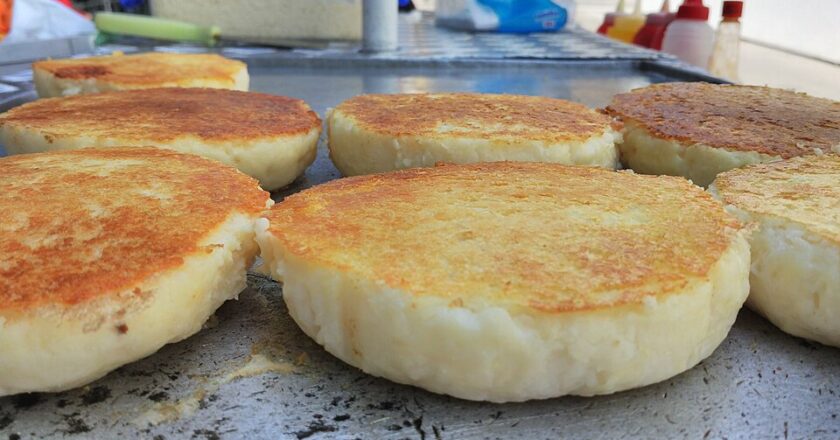
What is arepa called in English? The term "arepa" remains unchanged in English dictionaries. English speakers simply call it an "arepa." Many people ask about the English name for the arepa, a traditional corn-based food from northern South America. Linguists and culinary historians often analyze whether this staple possesses a direct translation in the English language. Understanding the Terminology Researchers at Oxford University Press note that loanwords enter the English lexicon when a specific food item lacks a direct cultural equivalent. Culinary reports from the Smithsonian Institution highlight how regional foods retain their native designations during globalization. People frequently attempt to describe the food using familiar English bakery terms. However, experts disco...
Is corn good for health?

How to make cornmeal porridge

Step-by-Step Preparation Method for corn meal porridge  Whisk the fine cornmeal with the cold water in a bowl until the mixture achieves a smooth, uniform liquid consistency. Heat the boiling water or milk in a heavy-bottomed saucepan over medium-low heat. Pour the cornmeal slurry slowly into the hot liquid while whisking constantly. Add the salt to the saucepan. Reduce the heat to low as the mixture begins to thicken. Cover the saucepan and simmer the porridge for 15 to 20 minutes, stirring every few minutes to prevent sticking. Stir in the sweetener, vanilla extract, and spices during the final five minutes of cooking. Remove the saucepan from the heat and let the porridge rest for five minutes before serving. Cornmeal remains a foundational food source acros...
Is corn good for health?

What is a substitute for cornmeal?

What is a substitute for cornmeal? Polenta: Polenta shares identical botanical origins with standard cornmeal. The primary difference lies in the grind, as polenta features a coarser texture. Semolina: Milled from durum wheat, semolina provides a similar golden hue and gritty consistency. Culinary tests show that semolina works exceptionally well for dusting pizza peels and coating bread dough. Cream of Wheat: This milled wheat product offers a fine particle structure suitable for quick breads when cooks lack traditional maize flour. Table showing details of Alternatives for Cornmeal Various pantry staples replicate the distinct qualities of ground maize. Bakers evaluate these options based on specific recipe requirements. Substitute Best Used For Texture Profile S...
Is corn good for health?

Is cornmeal supposed to be precooked?

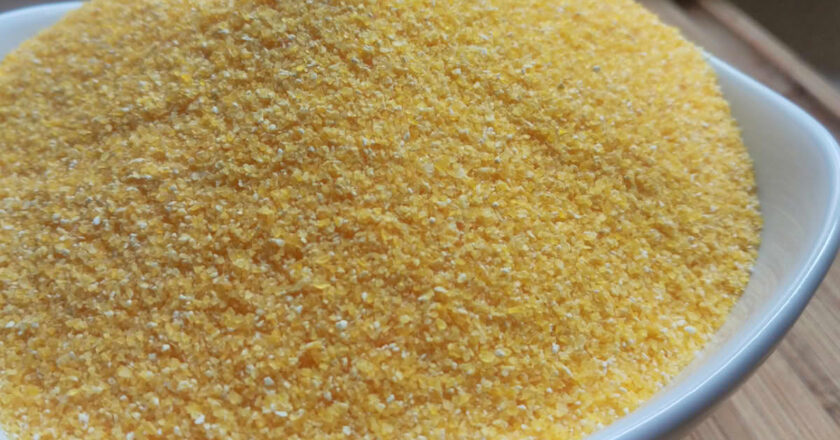
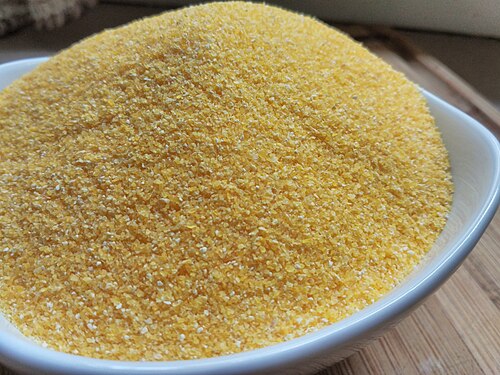
Is Cornmeal Supposed to Be Precooked? No. They can be sold raw. Most standard cornmeal sold in grocery stores is not precooked. Manufacturers typically grind raw dent or flint corn into varying textures without applying a heat treatment to gelatinize the starches. Understanding the distinction between raw and precooked cornmeal ensures optimal results in your kitchen. Standard vs. Precooked Cornmeal Food scientists at Kansas State University explain that raw cornmeal requires thermal processing—such as boiling, baking, or frying—to become digestible and palatable. Conversely, precooked varieties, commonly labeled as instant or polenta, undergo steam-cooking and dehydration before packaging. According to a 2023 market report by Grand View Research, global demand for convenience-ori...
Is corn good for health?

How to prepare steamed cornmeal

Preparing steamed cornmeal requires a balance of culinary technique and food science. Unlike boiling or baking, steaming utilizes gentle, consistent latent heat to hydrate coarse grains. This process gelatinizes starches evenly without agitating the delicate structure of the kernel. Recent culinary industry reports from institutions like The Culinary Institute of America highlight a growing consumer preference for traditional, texture-rich grains over heavily processed alternatives. Understanding the science behind hydration elevates this humble pantry staple into a sophisticated side dish or base for savory entrees. Nutritional Profile and Dietary Guidelines Cornmeal delivers essential complex carbohydrates, dietary fiber, and trace minerals. According to data published in the Journa...
Is corn good for health?

What is precooked cornmeal used for?

Primary Uses of Pre Cooked Corn Meal Chefs and home cooks utilize precooked cornmeal for the following: Arepas: The foundational griddle cake of Venezuela and Colombia. Hallacas and Tamales: Envelopes for seasoned meat and vegetable fillings. Polenta Alternatives: Quick-setting mashes that require minimal stirring. Breading Agents: Crispy coatings for fried poultry, fish, and vegetables. Thickening Agents: Stabilizers for soups, stews, and sauces. Case studies from culinary institutes demonstrate that substituting standard cornmeal with precooked varieties reduces preparation time by up to seventy percent in commercial kitchens. Precooked cornmeal represents a staple ingredient across global gastronomy, offering remarkable versatility in modern kitchens. Food scienc...
Is corn good for health?

How to make homemade cornmeal mix

Creating your own dry cornmeal mix guarantees culinary precision and nutritional control. Commercial mixes often contain sodium additives and preservatives. Blending your ingredients at home puts you in direct command of the quality. Food scientists at Cornell University note that milling whole grains at lower temperatures preserves essential fatty acids. Controlling your grain grind yields superior texture in cornbread, muffins, and crusts. Nutritional Profile and Dietary Guidelines Whole grain corn offers complex carbohydrates, dietary fiber, and essential minerals. According to data from the USDA FoodData Central, one cup of yellow cornmeal contains approximately 4 grams of dietary fiber and nearly 7 grams of plant-based protein. The Dietary Guidelines for Americans recommend th...
Is corn good for health?

What is cornmeal porridge made of?

Cornmeal porridge is a timeless culinary staple, celebrated across diverse cultures for its comforting texture and remarkable versatility. While regional variations exist—ranging from the Italian polenta to the Caribbean-style spiced breakfast bowls—the fundamental composition remains rooted in the transformation of humble corn into a nourishing, velvety dish. What it is in form At its most basic, cornmeal porridge is composed of dried corn that has been ground into a coarse or fine meal. This fundamental grain lends the dish its distinctive earthy flavor and vibrant golden hue. However, cornmeal by itself is merely the kinetic energy of the meal; it needs a liquid medium to unlock its full potential. Water is the usual base, but the incorporation of dairy—such as whole milk, evaporated ...
Is corn good for health?

Is cornmeal the same as semolina? The key differences

Home cooks frequently mistake cornmeal for semolina due to their similar golden hues and granular textures. However, these two ingredients stem from entirely different botanical families and serve distinct culinary purposes. Understanding their unique properties elevates your cooking and baking precision. Botanical Origins and Processing Cornmeal originates from maize (Zea mays), a New World cereal grain, whereas semolina derives from durum wheat (Triticum durum), a hard wheat variety native to the Mediterranean region. According to the USDA FoodData Central, milling processes further separate the two. Producers grind whole or degermed corn kernels to manufacture cornmeal. Conversely, industrial millers crush the endosperm of durum wheat to produce semolina. Nutritional Comparison D...
Today recipes today

What should I put in my salmon bowl?

Crafting the Perfect Salmon Bowl: A Guide to Balancing Nutrition and Flavor The salmon bowl has emerged as a cornerstone of modern, health-conscious dining. By combining the rich, heart-healthy fats of omega-3-packed salmon with fiber-rich grains and vibrant produce, you create a meal that serves both your palate and your physiological needs. Whether you are meal-prepping for the week or assembling a quick dinner, understanding the structural components of an exceptional bowl ensures a consistent, professional-grade result. 1. Select Your Foundation The base of your bowl dictates the texture and satiety of the dish. For optimal nutrition, prioritize complex carbohydrates. Brown or Forbidden Rice: These grains offer a nutty flavor profile and high fiber content. Quinoa: As a complete...