What are the new trends in today food recipes?

What are the new trends in today food recipes?

The Future of Flavor: Trends in Home Cooking

The culinary landscape evolves rapidly, shifting from traditional techniques toward innovation, sustainability, and global exploration. As home cooks seek to elevate their daily routines, they increasingly turn toward culinary trends that prioritize health, environmental responsibility, and bold, adventurous tastes. If you want to refine your kitchen skills and stay ahead of the curve, it is essential to understand the movements currently shaping the food industry.

The following is an analysis of the predominant food trends that are currently reshaping the practice of home cooking.

Budget friendly meals lead to savings

Beef stroganoff with veggies and-assorted spices

How to Make Beef Stroganoff Made with Leftover Steak

Introduction A classic beef stroganoff delivers comforting richness in every bite. When you repurpose leftover steak, you preserve flavor while reducing waste. This page guides you through an elevated, time‑efficient ...
/ Left over steak recipes

How to use up leftover steak. Transform surplus into a tasty dish.

You enjoyed a perfectly seared ribeye or a succulent filet mignon last night, but now you face the challenge of those remaining slices. Instead of letting high-quality protein go to ...
/ Left over steak recipes

1. Plant-Forward Gastronomy

Plant-based eating no longer centers solely on meat alternatives. Today’s home chefs embrace “plant-forward” recipes that celebrate vegetables, legumes, and grains as the stars of the plate. Rather than imitating animal products, this trend focuses on extracting maximum flavor from seasonal produce through expert roasting, fermenting, and charring techniques. By emphasizing nutrient-dense, locally sourced ingredients, consumers reduce their environmental footprint while discovering the versatility of global vegetarian cuisines, such as those found in Mediterranean and Middle Eastern cultures.

2. Functional Foods and “Food as Medicine”

Modern consumers view food as a critical component of wellness. Recipes that incorporate functional ingredients—foods that offer health benefits beyond basic nutrition—are gaining immense popularity. Ingredients like turmeric, ginger, adaptogenic mushrooms, and fermented foods such as kimchi and kefir now occupy a central role in everyday meal planning. Today’s recipes focus on gut health, immune support, and cognitive performance, turning the home kitchen into a hub for preventative healthcare.

The idea gains support

The idea of boosting health with nutrition is earning acceptance in both social and governmental circles. The U.S. Department of Health and Human Services estimates is of the opinion that the $5 trillion spending in health care each year would be substantially reduced if there were programs to actively promote health eating through the Omnibus Appropriations Bill. In perspective, the U.S. Department of Health and Human Services produced an elaborate publication titled “Food Is Medicine Landscape Summary” in which it emphasized the importance of nutrition to help prevent or treat disease. A related research established that almost 20 percent of heart disease, stroke, and diabetes costs are due to poor diet

Governmental intervention

In a Washington Post publication on August 15, 2022, a Writer Janet Lee, describes food as ‘prescriptions’ for a healthy life and emphasized that it is a cornerstone of better and longer life. She prescribes consumption of plant food especially fibers, legumes and nuts to reduce the incidence of many medical conditions. A contributor to the British Medical Journal, Sarah Downer, a Clinical Instructor at Harvard, is of a similar opinion and adds that minimally processed foods diminish the incidence of obesity. In a joint publication with with professional peers titled “Food is medicine: actions to integrate food and nutrition into healthcare” she highlights that whole, minimally processed, plant-rich diets are essential for good health.

Philanthropic effort

The Rockefeller Foundation, a Nonprofit Organizations, has committed $100 Million to further the integration of food as alternative medicine into the public health system. One of the most significant publications on this novel concept of diet for health emanates from Heidi M Blanck et al. Their joint work “A Food is Medicine approach to achieve nutrition security and improve health” was published by the National Library of Medicine on 8th February 2025. The paper has been highly acclaimed amongst both academic and professional medical landscape immensely insightful and authoritative.

Exotic recipes trend on online communities

What did “sandwich” mean? The Etymology and Evolution

Few culinary inventions hold a place in history as secure as the sandwich. While people have consumed food between layers of bread for centuries, the term itself carries a specific, ...
/ Egg Sandwich Recipe

Is it sandwhich or sandwich? The Guide to Correct Spelling

Have you ever paused mid-sentence while typing a menu, a grocery list, or a professional email, wondering if you should include an extra "h"? You are not alone. The spelling ...
/ Egg Sandwich Recipe

What are the 5 types of sandwiches?

The sandwich stands as a cornerstone of global culinary tradition. While often perceived as a simple meal, the architecture of a sandwich reveals a fascinating technical variety. Whether you seek ...
/ Egg Sandwich Recipe

Is Chinese steamed egg good?

Chinese steamed egg serves as a cornerstone of home-style Cantonese cuisine. This deceptively simple dish transforms basic pantry staples—eggs and water or broth—into a luxurious, custard-like delicacy. But is Chinese ...
/ Today food recipes

3. Global Fusion and Cross-Cultural Cuisines

The digital age has made culinary knowledge widely available. THs phenomenon has enabled home cooks to experiment with authentic international flavors more effortlessly than ever. We are currently witnessing a surge in “Global Fusion”. This terminology is  an emerging culinary lifestyle in which cooks merge traditions from different areas. The goal is to craft unique flavor profiles.

Consider the blending of Japanese miso with Mexican street corn. Or the incorporation of Thai curry pastes into traditional Italian pasta dishes. This adventurous method keeps home cooking vibrant. It also refutes the idea that high-quality, complex dishes necessitate professional culinary training.

4. Hyper-Sustainability and Waste Reduction

Sustainability has moved from a buzzword to a fundamental practice in the modern kitchen. Resourceful home cooks now prioritize “zero-waste” recipes, which utilize every part of an ingredient. From turning vegetable scraps into flavorful artisanal stocks to repurposing citrus peels and stale bread, the modern culinary ethos celebrates frugality and environmental stewardship. This shift not only lowers the grocery bill but also encourages creativity, forcing cooks to rethink common ingredients and avoid unnecessary waste.

According to the Food and Agricultural Organization of the United Nations, food waste costs the global economy an estimated $1 trillion annually. Related economic losses in the United States is over $310 billion. Researchers and university professors jointly agreed that discarded food costs financial loss and environmental tolls. Researchers from the Ohio State University found out that food waste costs the average person in the U.S. about $728 a year. Professor Katy Tapper of City St George’s University has added that she has identified 6 unique ways to reduce food waste and was hopeful that government would adopt the Finding.

Select seafood recipes for main and side dishes

What kind of fish is used for fish and chips?

What kind of fish is used for fish and chips? The Atlantic Cod is the most frequently utilized seafood in ...
/ Fish & Chips

How to cook authentic british fish and chips

Learn how to create authentic British fish and chips at home. From selecting the perfect cod or haddock to mastering ...
/ Fish & Chips

5. The Rise of “Small-Batch” and Artisanal Cooking

As the pace of life accelerates, many home cooks are returning to the meditative practice of small-batch cooking. Whether it involves fermenting a small jar of sauerkraut, baking a single loaf of sourdough bread, or creating custom spice blends from scratch, these activities provide a sense of accomplishment and improved control over ingredient quality. While convenient, pre-packaged meals often lack the depth of flavor produced by artisanal processes; therefore, many people are reclaiming the kitchen as a space for craftsmanship and patience.

Going organic with cereals

Is cornmeal the same as semolina? The key differences

Home cooks and professional chefs alike often encounter recipes that call for either cornmeal or semolina. While these two ingredients share a strikingly similar appearance—boasting golden hues and coarse, granular ...
/ Is corn good for health?

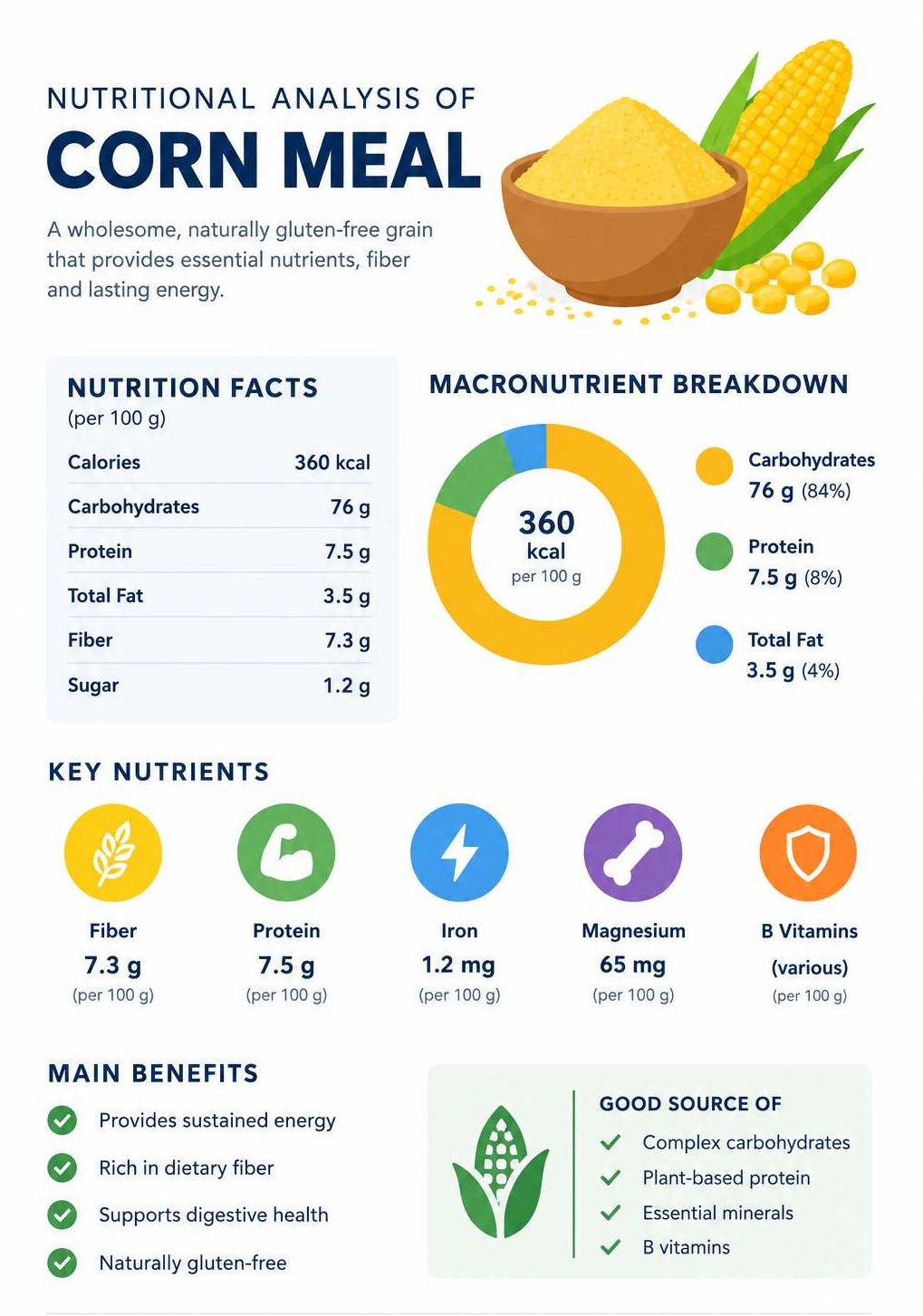
Is corn meal healthy to eat? A Nutritional Analysis

Corn meal serves as a staple ingredient in kitchens across the globe. From golden cornbread to crispy polenta, this pantry essential offers versatility and distinct flavor. However, health-conscious consumers often ...

6. The Digital Immersion: Influencer-Led Cooking

Social media platforms continue to dictate what lands on our dinner tables. Viral trends—ranging from sheet-pan gnocchi to whipped coffee—demonstrate the massive impact of digital communities on recipe development. Today’s home cooks often look to short-form video tutorials for visual guidance, favoring concise, high-energy instructions over traditional, lengthy cookbooks. This evolution ensures that recipes remain accessible, visually appealing, and highly shareable.

From aesthetic brunch spots to innovative cooking methods, influencers bridge the gap between food brands and dedicated audiences. They don’t just share meals; they craft experiences, showcase authenticity, and build trust that traditional advertising simply cannot match. By highlighting unique flavors and behind-the-scenes stories, creators inspire millions to broaden their palates and visit new destinations. Culinary personalities Carolina Gelen with social handle @carolinagelen use their personal thrift living to engender budget cooking among her women followers.

Why These Trends Matter

Staying informed about current culinary trends allows you to transform routine cooking into an engaging, educational experience. By adopting these practices, you not only improve the nutritional profile of your meals but also contribute to a broader movement that values sustainability, cultural appreciation, and creative expression.

Regardless of whether you opt to include additional fermented foods, explore fusion flavors, or enhance your zero-waste practices, the contemporary kitchen presents limitless possibilities for advancement. Adopt these innovations, explore new ingredients, and savor the experience of blending contemporary culinary trends into your household.

Making the most of the times

Are you ready to elevate your cooking? Explore our latest recipe collections and guides designed to bring these trends to your table. Join our community of food enthusiasts as we continue to explore the intersection of tradition and innovation in the world of gastronomy.