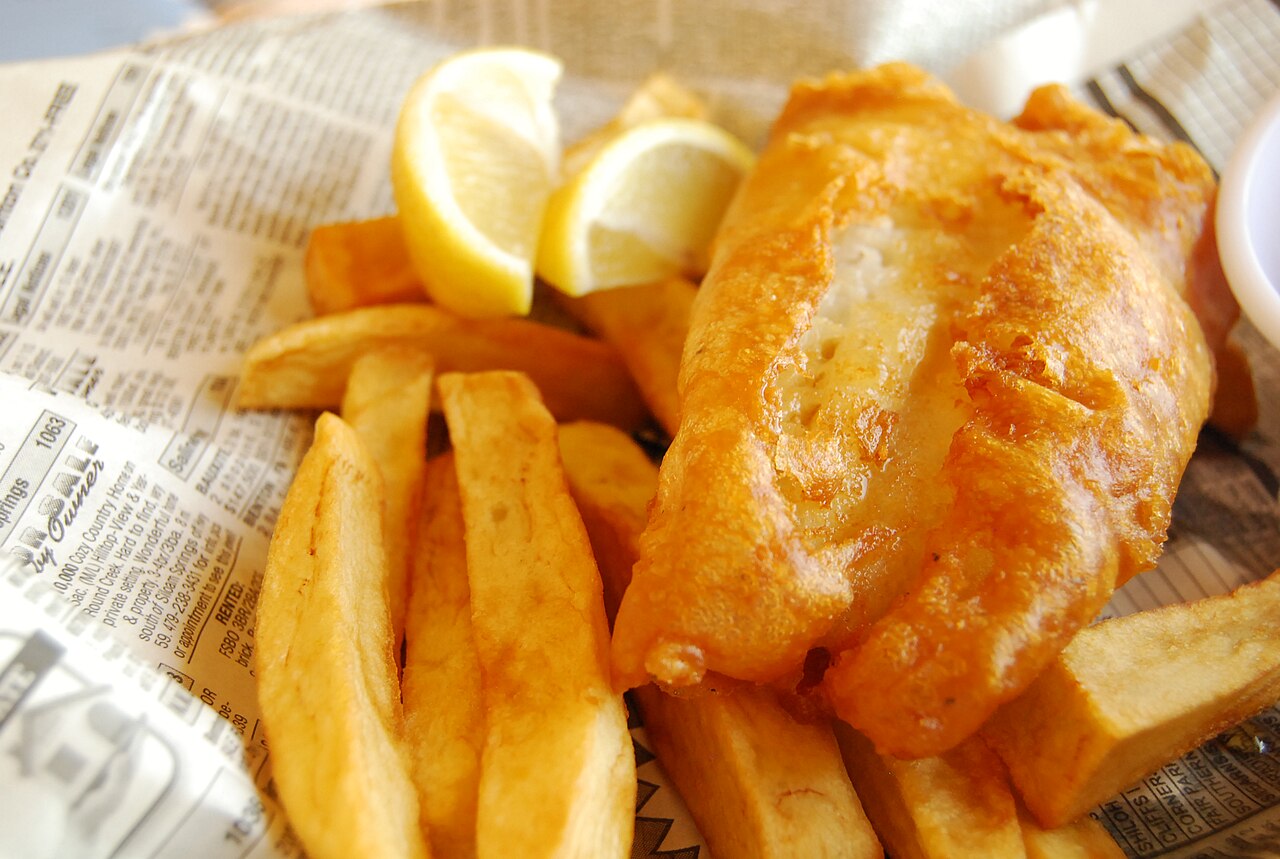

Fish & Chips

What kind of fish is used for fish and chips?
Fish & Chips

What kind of fish is used for fish and chips?

What kind of fish is used for fish and chips? The Atlantic Cod is the most frequently utilized seafood in the cooking of fish and chips. This species provides a mild, clean flavor and a large, succulent flake. Because its flesh is dense and moisture-rich, it holds up perfectly under a thick layer of batter. Cod also offers excellent nutritional value, providing a high-protein option that remains a favorite for purists seeking the classic British experience. Fish and chips stands as a culinary cornerstone, beloved across the globe for its satisfying crunch and tender, flaky interior. However, the quality of your meal depends entirely on the selection of the fish. Whether you are a home cook aiming for perfection or a culinary enthusiast curious about the trade, understanding which speci...
Fish & Chips

How to cook authentic british fish and chips

Learn how to create authentic British fish and chips at home. From selecting the perfect cod or haddock to mastering a light, airy batter and perfectly crisp chips, this complete guide covers ingredients, equipment, technique, and pro‑tips for restaurant‑quality results. 1. The Iconic British Fish and Chips at Home British fish and chips have been a culinary staple for more than a century, celebrated for its simple yet satisfying combination of flaky white fish, golden‑crisp batter, and thick‑cut chips. Whether you’re craving the seaside experience on a rainy London evening or looking to impress guests with a taste of the UK, this guide walks you through every stage of the process—no deep‑fryer required. Chef’s note: The secret to great fish and chips lies not only in fresh fish but a...
Fish & Chips

Prepare this delicious fish & chips for six for your weekend savor

Fish & chips recipes are one easy way to boost your nutrition with basic ingredients. Including it in your diet delivers essential nutrients that support overall well‑being. Rich in high‑quality protein, it supplies the building blocks your body needs for muscle maintenance and tissue repair. Omega‑3 fatty acids—particularly EPA and DHA—reduce inflammation, lower triglyceride levels, and promote healthy blood pressure, helping to guard against heart disease. Regular seafood consumption improves cognitive function; the brain absorbs DHA to enhance memory, focus, and mood stability. Vitamin D and selenium found in many varieties strengthen the immune system and support bone health. Moreover, fish’s low saturated‑fat content aids weight management while still delivering satiety. To max...