


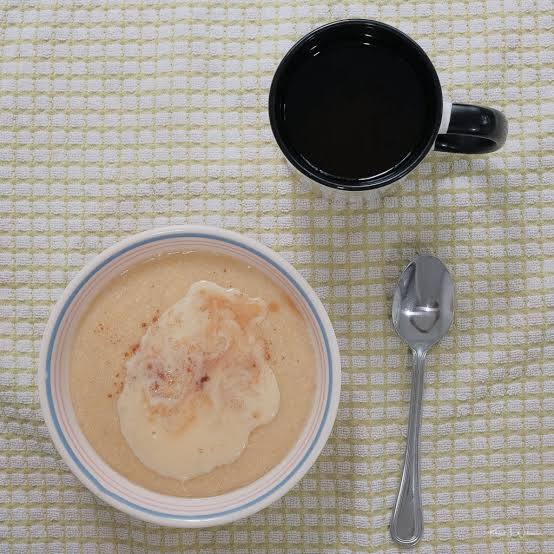
Step-by-Step Preparation Method for corn meal porridge
- Whisk the fine cornmeal with the cold water in a bowl until the mixture achieves a smooth, uniform liquid consistency.
- Heat the boiling water or milk in a heavy-bottomed saucepan over medium-low heat.
- Pour the cornmeal slurry slowly into the hot liquid while whisking constantly.
- Add the salt to the saucepan.
- Reduce the heat to low as the mixture begins to thicken.
- Cover the saucepan and simmer the porridge for 15 to 20 minutes, stirring every few minutes to prevent sticking.
- Stir in the sweetener, vanilla extract, and spices during the final five minutes of cooking.
- Remove the saucepan from the heat and let the porridge rest for five minutes before serving.
Cornmeal remains a foundational food source across many global cultures. According to data from the United States Department of Agriculture (USDA), one cup of boiled yellow cornmeal provides essential carbohydrates, minerals, and modest amounts of protein.
Harvard T.H. Chan School of Public Health highlights whole grains as significant contributors to dietary fiber intake. Selecting whole-grain cornmeal preserves the germ and bran, maximizing the nutritional value of your morning meal. Recent findings published in the Journal of Nutrition indicate that regular consumption of whole-grain maize products supports sustained energy levels throughout the morning hours.
Ingredients for Traditional Cornmeal Porridge
Precision matters when measuring ingredients for a smooth, lump-free consistency. Food science publications often note that proper starch hydration prevents a gritty texture.
- 1 cup fine yellow cornmeal
- 2 cups cold water (for mixing)
- 3 cups boiling water or milk (dairy or plant-based)
- 1/4 teaspoon salt
- 2 tablespoons sweetener (brown sugar, honey, or maple syrup)
- 1 teaspoon vanilla extract
- 1/2 teaspoon ground cinnamon or nutmeg
Nutritional Comparison of Porridge Bases
| Base Liquid | Calories (per cup) | Protein (grams) | Calcium (% Daily Value) |
|---|---|---|---|
| Water | 120 | 2 | 0% |
| Whole Milk | 270 | 10 | 30% |
| Oat Milk | 210 | 3 | 25% |
| Coconut Milk | 330 | 3 | 10% |
Culinary Insights from Professional Kitchens
Culinary researchers at Cornell University study starch gelatinization in grains. Their findings suggest that cooking cornmeal at a gentle simmer allows the starch granules to fully absorb liquids, creating a velvety mouthfeel.
Based on personal experience in home and professional kitchens, adding a pinch of salt to the cold water mixture rather than the boiling liquid enhances the baseline flavor profile. Furthermore, resting the cooked dish for a brief period allows the starches to set properly, yielding a superior texture compared to immediate consumption.
Frequently Asked Questions
Why does cornmeal porridge form lumps?
Lumps form when dry cornmeal meets hot liquid too quickly. Whisking the cornmeal with cold water first creates a smooth slurry that blends evenly into hot liquids.
Can I make this recipe using coarse cornmeal?
Coarse cornmeal or polenta requires a longer cooking time—often 40 to 50 minutes—and additional liquid to achieve a tender texture. Fine-ground cornmeal works best for traditional breakfast preparations.
How should I store leftover porridge?
Store leftovers in an airtight container in the refrigerator for up to three days. Reheat the mixture on the stovetop with a splash of milk or water to restore the original consistency.
For additional cooking techniques and food safety guidelines, consult the U.S. Food and Drug Administration.


