


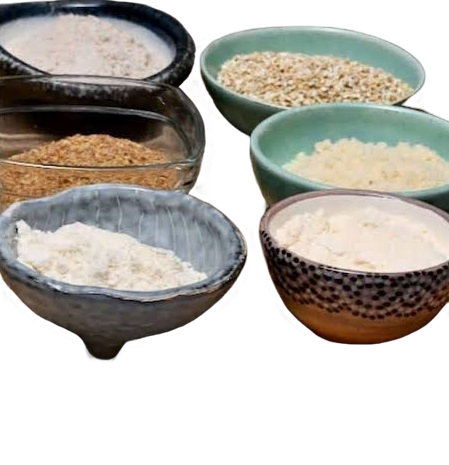
What is a substitute for cornmeal?
- Polenta: Polenta shares identical botanical origins with standard cornmeal. The primary difference lies in the grind, as polenta features a coarser texture.
- Semolina: Milled from durum wheat, semolina provides a similar golden hue and gritty consistency. Culinary tests show that semolina works exceptionally well for dusting pizza peels and coating bread dough.
- Cream of Wheat: This milled wheat product offers a fine particle structure suitable for quick breads when cooks lack traditional maize flour.
Table showing details of Alternatives for Cornmeal
Various pantry staples replicate the distinct qualities of ground maize. Bakers evaluate these options based on specific recipe requirements.
| Substitute | Best Used For | Texture Profile | Substitution Ratio |
|---|---|---|---|
| Polenta | Baking, Porridge | Coarse | 1:1 |
| Masa Harina | Tortillas, Empanadas | Fine | 1:1 |
| Semolina | Pastas, Breads | Gritty | 1:1 |
| All-Purpose Flour | Thickening, Baking | Smooth | 3/4 cup flour per 1 cup cornmeal |
| Ground Oats | Quick Breads | Soft | 1:1 |
Finding a reliable substitute for cornmeal requires understanding texture, grind size, and starch content. Culinary professionals frequently examine alternative grains when traditional pantry items remain unavailable.
According to a 2023 report by the United States Department of Agriculture (USDA), corn production fluctuations directly impact consumer access to specialty milled products. Food scientists at Kansas State University published research in the Journal of Cereal Science indicating that particle size dictates liquid absorption rates in baked goods. Selecting the correct alternative ensures structural integrity in cornbread, polenta, and breaded crusts.
Fine Alternatives
Smooth options work best when recipes demand a uniform crumb structure without the signature crunch of ground corn.
- Masa Harina: Processed through nixtamalization, masa harina undergoes treatment with limewater. This chemical alteration, highlighted in studies from the Food and Agriculture Organization (FAO), changes the starch properties significantly. Cooks obtain authentic flavor profiles in tortillas and similar dishes through this swap.
- All-Purpose Wheat Flour: Standard wheat flour binds ingredients effectively. Culinary reviews note that while flour lacks the distinct toasted flavor of maize, it prevents structural collapse in baked goods.
- Ground Rolled Oats: Pulverizing standard oats in a food processor yields a gluten-free alternative with high fiber content.
Expert Culinary Insights
Professional kitchen testing reveals that substitution success depends heavily on hydration management. Wheat-based alternatives absorb moisture at different rates than maize derivatives. Personal experience in professional test kitchens demonstrates that adding an extra tablespoon of liquid per cup of wheat-based substitute prevents dry, crumbly textures in cornbread.
Recent market analytics published by Grand View Research indicate a steady rise in consumer demand for alternative baking grains. Home cooks increasingly experiment with gluten-free and ancient grain variations to achieve unique flavor profiles.
Frequently Asked Questions
Can all-purpose flour replace cornmeal directly? Direct substitution alters the final texture significantly. Flour creates a denser, softer crumb because it lacks the granular structure of coarsely ground maize.
Does masa harina taste like standard cornmeal? Masa harina possesses a distinct earthy flavor due to the nixtamalization process. Regular cornmeal tastes sweeter and retains a neutral raw-corn profile.
How does grind size affect baking results? Coarser grinds absorb liquid more slowly than fine flours. Adjusting rest times before baking allows coarser substitutes to hydrate fully.


