


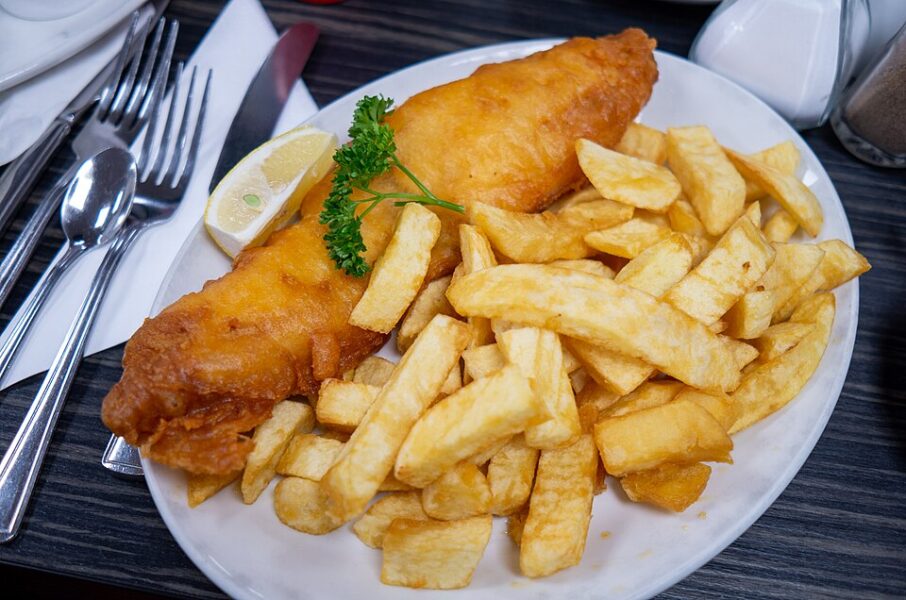
Learn how to create authentic British fish and chips at home. From selecting the perfect cod or haddock to mastering a light, airy batter and perfectly crisp chips, this complete guide covers ingredients, equipment, technique, and pro‑tips for restaurant‑quality results.
1. The Iconic British Fish and Chips at Home
British fish and chips have been a culinary staple for more than a century, celebrated for its simple yet satisfying combination of flaky white fish, golden‑crisp batter, and thick‑cut chips. Whether you’re craving the seaside experience on a rainy London evening or looking to impress guests with a taste of the UK, this guide walks you through every stage of the process—no deep‑fryer required.
Chef’s note: The secret to great fish and chips lies not only in fresh fish but also in a batter that stays light and a chip‑cut that holds its interior fluffy while the
exterior turns buttery‑gold.
2. Authentic Ingredients
Category Recommended Choice Why It Matters
Fish Fresh cod, haddock, or pollock (white, flaky, low‑fat) – 150‑200 g per serving Firm flesh creates a sturdy coating and holds the batter.
Flour Plain (all‑purpose) flour, 120 g Provides structure without heaviness.
Starch Cornflour or rice flour, 30 g Adds crispness and prevents sogginess.
Leavening Baking powder, ½ tsp Creates a light, airy batter.
Cold Liquid Sparkling water (or club soda), 180‑200 ml or cold milk + a splash of beer for extra flavor Carbonation introduces bubbles that expand during frying, delivering a delicate texture.
Seasonings Sea salt, freshly ground black pepper, a pinch of malt vinegar (optional) Enhances the natural taste of the fish.
Potatoes Maris Piper, King Edward, or Russet – 300 g per serving High‑starch varieties give a fluffy interior and a crisp skin.
Oil High‑smoke‑point oil – sunflower, canola, or refined peanut oil Must sustain 180 °C (350 °F) without breaking down.
3. Essential Equipment
Heavy‑bottomed deep‑fat fryer or a large, thick‑walled saucepan (minimum 3 L capacity)
Thermometer (instant‑read) – crucial for maintaining 180 °C (350 °F)
Wire rack or cooling tray lined with parchment
Slotted spoon or spider strainer
Mandoline or sharp chef’s knife for uniform chip cuts
Large mixing bowl, whisk, and measuring jug
4. Preparing the Chips – The Foundation of Great Fish & Chips
Cut the potatoes into 1‑inch (2.5 cm) thick chips. Uniform size ensures even cooking.
Rinse under cold water to remove surface starch, then soak in cold water for 30 minutes.
Dry thoroughly with a clean kitchen towel – moisture is the enemy of crispness.
Par‑fry (optional but recommended):
Heat oil to 150 °C (300 °F).
Fry chips for 3‑4 min until the exterior is just set but not coloured.
Remove, drain on a rack, and let rest for 5 minutes.
Final fry later (see Section 6) to achieve that golden‑brown finish.
5. Crafting the Batter – Light, Crispy, and Never Greasy
Combine dry ingredients – 120 g plain flour, 30 g cornflour, ½ tsp baking powder, and a pinch of salt. Whisk to distribute evenly.
Create a well in the centre and slowly pour in 180‑200 ml sparkling water (or a 150 ml milk + 50 ml beer blend).
Whisk briskly until just combined; a few small lumps are acceptable. Over‑mixing activates gluten and leads to a heavy coat.
Rest the batter for 10 minutes in the refrigerator. The cold rest stabilises the batter and preserves its airy texture.
Tip: Keep the batter chilled until use. A cold batter hitting hot oil produces immediate steam, which lifts the coating and yields a crisp crust.
6. Frying the Fish – Step‑by‑Step
1 Heat oil to 180 °C (350 °F). Use a thermometer; a drop of batter should sizzle and rise to the surface within 2 seconds.
2 Pat the fish fillets dry with paper towels. Lightly season with salt and pepper.
3 Dip each fillet into the chilled batter, allowing excess to drip off.
4 Lower the fillet into the oil using a slotted spoon; do not overcrowd – 2‑3 pieces per batch is ideal.
5 Fry for 4‑5 minutes until the batter is deep golden and the fish is opaque throughout (internal temperature 63 °C / 145 °F).
6 Transfer to a wire rack to drain – do not place on paper towels, which traps steam and makes the crust soggy.
7. The Final Fry – Perfectly Crisp Chips
Increase oil temperature to 190 °C (375 °F).
Return the par‑fried chips to the oil in a single layer.
Fry for 2‑3 minutes until the exterior is golden‑brown and the interior is fluffy.
Drain on the same wire rack, then season immediately with sea salt (and a splash of malt vinegar if desired).
8. Assembling & Serving
Place a generous pile of chips on a serving plate or traditional newspaper‑style wrapping.
Lay the battered fish on top or beside the chips.
Offer traditional accompaniments: malt vinegar, lemon wedges, tartar sauce, and mushy peas.
Serve hot—ideally within 5 minutes of removal from the oil for optimum texture.
9. Pro Tips & Common Mistakes
Issue Cause Solution
Soggy batter Oil not hot enough; batter too warm Verify oil temperature with a thermometer; keep batter chilled.
Fish falls apart Over‑handling; wet fish surface Pat fish dry, handle gently, and let batter set for a few seconds before frying.
Greasy chips Oil temperature too low or overcrowding Maintain a steady 190 °C; fry in small batches.
Stale flavour Using frozen fish or potatoes Choose fresh, high‑quality fish and potatoes; avoid pre‑frozen chips.
Batter sticks to the pot Not using a deep enough vessel Use a deep‑fat fryer or a heavy saucepan with at least 3 L capacity.
Chef’s Secret: Add a quarter teaspoon of paprika to the batter for a subtle smoky note and a pleasant colour contrast.
10. Frequently Asked Questions
Q1. Can I use a beer batter instead of sparkling water?
Yes. A 25 % beer to 75 % sparkling water mix adds a malty depth, but keep the batter chilled to avoid a heavy coat.
Q2. What’s the best oil for health‑conscious cooks?
High‑oleic sunflower oil offers a high smoke point and a favourable fatty‑acid profile compared with traditional vegetable oil.
Q3. How do I keep the fish warm while the chips finish?
Place the fried fish in a low oven (≈ 80 °C / 175 °F) on a wire rack. This keeps the crust crisp without over‑cooking.
Q4. Is it possible to make a gluten‑free version?
Absolutely. Substitute the plain flour with a 1:1 gluten‑free all‑purpose blend and keep the cornflour ratio the same.
Q5. How long can leftovers be stored?
Fish and chips are best enjoyed fresh. If needed, store fish and chips separately in airtight containers in the refrigerator for up to 24 hours. Re‑crisp in a hot oven (200 °C/400 °F) for 5‑7 minutes.
Summary
Fish and chips combine wholesome ingredients with balanced nutrition, delivering a satisfying meal for any palate. The battered fish provides high‑quality protein that supports muscle maintenance, while the crisp potatoes supply complex carbohydrates for steady energy. Freshly fried fish retains essential omega‑3 fatty acids, which contribute to heart health and cognitive function. A modest portion of tartar sauce or a squeeze of lemon adds a dose of vitamin C and antioxidants, enhancing overall nutrient intake.
Moreover, the meal’s comforting texture and flavor profile encourage mindful eating, helping diners enjoy each bite without overindulgence. Because the dish pairs well with a side of vegetables or a simple salad, you can easily customize it to meet dietary preferences. In short, fish and chips deliver a harmonious blend of protein, carbs, and healthy fats, making them a practical, enjoyable choice for everyday dining.


