


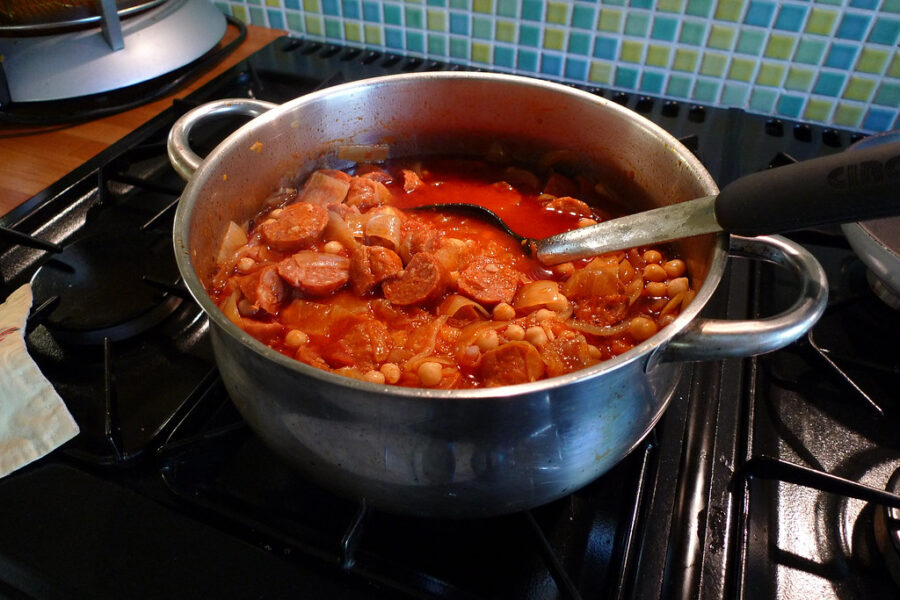
Understanding the Difference Between a Casserole and a Stew
When home cooks and culinary professionals discuss one‑pot food, they frequently mention casseroles and stews. Although both dishes share a comforting, hearty reputation, they rely on distinct techniques, vessels, and ingredient structures. Recognizing these differences today helps you select the right method for any occasion and prevents confusion in recipe selection.
Core Definition
Casserole – A casserole layers ingredients—typically a protein, vegetables, a starch, and a sauce—inside a deep, oven‑safe dish. The dish cooks slowly under indirect heat, allowing flavors to meld while a crust forms on top, often from cheese, breadcrumbs, or a creamy topping.
Stew – A stew immerses bite‑size pieces of meat, poultry, or legumes in a seasoned liquid that simmers on the stovetop (or in a slow‑cooker). The liquid remains a dominant component, creating a thick, spoon‑friendly broth that intensifies as the ingredients release their juices.
Cooking Vessel and Heat Source
Aspect Casserole Stew
Typical vessel Deep, glazed or ceramic baking dish; sometimes a Dutch oven used in the oven Heavy‑bottomed pot, Dutch oven, or slow‑cooker placed on the stovetop or low oven heat
Primary heat source Dry, radiant heat from an oven (often 325 °F–375 °F) Moist heat from simmering liquid, usually on a stovetop burner or low oven setting
Surface finish Develops a browned or crisp topping Maintains a uniform, glossy surface without a crust
Ingredient Structure
Layering vs. Submersion
Casseroles arrange components in distinct layers. You might place a bed of sliced potatoes, top it with seasoned chicken, drizzle a cream‑based sauce, and finish with shredded cheese. Stews, by contrast, submerge every component in a common broth, ensuring each bite receives the same depth of flavor.
Starch Placement
Casseroles often incorporate a starch—such as pasta, rice, or sliced potatoes—either at the base or mixed throughout. Stews typically treat starches as an optional thickener (e.g., adding flour or cornstarch) or serve them on the side.
Sauce Consistency
Casserole sauces start thicker, resembling a gravy or custard, and they set further as the dish bakes. Stew liquids begin thinner, then reduce through evaporation, resulting in a velvety broth that clings to each morsel.
Flavor Development
Casserole: The oven’s dry heat caramelizes the topping and intensifies the sauce’s richness. The slow bake allows flavors to fuse, but the dish does not rely on continuous stirring.
Stew: Simmering encourages constant circulation of flavors. Frequent stirring, skimming of foam, and occasional reduction adjust the stew’s depth and clarity.
Presentation and Serving
Casseroles often arrive at the table as a single, baked slab that guests portion onto plates. The visible crust signals the dish’s baked nature and invites diners to enjoy a crunchy contrast. Stews present themselves in bowls, with steam rising from the aromatic broth. Guests spoon the liquid and solids together, appreciating the dish’s comforting, soupy quality.
Cultural Context
Casseroles gained popularity in North America after World War II, when convenience foods and glass‑top ovens made one‑pan baking practical for families. Classic examples include tuna noodle casserole and green bean casserole. Stews trace their roots to ancient hearth cooking; dishes such as French boeuf bourguignon, Moroccan tagine, and Mexican pozole illustrate how cultures worldwide embraced slow simmering to tenderize tougher cuts of meat and extract maximum flavor.
Choosing the Right Dish
Opt for a casserole when you desire a set, sliceable entrée with a golden topping and minimal stovetop supervision.
Choose a stew when you crave a broth‑rich, spoonable meal that showcases tender, melt‑in‑your‑mouth proteins and vegetables.
Both techniques celebrate the art of comfort cooking. By understanding their distinct vessels, heat sources, and ingredient arrangements, you can confidently decide which method best fits your menu, schedule, and taste preferences.


