


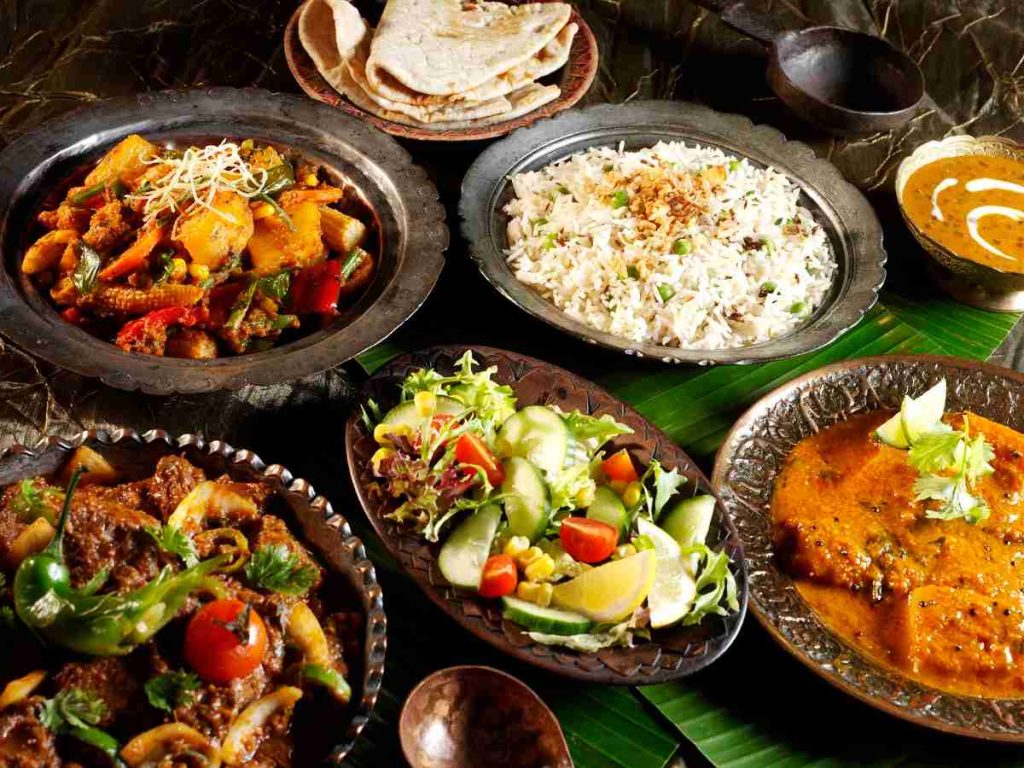
Cultural foods represent far more than mere sustenance; they are intricate tapestries woven with threads of history, identity, and shared human experience. These culinary traditions encapsulate a community’s values, rituals, and the very essence of its heritage, often evolving over centuries to reflect geographical availability, historical events, and social customs. Exploring a selection of these dishes reveals the profound connection between food and culture worldwide.
ASIA CULINARY CUSTOMS
The concept of cultural food is vividly illustrated by items such as sushi from Japan. This delicate preparation of vinegared rice combined with seafood and vegetables is an art form, embodying principles of precision, balance, and aesthetic appeal. Similarly, kimchi from Korea, a fermented vegetable dish, serves as a national staple. Its preparation, often a communal event known as “kimjang,” reinforces family bonds and cultural continuity, while its distinctive spicy and sour profile is an integral part of nearly every Korean meal. From India, the vast array of regional curries showcases an incredible diversity of spices, cooking techniques, and ingredients, each telling a story of local produce and historical exchange.

EUROPEAN FOOD CULTURE
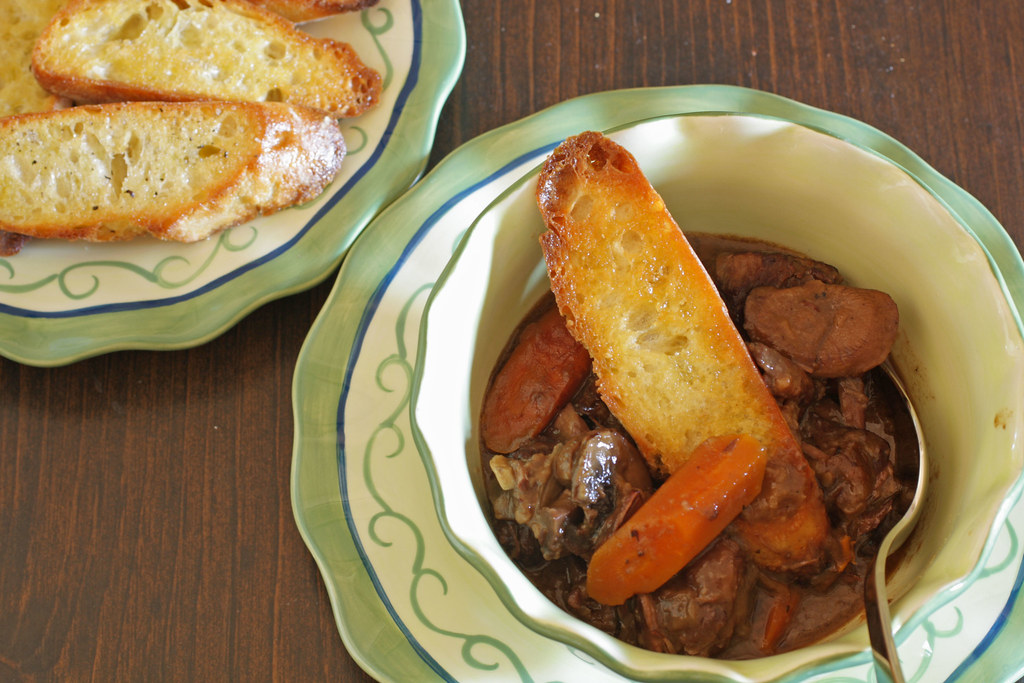
Moving to Europe and the Americas, pasta and pizza from Italy are globally recognized cultural ambassadors. Originating from humble beginnings, these dishes have become synonymous with Italian warmth, family gatherings, and the joy of simple, high-quality ingredients. Across the Atlantic, tacos and mole from Mexico reflect a rich indigenous heritage. Tacos, versatile corn tortillas filled with various ingredients, embody everyday Mexican cuisine, while mole, a complex sauce with dozens of ingredients, often signifies special occasions and elaborate culinary traditions. Canada’s poutine, a hearty dish of french fries, cheese curds, and gravy, has evolved from a regional comfort food to a symbol of national culinary identity.
AFRICAN TRADITIONAL DELICACIES
Further examples highlight this global phenomenon. In West Africa, Jollof Rice is a beloved one-pot dish, central to celebrations and family meals, sparking friendly rivalries among nations over who prepares it best. From the Middle East, hummus, a creamy dip made from chickpeas and tahini, represents ancient culinary traditions, offering a versatile and nutritious staple deeply embedded in the region’s shared culinary landscape.
THE ULTIMATE SCENARIO
Cultural foods are living artifacts that chronicle human history, migration, innovation, and community. They are not static but continually adapt, yet their core essence remains a powerful reminder of where societies have come from and what traditions they hold dear. To partake in a cultural food is often to experience a deeper connection to a people and their story.


