


STATEMENT OF THE PROBLEM
In sub-Saharan Africa, high rates of undernutrition and micronutrient deficiencies in rural regions coexist with rising rates of overnutrition. Food insecurity today on the continent is mostly caused by climate change. In 2018, 237 million people in sub-Saharan Africa were undernourished.
DEPENDENCY
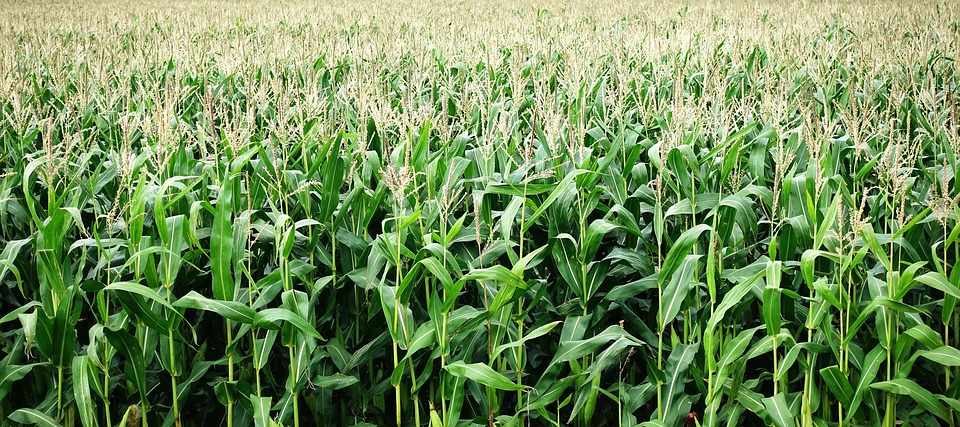
For national food security, a lot of nations rely solely on the production of one crop. One of the most common crops in sub-Saharan Africa, maize accounts for a sizable portion of the region’s total harvested land, particularly in Southern and Eastern Africa. As a result, a significant portion of food consumption is derived from staple crops like maize.


HOUSEHOLD NUTRITION
Increased nutritional diversity for direct home consumption is achieved through on-farm diversification. Finding the ideal amount of food variety is crucial for today smallholder incomes, though, as the benefits of diversification on farm income decrease beyond that point. The food environment drives the need for nutrient-dense food and the benefits that follow. Improving nutrition in Africa requires increasing knowledge, educating people about nutrition, and providing easy access to wholesome food.
THE ROLE OF INPUTS
In addition to designing agricultural input support programs that enable the acquisition of a wider range of inputs and services, governments should reconsider revising input support subsidies. They should also consider limiting their direct market interventions by selling and buying staple crops. Interventions by the government should be limited to preserving strategic reserves.
RELIANCE ON PRIMARY CROP
In Sub-Saharan Africa, agriculture continues to be the backbone of national economies, supporting lives in both rural and urban areas and giving most households access to both food and income. Sub-Saharan Africa has seen strong agricultural expansion recently, which has helped to lower poverty rates and improve nutrition results.
In most African countries south of the Sahara, food insecurity and malnutrition remain serious public health concerns despite some relative progress. For national food security, many nations continue to rely heavily on the production of a single crop.
OVER RELIANCE
Sub-Saharan African farmers are susceptible to weather-related shocks and hazards as well as market risks. Their resilience and, thus, their ability to manage and adjust to these risks are impacted by decisions on whether to specialize or diversify their production.
The dangers associated with the market and climate for smallholders in Sub-Saharan Africa (SSA) are exacerbated by forecasts that crop nutrient content and crop area suitability could significantly decline with rising average temperatures. .
ACHIEVEMENT
Achieving nutrition security requires crop diversity because relying solely on one food crop carries significant risks today. According to a recent study published in Nature Food, in order to attain food security by the middle of the century, Sub-Saharan Africa needs to vary its cropping patterns.