

The key differences
There are significant differences in the environmental performance of producers worldwide. Products might be blended again in intricate production processes and then exported again, which emphasizes how crucial it is to comprehend trade flows and companies’ environmental performance at various points in these processes.
However, food supply chains are also dynamic since businesses are always looking for new suppliers or consumers that can provide them better financial prospects. This includes responding to changes in the market or in regulation.
Significance of impact
The interpretation of facts regarding environmental impacts along food supply networks today is significantly impacted by the diversity and dynamism of food supply chains. Averages and aggregates might not be indicative of particular goods or producers, even though they might be helpful in some situations.
If the necessary information can be found in an affordable and dependable manner, then a focused strategy—which concentrates on the manufacturers and products with the greatest potential effects based on detailed data—or an approach that measures actual consequences could be successful.

Measurement for effectiveness
However, historical data may not fully reflect system-wide effects as producers and consumers adjust their behavior, or it may underestimate the potential for players along the food supply chain to improve their environmental impacts.
One implication of this is that dynamic responses in food supply chains, such as through shifts in international trade flows, may need to be considered in ex ante estimates of the anticipated effects of policy interventions. Although such approaches do exist, they are less common—partly because they necessitate numerous additional assumptions—as demonstrated in this work.
Summary
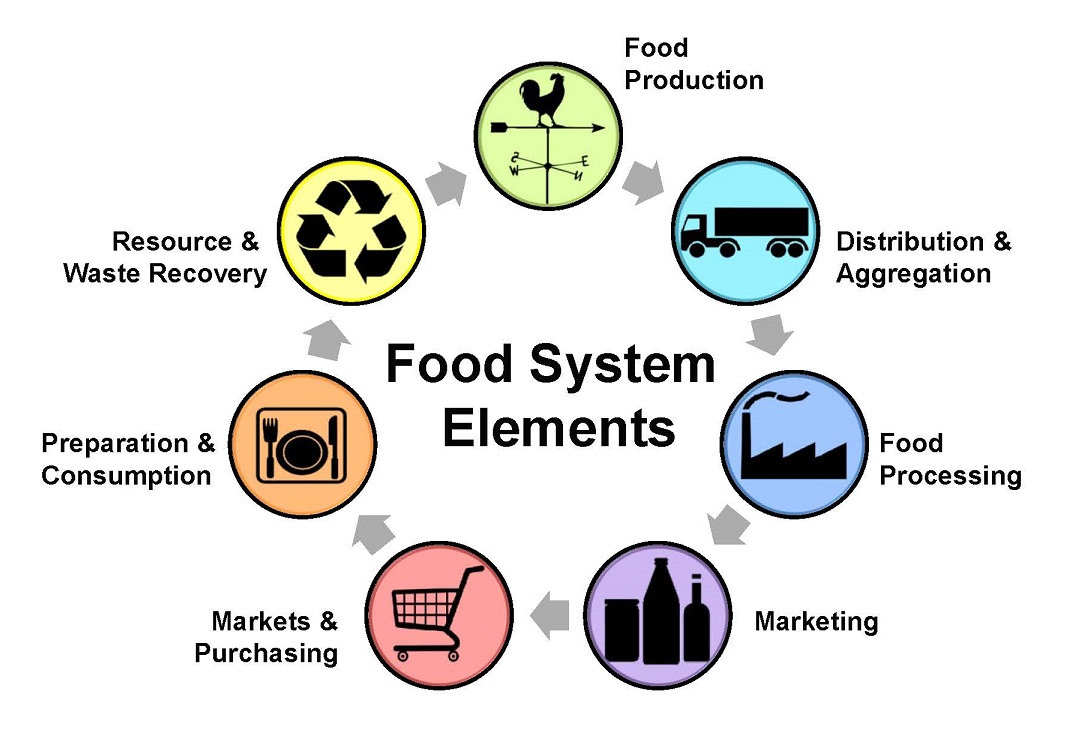
You may start to appreciate the significance of the food supply chain once you know what it is. Producing food-safe goods that satisfy customer demand for premium meals requires a strong food supply chain. For instance, the product buyers in the retail and hospitality sectors want to buy premium food from the supplier at a discount so they can maintain a profit margin and provide competitive pricing.
A well-managed food supply today chain is essential to satisfying consumer demand for premium food products and will also assist prevent issues from developing and leading to losses later on.