

Today, many people have their food outside the home. as an operator of such a facility, there are some things you should not do as they tend to turn people away from your place. We look at the majority of these things.
HOLDING THE RIM OF DRINKING GLASS
Clients don’t want anyone else to touch the top half of their glass, even though restaurant staff members routinely wash their hands before work. They should be the only ones handling the top part, which is where they will place their mouths. A consumer may be able to return a drink just by leaving their fingerprints on the glass’s rim.
Managers should tell staff members not to touch the top half of every drink they offer in order to assist avoid this embarrassing situation.
CASUAL SALUTATIONS
Employees at restaurants should be amiable and take on the role of “host.” Even though it might seem apparent, not all restaurant greeters are aware that welcoming and making guests feel at home is a component of their job description .Being the first person a guest encounters upon entering the restaurant, the host or hostess greatly influences their initial opinion of the establishment.
UNKEMPT LOOK
A company’s image is badly reflected by disheveled appearance and bar stamps left on waiters’ hands from the previous evening. A restaurant’s personnel should represent the brand, which should be centered around a story. Staff members’ personal appearances have a greater influence on guests’ perceptions of the establishment than their uniforms when they are dressed carelessly.
Make sure the individuals you hire are in line with the intended message and brand image to help prevent such disparities. Additionally, make sure that all requirements are met, such as having a well-made uniform and a strict dress code that is adhered to.
OVERBEARING SCENTS
It is the food that should smell inviting, not the server. Waiters shouldn’t be serving meals while sporting half a bottle of overpowering cologne, just as it wouldn’t make sense to arrange aromatic lilies in the middle of the table. Since taste and smell are both the consequence of observing chemicals in the air, they are closely related to one another when it comes to food.
People frequently employ this relationship, which is why they stop to sniff a glass of wine while eating, or cover their nostrils when something tastes awful. Strong perfume or cologne worn by a server may actually alter how customers taste the food at your restaurant.
Research shows that tone of voice accounts for 38% of an individual’s initial impression, while non-verbal cues account for 93% of an individual’s total assessment of another person. Therefore, hosts should ensure that they are standing erect, grinning, and extending a personal greeting to every guest. Future guests may be turned off by hosts who appear disinterested or preoccupied and behave as though they are bothering them.
TAKING AWAY MEALS BEFORE END OF MEAL
The meal and conversation are disrupted when the waiter takes the diner’s drink away from the table to refill it instead of doing it at the table. In essence, removing a diner’s glass from the table ends their dinner. Small things like this might annoy and distract diners to the point where they may label an otherwise excellent meal as poor. Additionally, servers ought to offer water to patrons as soon as they are seated and not serve other beverages before water.

FRATERNIZATION
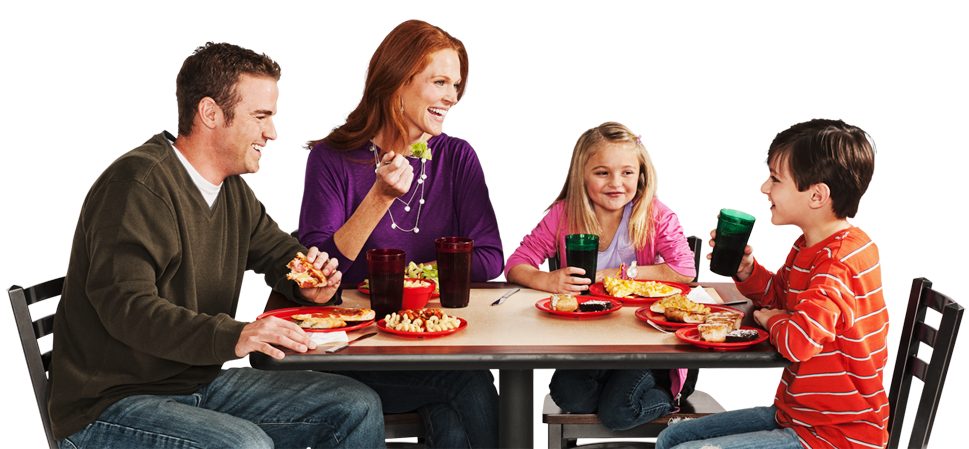
Disrespectful and too friendly names are frequently used by servers. Serving food in a restaurant is a business transaction, not a chance for friendship to blossom, thus wait staff should be kind, courteous, and professional. Team members should put clients at ease, but they shouldn’t be overly familiar or pleasant.
It’s impolite and off-putting to refer to guests by nicknames or in extremely informal ways. Additionally, servers should stand or kneel at the table’s edge if they are having trouble hearing. Another overly familiar and intrusive gesture that is virtually never appreciated is sitting down with customers.
GETTING PERSONAL
Serving as a restaurant’s sales force, servers who show distaste for a certain cuisine or who are ignorant of it themselves reflect poorly on the establishment as a whole. Although customers can learn about the cuisine from the menu, they frequently turn to their waiter for guidance and personal attention. This makes sense because it makes natural that the waiters would be familiar with the cuisine.
There is a problem if a salesperson tells customers that they don’t like a product. In a similar vein, servers cannot effectively offer cuisine that they have never personally tasted. Ensure servers have tasted a variety of menu items and try new ones on a frequent basis. Instead of pointing out menu items they dislike, ask wait staff to recommend popular dishes or those they do like.
DULL GOODBYES
Allowing patrons to depart the restaurant without extending a sincere thank-you from the employee who welcomed them or from someone else entirely is a grave error. Not only do successful restaurants offer delicious food today, but they also offer exceptional hospitality. If a customer feels valued and welcomed, they are far more likely to come back to the restaurant.
It is imperative that a staff member who did not receive a gratuity from the customer extend gratitude to them as they depart. When the waiter or waitress is thanking the customer for the tip as much as the visit, the interaction is perceived more as a financial transaction.