


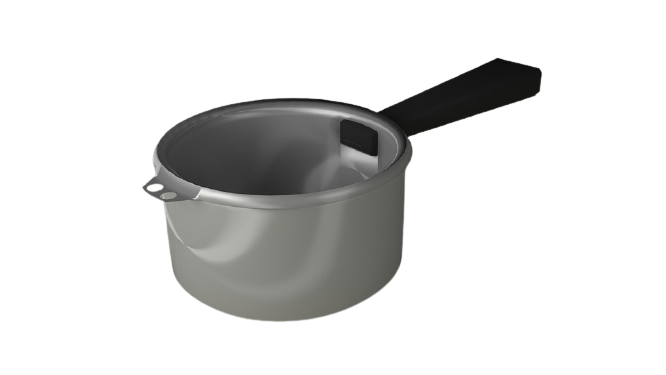
Selecting the correct cookware involves balancing thermal dynamics, metallurgy, and culinary technique. Modern kitchens demand equipment that optimizes heat transfer while maintaining safety and durability.
According to a recent report by the Food Safety and Inspection Service, cookware composition directly impacts food safety and nutrient retention. Cooks increasingly evaluate materials like stainless steel, cast iron, and anodized aluminum before executing recipes.
Material Science in Modern Cookware
The scientific community notes that copper offers superior thermal conductivity, whereas stainless steel provides structural integrity and corrosion resistance. Recent industry news from materials engineering journals highlights a rising consumer preference for multi-clad stainless steel sets. These sets combine aluminum cores with stainless steel exteriors to maximize heat distribution.
| Material Type | Thermal Conductivity | Durability | Best Application |
|---|---|---|---|
| Copper | Excellent | Moderate | Sautéing, Sauce Making |
| Cast Iron | Low (High Retention) | Exceptional | Searing, Baking |
| Anodized Aluminum | High | High | General Cooking |
| Multi-Clad Stainless Steel | High | Exceptional | Versatile Daily Use |
Nutritional Impact and Dietary Execution
Cookware selection influences the nutritional profile of prepared meals. The USDA supports culinary practices that preserve micronutrients through efficient thermal control.
When preparing meals aligned with the Dietary Guidelines for Americans, utilizing heavy-bottomed pots prevents localized overheating. Localized overheating degrades delicate vitamins in vegetables and lean proteins.
Key Considerations for Your Kitchen
- Heat Distribution: Multi-ply construction eliminates hot spots that burn food.
- Surface Reactivity: Non-reactive surfaces prevent metallic leaching into acidic sauces.
- Ergonomics: Balanced weight distribution reduces strain during prolonged culinary tasks.
- Maintenance Requirements: Understanding seasoning and cleaning protocols extends product lifespans.
Research published in culinary institutes, including insights referenced by The Culinary Institute of America, demonstrates that uniform heat distribution reduces cooking times by up to fifteen percent. This efficiency preserves natural food flavors and moisture levels.
Frequently Asked Questions
Which cookware material offers the best longevity?
Multi-clad stainless steel and properly maintained cast iron offer multi-decade lifespans. Both materials resist warping and structural degradation under high temperatures.
How does cookware impact nutritional retention?
Efficient heat distribution cooks food faster and more evenly. This minimizes the duration of heat exposure, which helps retain water-soluble vitamins in vegetables.
Are non-stick coatings safe for high-heat cooking?
Most traditional non-stick coatings degrade when exposed to temperatures exceeding 500°F. Ceramic and heavy-gauge anodized alternatives handle moderate heat effectively without surface breakdown.
Why do professional kitchens prefer multi-ply stainless steel?
Chefs require durability, corrosion resistance, and precise temperature control. Multi-ply stainless steel delivers these attributes without reacting to acidic ingredients like tomatoes or citrus.
How do I prevent warping in my pots and pans?
Allow hot pans to cool naturally before washing them with cold water. Thermal shock causes metal to warp, permanently compromising flat-bottom contact on cooktops.


