


Recipes for food are available everywhere these days. However, if you look closely around today, you can group these restaurants.
COFFEE HOUSE
The majority of people are familiar with the idea of a coffee shop thanks to Starbucks’ global expansion. The coffee shop is a restaurant, but it also has certain distinctive features that you won’t find anywhere else, like a laid-back vibe and no table service. The small selection of cold foods, like sandwiches, donuts, and pastries, lets patrons unwind and mingle after dinner without feeling compelled to depart. Coffee shops provide a large selection of coffee drinks in addition to hot tea and other refreshments. In most cases, customers come to coffee shops for the food just as a secondary draw.
ELEGANT DINING
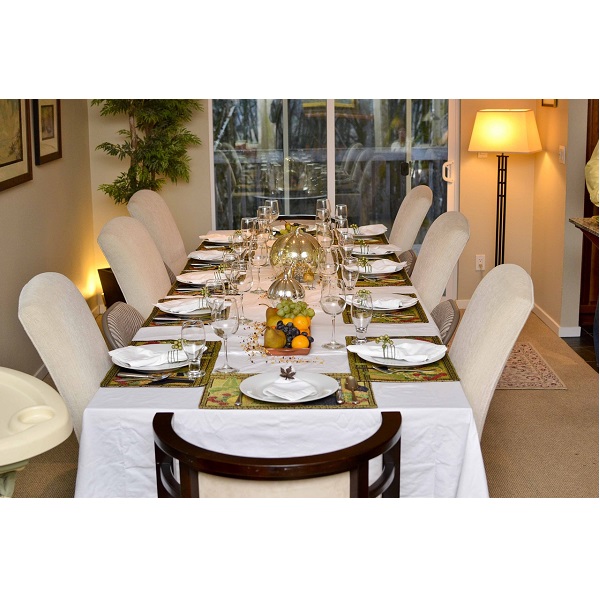
Fine dining restaurants provide patrons a classy dinner experience, sometimes with several courses. These restaurants aim to provide an elegant, exclusive, and classy atmosphere that is refined.
FAST FOOD
Fast food restaurants today are the most well-known kind of eateries because of franchise brands like KFC, Burger King, and Taco Bell. They are popular because of their affordable costs, practicality, and speedy service. Restaurant items are often reheated or precooked due of their significance. After that, customers order food at the counter or at a drive-through window, and they select their own seats.cuisine from quick-service eateries. Customers that choose quick-to-prepare food that is still more affordable than casual eating and healthier than fast food are catered to by fast casual eateries.
CASUAL DINING
The following traits are usually present in restaurants that cater to casual dining patrons: They serve patrons at their tables, and the menu items are fairly priced. Everything is subdued.

FOOD STAND
Food stalls are unique, contemporary businesses that frequently specialize in one particular kind of food recipe and offer a constrained menu with those products at its core. Since the focus is on speed, they are frequently connected to fast food restaurants. Furthermore, there can be few or no options for sitting.
CAFÉ
Cafes are characterized by their laid-back atmosphere, outdoor seating, and loyal clientele. There’s coffee, tea, pastries, simple breakfast and lunch fare, and a small assortment of desserts. The cafe idea does not require a huge crew because customers order meals at the counter, pay for them immediately, and serve themselves.
SELF SERVED
Buffets, which provide customers with a set selection of food at set prices, are an extension of the family-style restaurant.
PUB
In a pub-style restaurant, two people are seated at the bar. After a hard day, people have traditionally gone to pubs to relax and enjoy a beer or other alcoholic beverage. They were hardly more than bars at first.Pubs frequently provide full table and bar service, along with casual dcor, games, sports televisions, and sometimes even a dance floor, all due to their varied menu and festive atmosphere.
CAFETERIA OR CANTEEN
You are undoubtedly familiar with cafeteria-style cuisine if you went to elementary or high school in the US. A cafeteria is a location that has a long counter and provides ready-cooked food today. After lining up and receiving a tray, customers proceed in front of the various food options, making their meal selections as they go. On-site cafeterias that serve both personnel and consumers are a feature of several large businesses, industries, and hospitals.
GROUP
A group restaurant is similar to the above-discussed informal dining environment. Key difference is the food is served on large plates, which patrons then help themselves to and share with other diners at the table. These eateries, which serve large parties of friends or families with small children, usually have a more laid-back atmosphere than fine dining and casual dining venues.
Still, that idea holds true for independent eateries across the nation. In actuality, during the early 20th century, large cities like New York were home to a lot of cafeteria-style automats. In automated cafeterias, fresh food was displayed in banks of vending machines (not the automated vending machines of the twenty-first century.
DELIVERY
Does much of its operations online using a computer, tablet, or smartphone, as the name suggests. A ghost restaurant isn’t a typical storefront with a large eating space, décor, and signage.
SUMMARY
That’s how our modern food recipes are categorized based on where we eat. The primary classifications are based on the type of food offered, seating arrangements, amount of time spent there, and location.