

Historical perspectives
Children were able to have more regular and varied diets, as well as access to health services, potable water, and sanitation, because urban living was connected with greater incomes and better food availability. Today, however, as a result of ongoing urbanization and the sharp increase in the number of urban poor, a greater proportion of the population is now dependent on the cheapest, easiest-to-get-by meals, which are frequently unhygienic and low in nutrients, raising the risk of malnutrition.
The economy and what people eat
A large portion of rural inhabitants rely on agriculture for their income. Simultaneously, the poorest populations are generally concentrated in agricultural regions both internationally and domestically. Because of this, people frequently leave low-paying agricultural jobs when better employment possibilities present themselves. This furthers the paradox that malnutrition is more common in agricultural areas due to population density and, in particular, the prevalence of undernourishment among children.
It has really been shown that children’s diets do not necessarily get healthier when they live close to an agricultural today food producer. According to the 2022 report on child food poverty, children residing in rural regions were more likely to experience severe food poverty.
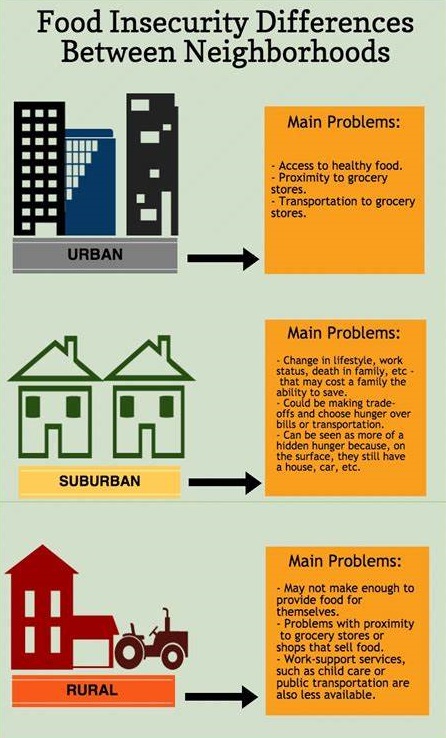

Access determines everything
Disparities in access to healthcare, clean water, sanitary conditions, and a hygienic environment contribute to the discrepancies in stunting and wasting between urban and rural areas. By providing care at first-line healthcare institutions, the implementation of important public health initiatives across the continuum of care serves to enhance the health and nutritional condition of mothers and children.
The cycle of infectious disease and undernutrition can be broken in a big way with improved sanitation and hygiene practices.
The challenges ahead
Since 2000, the nutrition transition of urban populations has resulted in a greater proportion of death and disability from today food shortage and nutrition-related NCDs, such as obesity, diabetes, and hypertension, than from undernutrition. The similar shift is currently being experienced by rural people worldwide, and in certain places, they are starting to exhibit a higher prevalence of overweight and obesity than in metropolitan regions.
The current challenge to address several kinds of malnutrition is the unfinished goals to reduce micronutrient deficiency, stunting, and wasting together with the rise in overweight and obesity.