


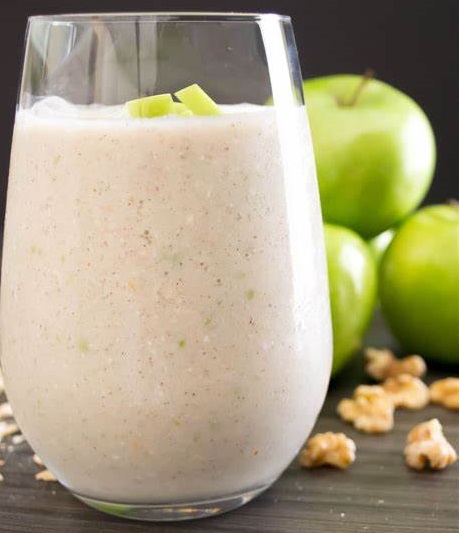
Smoothies are blended drink created with pureed components. A liquid basis, such as fruit juice, milk, yogurt, or ice cream, is typically combined with fruits like
- Apples
- papaya
- peaches
- pears
- pineapple
- mango
- bananas
- cranberries
, vegetables, nondairy milk, crushed ice, whey powder, and nutritional supplements to achieve the effect.
ADMIRED FOR FRESHNESS
Smoothies and freshly squeezed juices are popular with both adults and kids. If you find it hard to chew through the several servings of fruits and veggies recommended daily for good health, you may be tempted to drink them instead. Are they just as healthy, you wonder?
If most or all of the whole fruit and/or vegetable is blended into the beverage, then the nutrients and fiber are preserved, making it nutritionally comparable to eating the ingredients in whole form. In some cases, they may offer high quality nutrition if very fresh produce is used. They may also be easier to digest in a blended texture.
GETTING SATED
However, consuming these same foods in whole form will provide longer term satiety and make it easier to avoid excessive caloric intake. Also, don’t forget the other ingredients that are often added: milk, processed fruit juice, sweeteners, seeds, and protein powders can quickly drive caloric intake upwards of 700-800 calories per serving.
WATCH THE CALORIES
Even if only whole produce is used, calories can still be high depending on how much is added lack fiber and some nutrients that are destroyed or removed during processing. Without fiber, they are quickly digested and not as satisfying, and may cause spikes in blood sugar, leaving one feeling hungry soon after drinking them.
EXCEPTIONS
On a hot day, it is easy to drink several hundred calories in a large glass. Not surprisingly, higher consumption of fruit juice has been associated with greater weight gain. Also, a large prospective study found likely adverse effects from juice. Men and women who drank one or more servings of fruit recipes today each day experienced a higher risk of developing type 2 diabetes by as much as 21%. Whereas eating at least two servings a week of certain whole fruits such as blueberries, grapes, and apples was associated with a lower risk for type 2 diabetes by as much as 23% when compared with those who ate less than one serving per month.
HERE ARE COMMON TYPES OF SMOOTHIES
- Green smoothie
- Yogurt smoothie
- Protein smoothie