


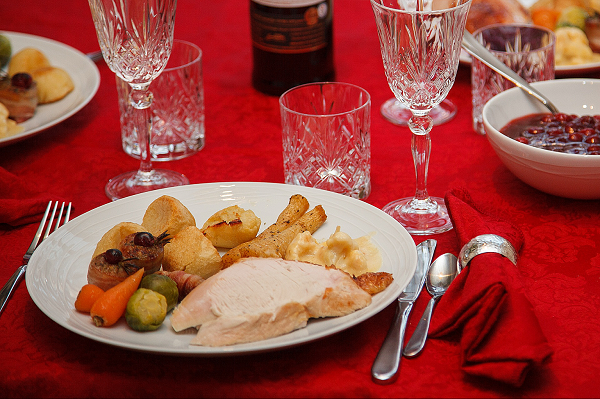
What are popular Christmas dishes? While traditional Christmas dinners might conjure images of roast turkey and cranberry sauce, the festive fare enjoyed around the globe is surprisingly diverse and reflects unique cultural food traditions today.
-
Panettone (Italy)
This sweet, dome-shaped bread, studded with candied fruits and raisins, is a Christmas staple in Italy. Its airy texture and delicate flavor make it a perfect accompaniment to coffee or dessert wine.
-
Julebord (Norway)
This lavish Christmas buffet boasts an array of traditional Norwegian dishes like lutefisk (dried whitefish soaked in lye), ribs, sausages, and various pickled herring. It’s a true celebration of Scandinavian flavors.
-
Lechón (Philippines)
This whole roasted pig, with its crispy skin and succulent meat, is a highlight of Filipino Christmas celebrations. It’s often served with a sweet liver sauce called “lechon sauce.”
-
Sinterklaas (Netherlands)
While celebrated on December 5th, Sinterklaas involves indulging in a variety of festive treats, including speculaas (spiced shortcrust biscuits) and marzipan.
-
Melomakarona (Greece)
These fragrant honey cookies, infused with cinnamon, cloves, and orange zest, are a traditional Greek Christmas sweet.
-
Hallacas (Venezuela)
Similar to tamales, hallacas are corn dough pockets filled with a savory stew of beef, pork, and chicken, wrapped in plantain leaves and steamed. They are a labor of love and a symbol of family tradition.
-
Christmas Pudding (UK)
This rich, dark, and boozy fruitcake is steeped in tradition.
From savory roasts to sweet treats, Christmas cuisine is a vibrant reflection of cultural heritage. Exploring these diverse dishes is a wonderful way to connect with some main dishes for Christmas from around the world and add a touch of global flavor to your own festive celebrations. This Christmas, consider trying a new food recipe and expanding your culinary horizons.
Why families cook during Christmas
The act of preparing food at Christmas extends far beyond simple sustenance; it is a profound cultural ritual, deeply woven into the fabric of the festive season. This culinary endeavour serves multiple, interconnected purposes, ranging from the upholding of cherished traditions to the expression of love and the creation of lasting memories.
The main reasons
Chief among the reasons people cook during Christmas is the powerful pull of tradition and nostalgia. For many, the recipes prepared are not merely instructions but heirlooms, passed down through generations. The familiar aroma of a roasting turkey, the spicy scent of mulled wine, or the sweet fragrance of gingerbread evokes a deep sense of continuity and connects individuals to their past. These culinary rituals provide a comforting anchor in a rapidly changing world, reassuring participants by recreating the sensory experiences of Christmases gone by, often harkening back to childhood memories and the presence of loved ones who may no longer be with them.
Furthermore, Christmas cooking is an undeniable expression of care, generosity, and community. The effort invested in planning, sourcing, and preparing a special meal is a tangible demonstration of affection for family and friends. It transforms the kitchen into a hub of activity, fostering a communal spirit as people gather to peel vegetables, stir sauces, or decorate baked goods. The resulting feast becomes a focal point for togetherness, encouraging conversation, shared laughter, and the strengthening of familial bonds. In a world increasingly dominated by convenience, the deliberate act of preparing a lavish meal signifies the importance of the occasion and the value placed on those sharing it.
Adding a special flavor
The unique tastes, textures, and aromas associated with festive dishes are integral to the holiday experience. From the crisp skin of roast potatoes to the rich flavour of plum pudding, these culinary delights are not just food; they are an essential part of the celebratory atmosphere. The abundance and variety of a Christmas spread also symbolise prosperity and generosity, marking the holiday as a special time set apart from the everyday.
In essence
Popular Christmas dishes are a multi-layered practice that transcends mere eating. It is a powerful blend of tradition, love, sensory pleasure, and communal celebration, serving as an indispensable element in forging the unique magic and lasting memories of the festive season.


