


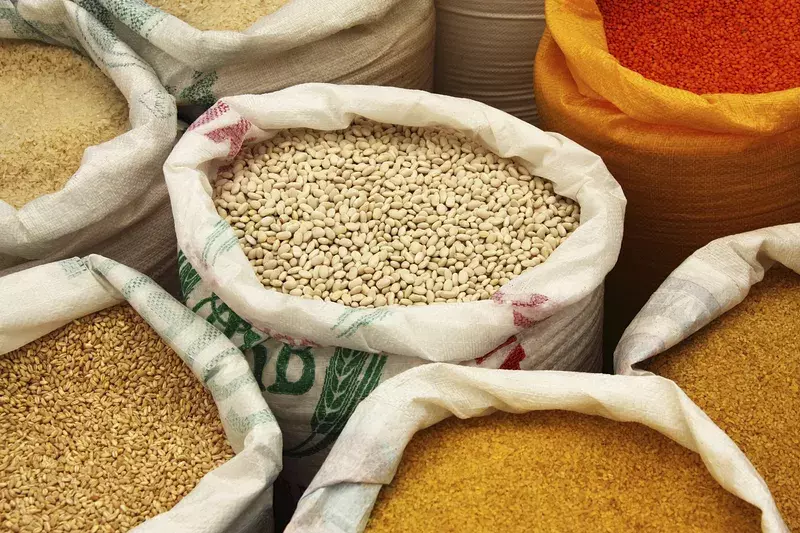
African gastronomy stands as one of the most dynamic and culturally rich culinary landscapes in the world. As global interest in diverse cuisines accelerates, the vibrant spices, grains, and aromatics of the African continent captivate chefs and home cooks alike. Culinary exploration reveals that understanding these foundational elements unlocks a deeper appreciation for the heritage, trade routes, and biodiversity that shape modern food culture.
The Global Rise of African Flavors
Industry reports and trade publications highlight a massive surge in demand for West and East African ingredients. According to a recent culinary trend forecast by the Food and Agriculture Organization (FAO), African agricultural exports and indigenous superfoods are experiencing unprecedented global integration. Furthermore, market researchers predict that the consumer appetite for complex, bold spice profiles will drive a 25% increase in specialty spice imports over the next five years.
Dr. Amina Diallo, a professor of Food Anthropology at the University of Ghana, notes in her published research that “African cuisine is not a monolith; rather, it is an interconnected tapestry of flavors rooted in sustainable agriculture and profound respect for natural biodiversity.”
7 Essential Ingredients Shaping the Continent
To master the depth of African cooking, cooks must understand the core components that anchor its dishes. The following essential ingredients drive both traditional preparations and contemporary fusion cuisine.
| Ingredient | Region of Origin | Primary Flavor Profile | Nutritional Highlight (per USDA Data) |
|---|---|---|---|
| Berbere | Horn of Africa (Ethiopia/Eritrea) | Fiery, sweet, warm, and complex | Rich in antioxidants and capsaicin |
| Harissa | North Africa (Tunisia/Morocco) | Smoky, pungent, and sharply spiced | High in vitamins A and C |
| Teff | East Africa | Earthy, nutty, and slightly malted | Excellent source of iron and dietary fiber |
| Egusi | West Africa | Rich, savory, and nutty | Packed with plant-based proteins and healthy fats |
| Suya Spice (Yaji) | West Africa (Nigeria) | Peppery, umami, and aromatic | High protein density from ground peanuts |
| Baobab Fruit Powder | Sub-Saharan Africa | Tangy, citrusy, and bright | Exceptionally high in Vitamin C and calcium |
| Palm Oil | Central and West Africa | Robust, earthy, and distinct | Rich in tocotrienols (Vitamin E) |
1. Berbere
This complex spice blend defines Ethiopian and Eritrean cooking. Combining chili peppers, fenugreek, garlic, ginger, and warm spices like cinnamon and cloves, Berbere provides the backbone for traditional stews like doro wat.
2. Harissa
Originating in North Africa, this hot chili pepper paste features roasted red peppers, Baklouti peppers, garlic, olive oil, and spices such as cumin and coriander. According to reviews in culinary journals, Harissa serves as a versatile condiment that elevates everything from roasted vegetables to marinades.
3. Teff
As the world’s smallest grain, Teff is a nutritional powerhouse. Data from the USDA FoodData Central confirms that this gluten-free ancient grain provides exceptional levels of iron and calcium. It forms the foundation of traditional injera flatbread.
4. Egusi (Melon Seeds)
Harvested from wild melon species across West Africa, these protein-dense seeds are shelled, ground, and used to thicken and enrich hearty soups. When evaluated against guidelines from Nutrition.gov, Egusi demonstrates significant value as a nutrient-dense plant protein.
5. Suya Spice (Yaji)
A signature blend from Nigerian street food culture, Yaji utilizes ground peanuts (groundnuts), ginger, chili peppers, and garlic. Food safety guidelines from the Food Safety and Inspection Service (FSIS) emphasize the importance of proper storage for nut-based spice blends to preserve their essential oils and prevent oxidation.
6. Baobab Fruit Powder
Harvested naturally from the iconic “Tree of Life,” baobab powder dries directly inside its hard shell on the branch. Studies cited by the U.S. Department of Health and Human Services point to its high fiber and antioxidant content, making it a valuable addition to modern functional foods.
7. Red Palm Oil
Unrefined palm oil imparts a striking golden-red color and a distinct, earthy richness to West and Central African dishes. When consumed in moderation as part of a balanced diet that aligns with the Dietary Guidelines for Americans, it contributes important fat-soluble vitamins to traditional recipes.
Culinary Forecast: What Lies Ahead
As we look toward the future of global nutrition and gastronomy, food scientists and economists from the USDA forecast that indigenous African crops will play a pivotal role in global food security and climate-resilient agriculture. Incorporating these seven ingredients into your kitchen not only honors a rich culinary heritage but also connects you to a sustainable, forward-looking global food movement.


