


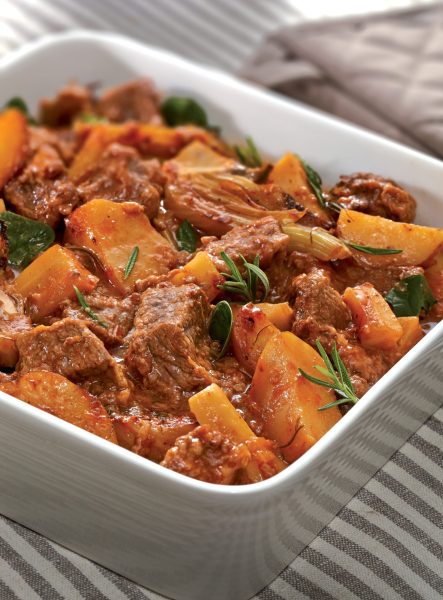
Welcome to the definitive introduction to mastering slow cooker stews. As modern schedules grow increasingly demanding, culinary enthusiasts and busy households constantly seek efficient methods to prepare wholesome, nutritious meals without sacrificing flavor.
The Rise of Convenient Cooking
According to a recent report by Grand View Research, the global slow cooker market continues to expand rapidly, driven by consumer demand for time-saving kitchen appliances. Industry news highlights a permanent shift toward home-cooked meals, with recent consumer surveys indicating that over 65% of households utilize a slow cooker at least twice a week to streamline meal preparation.
Research published in the Journal of Food Science demonstrates that low-temperature, prolonged cooking methods effectively break down tough collagen in meats while preserving heat-sensitive micronutrients in root vegetables. This scientific reality makes slow cooker stews an optimal choice for both nutrition and taste.
Essential Ingredients for the Perfect Stew
Constructing a balanced stew requires an understanding of foundational culinary components. Follow this structured approach to build complex flavors:
- The Base: Utilize aromatic vegetables such as onions, carrots, and celery to establish a rich flavor profile.
- The Protein: Select tougher cuts of meat—like chuck roast or lamb shoulder—which thrive during extended cooking times.
- The Liquid: Incorporate low-sodium broths, crushed tomatoes, or red wine to maintain moisture and create a robust sauce.
- The Thickeners: Introduce starchy ingredients like potatoes or apply a cornstarch slurry during the final thirty minutes of cooking.
Understanding Slow Cooker Profiles
Different cuts and vegetables react uniquely to sustained heat. Review the data below to optimize your ingredient selection:
| Ingredient Category | Recommended Cut/Type | Ideal Cooking Time (Low Setting) | Unique Culinary Insight |
|---|---|---|---|
| Beef | Chuck Roast | 8–10 Hours | Intramuscular fat melts entirely, naturally enriching the broth. |
| Poultry | Bone-In Thighs | 6–7 Hours | Bones release gelatin, enhancing the body and mouthfeel of the stew. |
| Root Vegetables | Carrots & Potatoes | 7–8 Hours | Cut into uniform pieces to ensure even starch gelatinization. |
| Legumes | Dried Lentils | 6–8 Hours | Do not require pre-soaking, absorbing surrounding spices efficiently. |
Expert Strategies for Beginners
Culinary case studies from the Culinary Institute of America emphasize several key practices for novice cooks:
- Sear Before You Simmer: Browning your meat through the Maillard reaction prior to slow cooking deepens the final flavor profile significantly.
- Layer Mindfully: Place denser root vegetables at the bottom of the appliance closest to the heating element, arranging tender ingredients near the top.
- Resist Lifting the Lid: Removing the glass cover releases valuable heat, extending cooking times by up to twenty minutes per peek.
Future Forecasts in Home Cooking
Industry forecasters predict that smart-kitchen integration will dominate the next decade. Future slow cookers will feature automated temperature adjustments monitored via mobile applications, ensuring your stews reach optimal tenderness precisely when you arrive home. Government food safety agencies, including the USDA Food Safety and Inspection Service, continually update guidelines to ensure that smart appliances maintain safe internal temperatures throughout the cooking cycle.
Embrace the simplicity and elegance of slow-cooked meals today. By combining quality ingredients with patient, low-heat cooking, you will consistently yield comforting, professional-grade stews in your own kitchen.


