


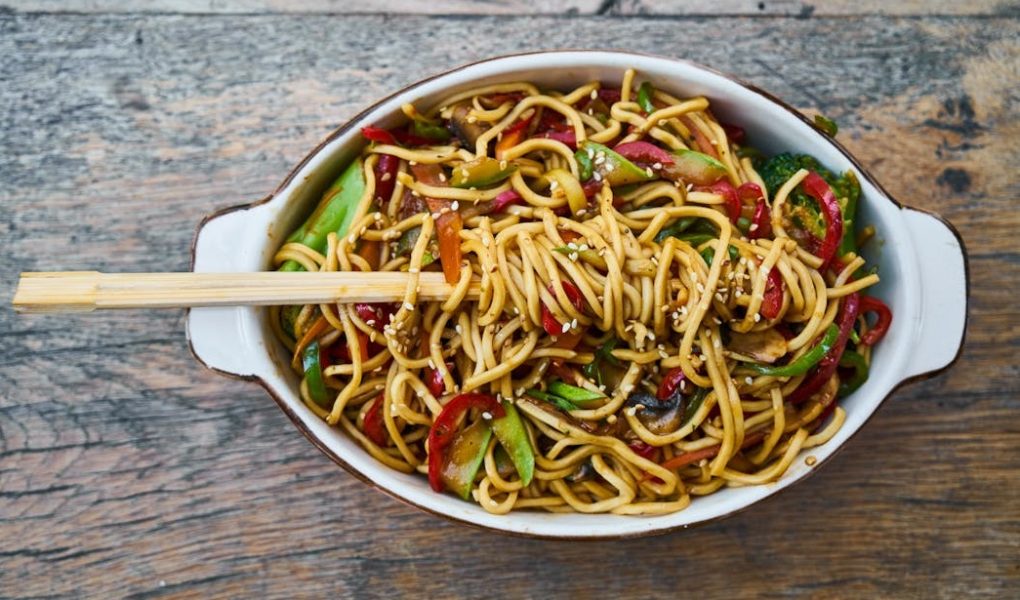
African cuisine transcends simple definitions of food. It represents a vibrant tapestry of cultures, histories, and ecosystems. Across the continent, culinary traditions rely on nutrient-dense indigenous ingredients that offer complex flavors and profound health benefits. Today, international gastronomy increasingly embraces these rich culinary roots, positioning African flavors at the forefront of global culinary innovation.
The Global Rise of African Flavors
Culinary experts and international food publications now recognize African ingredients as the next frontier in fine dining. According to a Whole Foods Market culinary forecast, traditional West African superfoods—such as fonio, moringa, and teff—lead modern pantry trends. Chefs worldwide utilize these components for their exceptional nutritional profiles and dynamic flavor profiles.
Recent industry news highlights this shift. Publications like The New York Times Food Section frequently spotlight African-led restaurants earning Michelin stars and critical acclaim. This momentum signals a broader cultural appreciation for the depth and sophistication inherent in continental cooking.
Core Pillars of Indigenous African Ingredients
| Ingredient | Region of Origin | Primary Health Benefit | Culinary Application |
|---|---|---|---|
| Fonio | West Africa | Rich in amino acids (methionine and cysteine) | Grain bowls, salads, porridge |
| Teff | East Africa | High iron and calcium content | Flatbreads (injera), baking flour |
| Baobab Fruit | Sub-Saharan Africa | Exceptionally high Vitamin C and fiber | Smoothies, dressings, desserts |
| Egusi (Melon Seeds) | West Africa | Healthy fats and plant-based protein | Thickeners for stews and soups |
Unique Insights: Beyond the Spice Blend
While global markets often reduce African food to “spices,” the true genius of the cuisine lies in fermentation, preservation, and texture. Unique insights from ethnobotanical studies reveal that indigenous fermentation techniques—used to produce items like iru (fermented locust beans) or garri—not only enhance shelf life but also maximize bioavailability, making nutrients easier for the human body to absorb.
Furthermore, agricultural economists note that pivoting toward indigenous crops offers a sustainable solution to climate change. Drought-resistant grains like sorghum and millet require minimal water, presenting a resilient model for future global food security.
Statistical Insights and Market Data
Market research underscores the rapid expansion of the African food sector.
- Market Growth: Industry analytics from Grand View Research project that the global ethnic foods market will experience steady compound annual growth, driven significantly by consumer demand for authentic African and Middle Eastern flavors.
- Consumer Surveys: A recent survey by Datassential revealed that over 65% of adventurous diners actively seek out West and East African dishes when exploring new restaurant concepts.
- Nutritional Value: Data published in the Journal of Food Composition and Analysis confirms that indigenous leafy greens, such as mitiche and spider plant, contain up to three times the calcium of standard western kale.
Engaging with African Gastronomy
Embracing African cuisine involves more than enjoying a meal; it means connecting with sustainable, ancient food systems. Consider these ways to incorporate indigenous ingredients into your daily cooking:
- Swap Refined Grains: Replace standard rice or quinoa with nutrient-rich fonio for a light, nutty base.
- Experiment with Natural Thickeners: Use ground egusi seeds instead of processed starches to add body and rich, savory notes to soups.
- Boost Your Beverages: Stir antioxidant-rich baobab powder into morning smoothies for a natural citrus tang.
Government agricultural initiatives, including those supported by the Food and Agriculture Organization (FAO), continue to champion the cultivation of these indigenous crops. By supporting local farmers and exploring traditional recipes, food enthusiasts contribute to a more diverse, resilient, and flavorful global food culture.


