


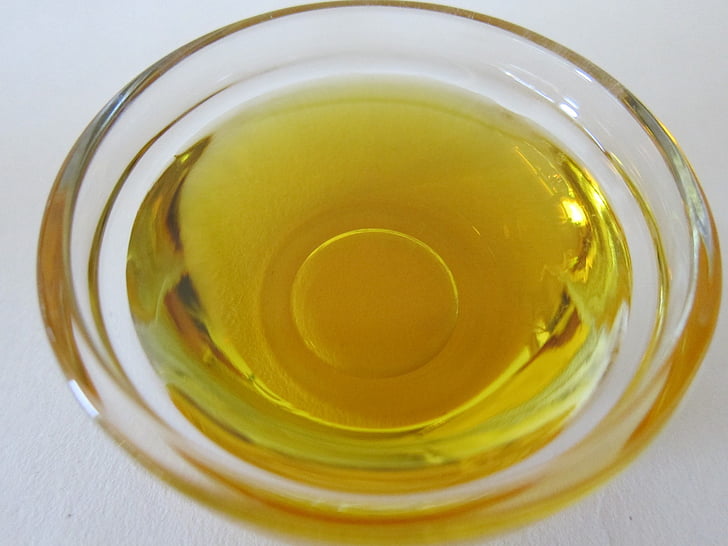
Plant-based oils shape modern nutrition, cosmetics, and sustainable manufacturing. As global industries pivot toward eco-friendly alternatives, botanical lipids offer functional versatility that petroleum-derived and animal-based products simply cannot match.
The Evolution of Botanical Lipids
For decades, consumer perception of plant-based oils centered almost entirely on culinary applications. Today, scientific advancements redefine these lipids as sophisticated biochemical compounds. Researchers analyze molecular structures to isolate specific fatty acids that target skin barrier repair, cardiovascular health, and green chemistry initiatives.
Recent industry reporting from BloombergNEF highlights a significant surge in corporate investments directed toward bio-based feedstocks. Industrial manufacturers now replace synthetic lubricants with high-oleic seed oils to reduce carbon footprints without sacrificing mechanical performance.
Key Nutritional and Functional Profiles
Understanding smoke points, fatty acid ratios, and extraction methods ensures optimal utilization.
| Oil Type | Primary Fatty Acid Profile | Optimal Application | Smoke Point (°F) |
|---|---|---|---|
| Extra Virgin Olive | Monounsaturated (Oleic Acid) | Medium-heat cooking, dressings | 375–410 |
| Avocado | Monounsaturated (Oleic Acid) | High-heat cooking, cosmetics | 520 |
| Flaxseed | Polyunsaturated (Alpha-Linolenic Acid) | Cold use only, nutritional supplements | Smoke-free (Unheated) |
| Jojoba | Wax Esters (Gadoleic Acid) | Skincare formulations | N/A (Cosmetic) |
Note: Always store polyunsaturated oils in dark, temperature-controlled environments to prevent lipid peroxidation.
Market Trajectory and Industry Forecasts
Market analysts project robust compound annual growth rates for the sector. Fortune Business Insights forecasts that the global plant-based oil market will reach substantial economic milestones by the end of the decade, driven heavily by regulatory pressures against synthetic additives and shifting consumer preferences.
Consumer insights gathered by NielsenIQ reveal that over 65% of global shoppers actively seek products featuring transparent, plant-based ingredient decks. This demand forces legacy brands to reformulate iconic household goods.
Unique Insights: The Future of Fermentation-Derived Oils
Traditional agriculture relies heavily on arable land and favorable weather patterns. However, unique insights from recent biotechnology case studies point toward precision fermentation as the next frontier for plant-lipid production. Scientists now engineer microalgae and yeasts to replicate exact fatty acid profiles of rare botanical oils—such as cupuaçu and shea—without harvesting the actual plants. This technological leap protects fragile ecosystems while guaranteeing supply chain stability.
Furthermore, dermatological clinical reviews published in the Journal of Clinical and Aesthetic Dermatology emphasize that fractionated plant oils demonstrate superior biocompatibility compared to synthetic emollients, leading to faster cellular regeneration rates in human trials.
Strategic Applications
To maximize the benefits of botanical oils, implement these best practices:
- Verify Extraction Methods: Prioritize cold-pressed or expeller-pressed varieties to preserve delicate micronutrients and antioxidants.
- Match Heat Thresholds: Never subject high-polyunsaturated oils to high heat, as thermal degradation destroys beneficial compounds and creates free radicals.
- Evaluate Sourcing Transparency: Support brands that publish third-party purity testing and adhere to sustainable agricultural certifications, such as the Rainforest Alliance.
By understanding the biochemical realities and market dynamics of plant-based oils, consumers and industry professionals alike make informed choices that promote personal well-being and environmental stewardship.


