


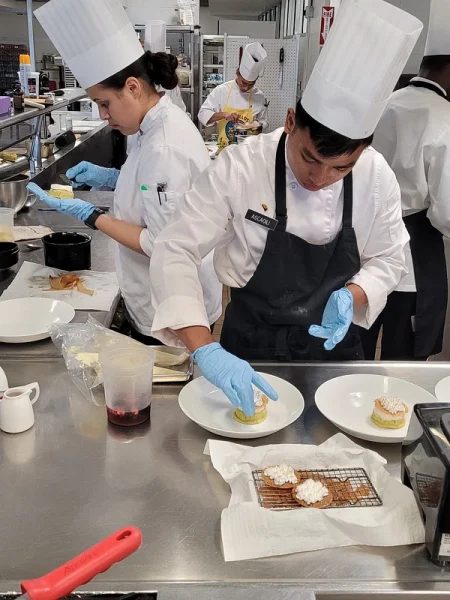
While the image of a chef might conjure up a lone figure in a pristine white coat, the reality is far more nuanced today. Many specialize in different areas, hold varying levels of responsibility, and contribute unique skills to successful cooking. Understanding these roles, and the hierarchy that often governs them, offers a glimpse into the intricate dance of a bustling kitchen environment.
Beyond the familiar title, a whole range of specialized roles exists. Here’s a breakdown of some common types you might encounter:
The Kitchen Hierarchy (the Brigade de Cuisine):
This classic system, established by Auguste Escoffier, is the bedrock of many professional kitchens, particularly in fine dining and hospitality settings today.
- The Executive serves as the principal authority in the kitchen, overseeing all operations including menu development, cost management, staffing, and training. This role is frequently associated with being the public representative of the restaurant and is integral to the management team. Possessing robust business insight and leadership capabilities is crucial.
- Sous : The Executive right hand. They supervise the kitchen staff in the absence of the Executive .
- Station : This culinary professional oversees a designated area in the kitchen, demonstrating expertise in specific domains such as pastry, sauces, or grilling. This role encompasses additional specializations.
- Saucier: Considered one of the most prestigious stations, the saucier is responsible for creating and preparing sauces, stocks, and gravies.
- Poissonier: Handles all aspects of fish preparation, from cleaning and filleting to cooking and plating.
- Rôtisseur: Specializes in roasting meats and poultry.
- Grillardin: Responsible for all grilled items.
- Garde Manger: Responsible for the preparation of cold dishes, salads, appetizers, as well as pâté and charcuterie.
- Pâtissier: Creates desserts, pastries, and baked goods.
- Commis: A beginner who works under a de partie to learn the skills and techniques of a particular station. They are often assigned basic tasks like chopping vegetables or preparing ingredients.
- Plongeur (Dishwasher): While often overlooked, the plongeur is an integral part of the kitchen team, ensuring a clean and sanitary environment.
Choosing A Path: The Culinary Journey
Whether you aspire to lead a busy kitchen, create recipes, or share your love of cooking with others, understanding the different roles and specializations is the first step in carving your own culinary journey. Consider your strengths, interests, and long-term goals to determine which type of chef aligns best with your aspirations. The journey may be long and challenging, but the rewards of a successful culinary career are undeniably delicious.


