


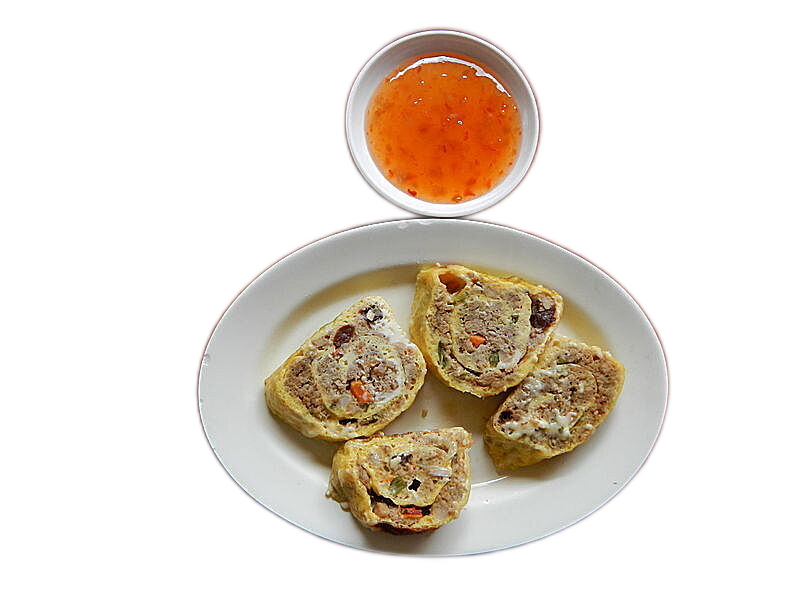
Culinary traditions across the globe continuously reinterpret classic seafood ingredients. The crab roll exemplifies this gastronomic evolution. Chefs worldwide transform simple crustacean preparations into sophisticated masterpieces.
The Evolution of the Gourmet Crab Roll
Food historians at The Culinary Institute of America note that regional adaptations of seafood rolls reflect local agricultural outputs and spice trades. The traditional New England style relies on chilled mayonnaise and a split-top bun. However, international kitchens embrace contrasting textures, bold fermentation, and aromatic herbs.
Recent industry reports from the Food and Agriculture Organization (FAO) highlight a steady rise in global crustacean consumption. Chefs respond by elevating humble street food into fine dining staples.
Global Variations in Fine Dining
Different cultures approach the crab roll through distinct flavor profiles.
- Pan-Asian Fusion: Incorporates lump crab meat with yuzu kosho, Japanese kewpie, and shiso leaves inside toasted brioche.
- Mediterranean Style: Features blue crab bound with Greek yogurt, capers, fresh dill, and crumbled feta cheese wrapped in artisanal flatbreads.
- Latin American Citrus Twist: Blends sweet crab meat with diced avocado, charred corn, and a habanero-lime emulsion.
Scientific journals focusing on sensory analysis indicate that pairing sweet crab meat with high-acid elements stimulates the palate effectively. According to data from USDA FoodData Central, wild-caught crab provides substantial lean protein and essential omega-3 fatty acids.
Nutritional Profile of Gourmet Crab Preparations
| Nutrient (per 100g serving) | Average Amount | Health Benefit |
|---|---|---|
| Protein | 18.5 g | Supports muscle repair and growth |
| Omega-3 Fatty Acids | 0.35 g | Promotes cardiovascular health |
| Selenium | 36.8 mcg | Enhances immune system function |
| Vitamin B12 | 9.0 mcg | Maintains neurological function |
Researchers from Cornell University published a study in the Journal of Food Science emphasizing that minimal culinary processing preserves the delicate amino acid structure of crustacean proteins.
Unique Insights Into Textural Pairing
Gastronomical case studies from the Southern Living archives suggest that the success of a gourmet crab roll depends entirely on the crunch-to-softness ratio. International chefs deliberately engineer temperature contrasts. They pair warm, toasted buttered bread with chilled, herb-infused crab salads. This thermal duality creates a memorable sensory experience for the diner.
Furthermore, recent culinary news from major food exhibitions points toward an emerging trend: the integration of ancient grains into roll casings. Bakers now utilize sourdoughs fermented with heirloom wheats to complement the natural sweetness of Jonah and Dungeness crab varieties.
Frequently Asked Questions
What distinguishes a gourmet crab roll from a standard sandwich? Gourmet variations utilize premium crustacean species—such as King, Dungeness, or colossal lump blue crab—paired with house-made emulsions and artisanal breads.
Which crab species yields the best texture for rolls? Culinary experts generally prefer blue crab or Dungeness crab for their balanced sweetness and firm, flaky muscle structure.
How do international chefs prevent the bread from becoming soggy? Kitchens frequently line the interior of the roll with a thin layer of clarified butter or toasted fat-based spreads to create a moisture barrier.
Does freezing affect the quality of gourmet crab meat? Flash-freezing techniques utilized immediately after harvest preserve both the cellular integrity and the delicate flavor profile of the crustacean.
What government regulations govern imported crab meat? The U.S. Food and Drug Administration (FDA) enforces strict safety, labeling, and temperature-control guidelines for all commercial seafood imports.


