


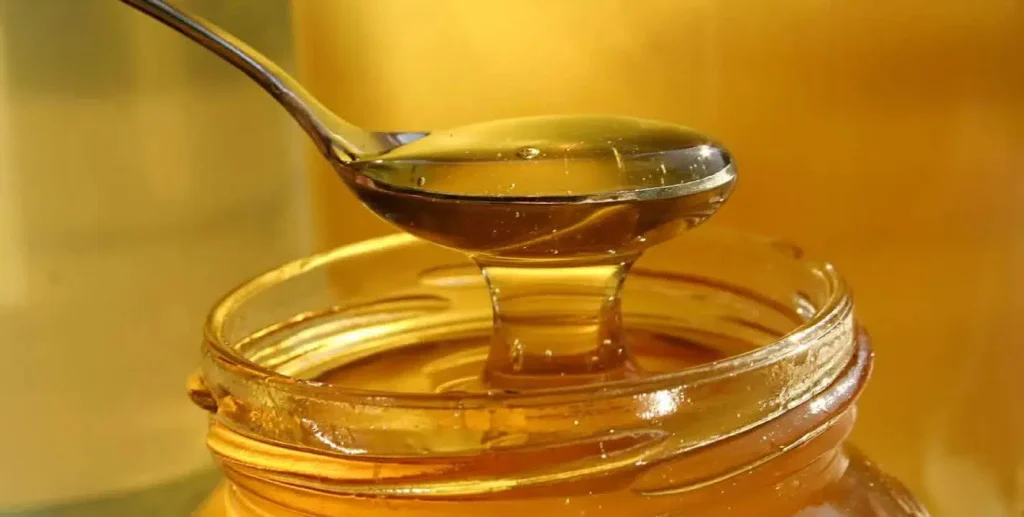
Honey has antibacterial, anti-inflammatory, and antioxidant properties in addition to being a natural sweetener. It is frequently applied locally to burns to aid with wound healing and taken orally to alleviate coughs. The substance has numerous therapeutic uses and is a very potent antimicrobial. Because of its high viscosity, it acts as an infection-resistant barrier.
Researchers discovered in 2009 that honey outperformed commercially available antibiotics. Honey has anti-inflammatory, anti-bacterial, and antioxidant qualities. It can be applied as a dressing to wounds to encourage quicker and better recovery. Because of its high acidity, osmotic effect, antioxidant content, and hydrogen peroxide content, honey has antibacterial properties that contribute to these effects.
WIDE USE
In essence, antimicrobial medicines have a significant role in lowering the prevalence of infectious diseases worldwide. However, the efficacy of antibiotics is reduced as resistant organisms emerge and proliferate. Public health is seriously threatened by this kind of bacterial resistance to antimicrobial medicines, and resistance is becoming more common around the globe for all antibiotics, including the main last-resort medications.


As a result of the pressing need for alternative antibacterial techniques, the therapeutic application of traditional medicines like plants and plant-based products like honey has been reexamined.
MEDICINAL APPLICATIONS
The ability of honey to promote wound healing has been shown time and time again. Honey is becoming more widely accepted as a cure for bed sores. Due to its antibacterial activity, honey is said to have healing characteristics.
Many people have reported that honey works wonders for dressing wounds because of its antibacterial qualities. Both manuka honey and medihoney have demonstrated in vivo action and can be used to treat burns.


