


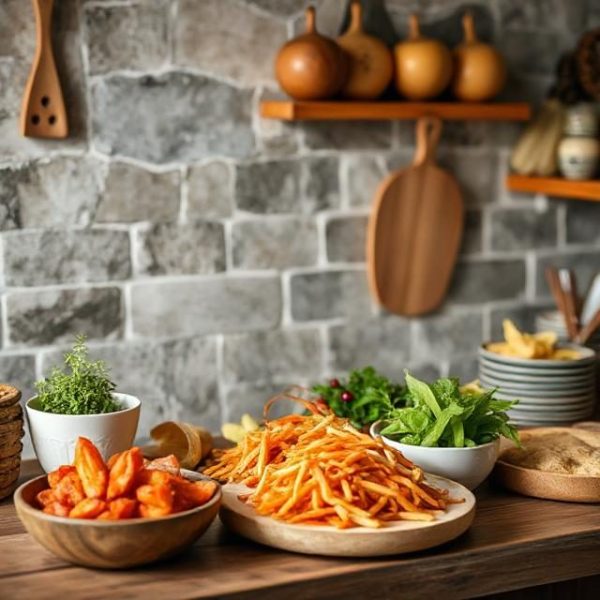
The food we eat today, the ingredients we use, and the ways we prepare them. Think of it as all all deeply intertwined with our history, traditions, and values. Cuisine acts like a living, breathing archive.
EXAMPLES FROM ELSEWHERE
Think about the steaming bowls of ramen in Japan, or the hearty, slow-cooked stews of Ireland. Each of these reflects not solely the availability of local ingredients but also the unique history and circumstances of those regions. Indian cuisine, with its complex layering of flavors, speaks to a long history of trade and diverse influences. Japanese ramen, developed from Chinese noodle dishes, has evolved into a comforting symbol of Japanese culture, reflecting a preference for simplicity and precision. And Irish stews, born from necessity and a harsh climate, highlight resilience and communal values.
STAPLES IFLUENCE CHOICES
Beyond the ingredients themselves, the methods of cooking also tell a story. The communal preparation of food recipes today,, the use of specific tools, and the rituals surrounding eating all convey important cultural messages. In many cultures, sharing a meal is a sacred act, a time for family and community bonding. The way a table is set, the order in which courses are served, and even the way people eat are all steeped in cultural significance.
Moreover, cuisine is not static; it constantly evolves in response to social, economic and environmental changes. Immigration, can introduce new elements into traditional foodways, leading to unique fusions that reflect the changing face of a culture. However, even in its evolution, food often maintains a connection to its origins. Think of how immigrants around the world have adapted familiar recipes to their new environments, creating dishes honoring their heritage.
SUMMARY
Ultimately, cuisine is a potent symbol of who we are, what we believe in, and where we come from. Every bite we take offers a glimpse into the complex tapestry of a culture’s identity. It’s a language spoken through the senses, a taste of history and tradition.


