

The scope of the situation
Much more work and innovation will be desperately needed as the world’s population grows in order to improve the global supply chain, reduce food loss and waste, raise agricultural production in a sustainable manner, and guarantee that everyone who is hungry or malnourished has access to wholesome food. Many people around the world are cooperating to end hunger in the coming generation because they think it is possible to do so today.
Since then, other member states and other organizations have shown their strong support for the Zero Hunger Challenge. It demands:
- No stunted kids
- Full perennial food supply
- Sustainable food systems
- Enhanced agricultural productivity
- Elimination of food waste
The Post-2015 Development Agenda’s 17 Sustainable Development Goals include the Sustainable Development Goal to “End hunger, achieve food security and improved nutrition and promote sustainable agriculture” (SDG2). This goal acknowledges the interdependencies between addressing climate change, empowering small farmers, promoting gender equality, ending rural poverty, ensuring healthy lifestyles, and supporting sustainable agriculture.
In addition to consuming enough calories, maintaining a balanced diet and being aware of micronutrient availability are other aspects of good nutrition that should not be overlooked. Long-term developmental effects may result from moms’ and babies’ inadequate consumption of certain micronutrients. In both rich and emerging nations, the rising prevalence of non-communicable diseases is closely associated with unhealthy diets and lifestyles.
Core factors
A special emphasis should be placed on ensuring enough nutrition throughout the crucial 1,000 days from the start of pregnancy to the child’s second birthday. Since its founding five years ago, the Scaling-Up Nutrition (SUN) Movement has made significant strides toward integrating solutions that connect nutrition to jobs, education, clean water, sanitation, agriculture, social protection, health care, and resilience building.
Global agriculture systems need to become less wasteful and more productive. It is imperative to approach sustainable farming methods and food systems—which encompass both production and consumption.
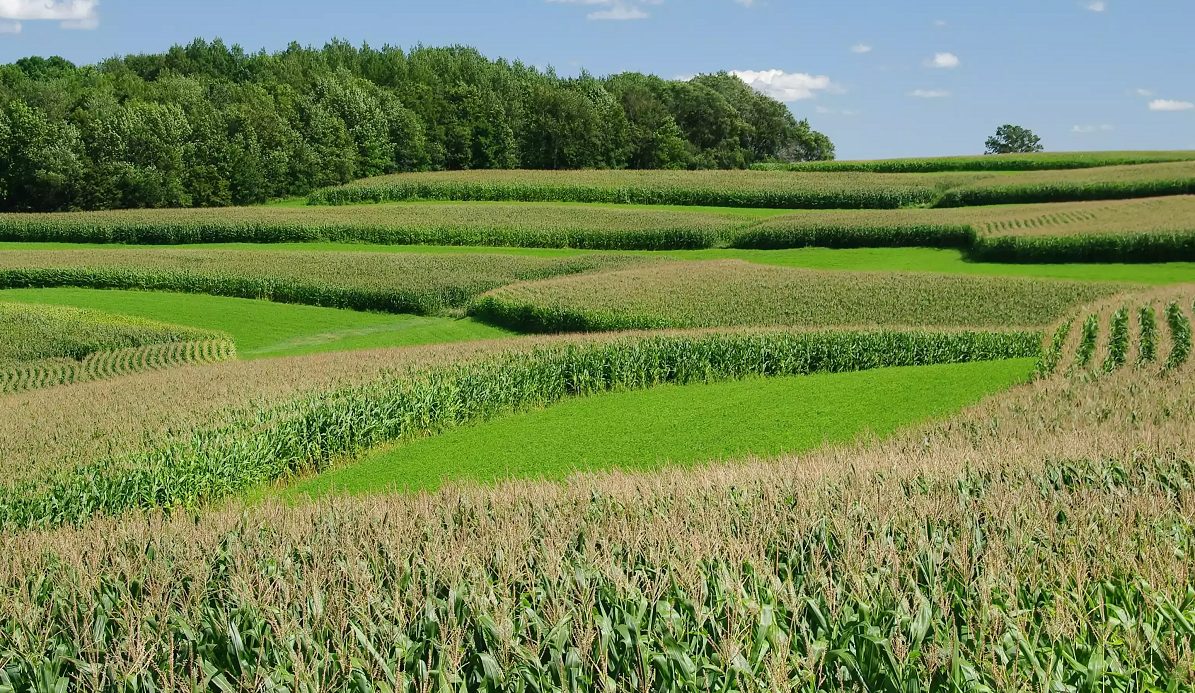
Because these resources are becoming increasingly scarce in many regions of the world, it is essential to use and manage them sustainably. Reducing the need to destroy forests for agricultural production would also be achieved by increasing yields on currently used agricultural land, including the rehabilitation of degraded areas, through sustainable agriculture techniques.
Productivity in drylands can be maintained by wisely managing the limited water supply through enhanced irrigation and storage technology and the creation of new crop varieties resistant to drought.
In order to satisfy future food needs, it will also be essential to stop and reverse land degradation. A land-degradation-neutral world is demanded by the Rio+20 outcome document in the framework of sustainable development. Considering how widespread land degradation is already, the potential advantages from

The solutions
In order to create synergies and effectively handle trade-offs between agriculture, water, energy, land, and climate change, there has to be a greater number of integrated decision-making processes at the national and regional levels.
The international community is called upon to enhance investment in research, development, and demonstration of technology to improve the sustainability of food systems worldwide, given predicted changes in temperatures, precipitation, and pests related with climate change. To ensure food security and optimal nutrition for everybody, as well as to prevent widespread shortages in the future, it will be imperative to strengthen the resilience of local food systems.
However, malnutrition is widespread. Even in situations where food today is readily available and easily accessible, people’s diets are frequently insufficient, boring, and out of balance, and the food itself is frequently low in nutrients. As a result, most nations have high rates of coexisting different types of malnutrition.
Underfive deaths are primarily caused by stunting and wasting; nearly two billion people are affected by micronutrient deficiencies, including those related to vitamin A, iodine, iron, and zinc; and the global prevalence of overweight and obesity has been steadily rising, impacting all demographic groups.


