


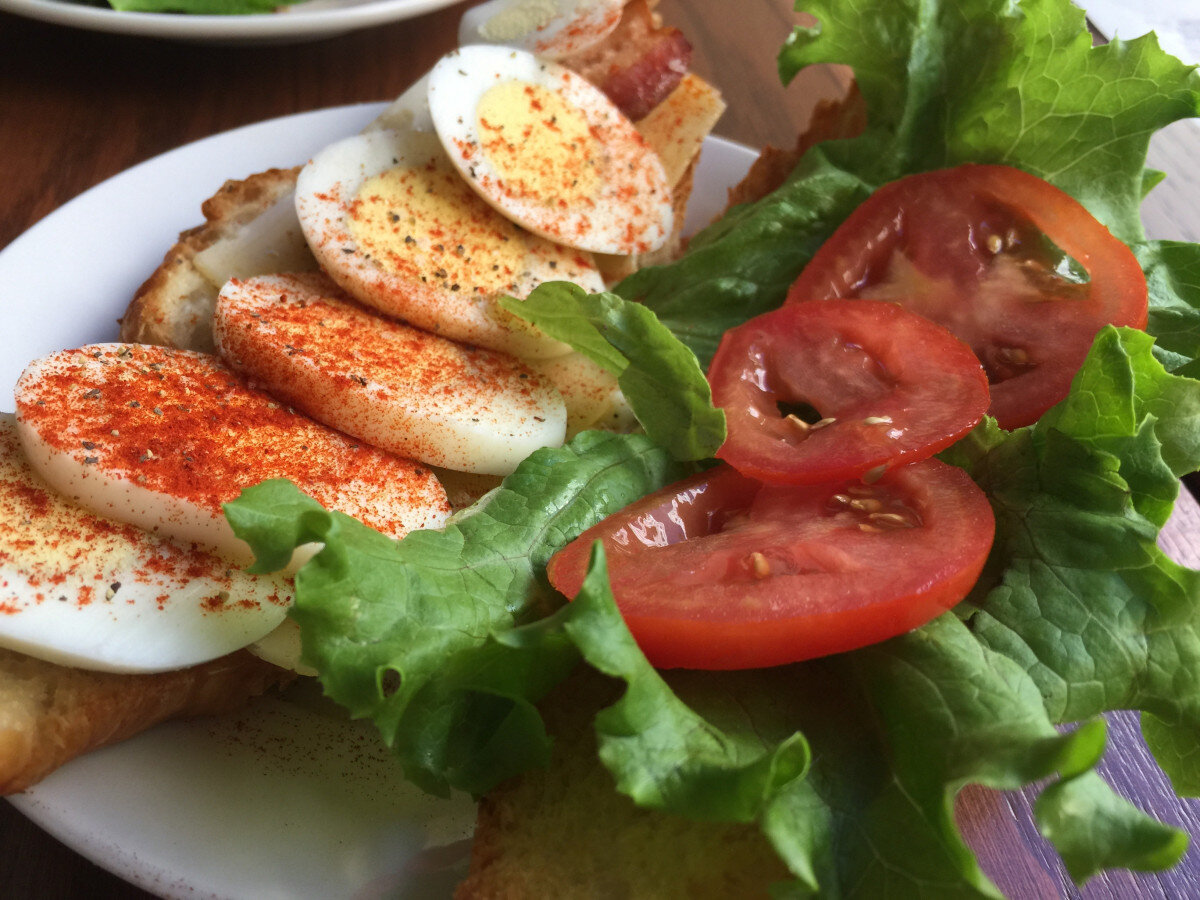
Food today are of various forms and of different tastes. However, everyone would like to eat something different on different days. Why do people consume varied kinds of food and what accounts for the differences amongst everyone?
BEAUTIFUL SCENERY
First impressions are created by design and general aesthetic appeal when customers approach. Potential customers can be drawn in and piqued by an attractive appearance. Among the things that guests think about are things like accessibility, plants, and clean windows. Features of the interior design that are visible from the outside, such an open kitchen, appealing lighting, or large, clean windows, can evoke feelings of excitement, curiosity, and welcome.
THE AMBIANCE
A well-selected ambiance can produce a laid-back, passionate, lively, or informal mood. Just keep in mind that the ambience you choose should be obvious given all of these factors. In addition to being crucial indicators of the kind of business a guest has visited, comfortable seating and table settings allow patrons to enjoy their meals without experiencing physical discomfort.


TELLING THE STORY
The brand identity and story of the place can be reflected in the interior design and decor. The aroma of freshly brewed coffee, the welcoming smile of the barista, and the relaxed music all contribute to the overall atmosphere and distinctive character of a Starbucks establishment.
Customers are better able to comprehend the concept and ideals as a result of having a closer connection with it. A well-designed interior can take customers to a particular location or period of time, improving their dining experience as a whole.
INTERACTIVITY
How guests engage with one another during intake of food might also be influenced by the setting. While noisy, hectic venues might be perfect for festivities and large meetings, quiet, private settings may foster more personal talks. Food locations should design their atmosphere to suit the various social events they serve, including business meetings, family get-togethers, and romantic dates.
PLANNING
The carefully considered atmosphere and layout might affect the menu selections and dining habits of patrons. A informal cafe with bright lighting can draw visitors looking for a fast lunch, whereas an elegant display with dim lighting might inspire consumers to order wine and numerous courses.
The ambiance and design may also have an impact on how long diners stay. Fast-casual environments might be designed to accommodate a speedier turnover, but cozy and pleasant locations might encourage loitering and conversation. It can also bring up memories and feelings, which improves the whole eating experience. A restaurant with retro décor, for instance, might evoke fond feelings in its customers.
THE KEY TAKEAWAYS
A restaurant’s ambience, interior design, and ambiance are crucial elements that greatly influence the decisions made by customers and their whole dining experience. They establish the tone for the experience, have an impact on food recipes menu selections and dining habits, foster emotional bonds, and are vital in determining whether or not consumers come back and stay loyal.
By focusing on these factors, restaurants may stand out from the competition and offer customers an unforgettable eating experience.