


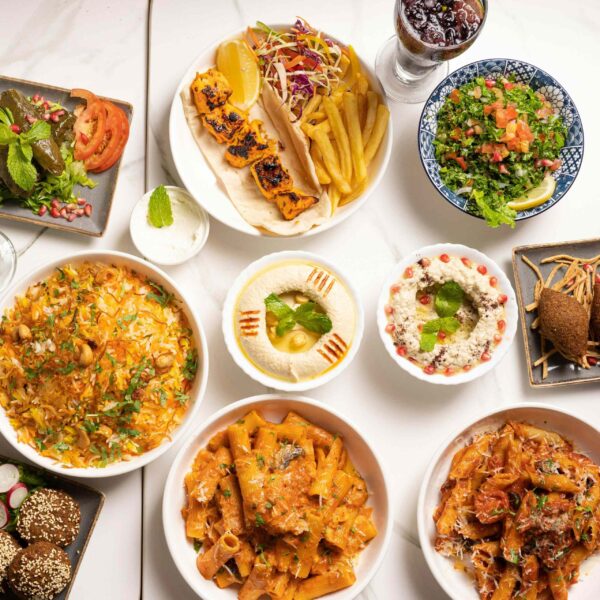
What are the 4 reasons why food is eaten? Well, the answer is not difficult to guess. Food, while its primary function is often perceived as biological, the act of eating is a profoundly intricate behavior driven by a confluence of interwoven factors. Beyond the simplistic need to survive, human consumption of food is shaped by physiological demands, social constructs, psychological needs, and ingrained habits. Understanding these four principal reasons offers a comprehensive perspective on why individuals eat.
WHY IT IS NECCESSARY TO EAT FOOD
The foremost reason for food consumption is Physiological Sustenance. Food fuels metabolic processes, maintains body temperature, facilitates cellular regeneration, and supports organ function. Without regular intake, the body cannot perform its vital operations, leading to fatigue, illness, and ultimately, a failure to thrive. This biological imperative is the baseline for all other reasons, ensuring the continuation of life itself.


FOOD IS AN ASPECT OF CULTURAL EXPRESSION
Secondly, food plays a pivotal role in Social Cohesion and Cultural Expression. Eating is rarely a solitary act; it is deeply embedded in human social structures and cultural identities. Meals serve as focal points for family gatherings, celebrations, religious rituals, and professional networking. Sharing food fosters bonds, reinforces community ties, and facilitates communication. Furthermore, culinary traditions are integral to cultural heritage, with specific dishes, ingredients, and dining customs passed down through generations, signifying identity, belonging, and memory.
MAN FEELS GOOD ABOUT EATING
A third significant driver is Psychological Gratification. Beyond basic hunger, food offers immense pleasure and comfort. The sensory experience of taste, smell, texture, and sight can evoke strong positive emotions. Individuals often eat to cope with stress, boredom, or sadness, or simply to indulge in an enjoyable experience. Food can act as a reward, a source of solace, or a means to create a sense of well-being and satisfaction. This emotional connection highlights that eating is not solely about nutritional intake but also about psychological fulfillment.


