


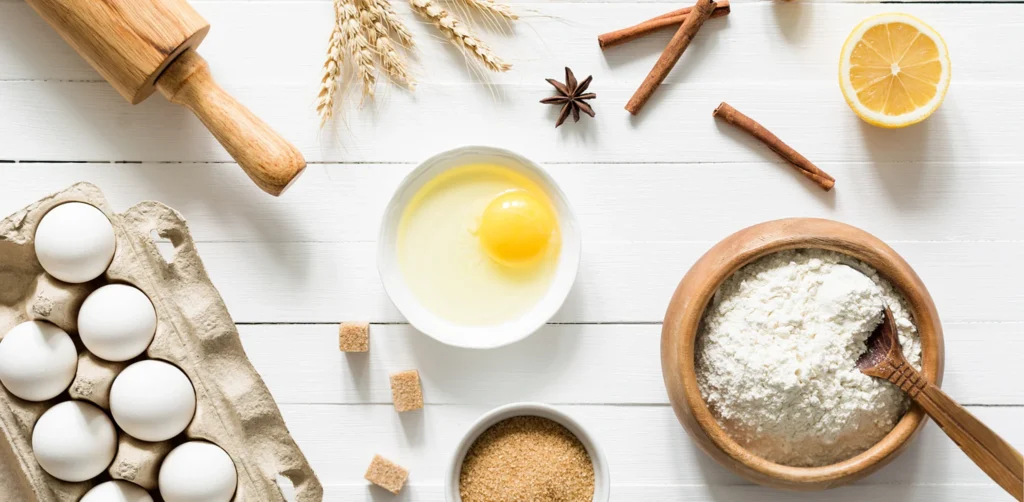
Recipes, at their core, are structured sets of instructions designed to guide the preparation of a specific dish or beverage. Far more than mere lists of ingredients, they represent a codified form of culinary knowledge, meticulously detailing the steps required to transform raw components into a desired gastronomic outcome.
A typical recipe encompasses several critical elements. Foremost are the ingredients, specified not only by type but also by precise quantities, forms (e.g., diced, minced, whole), and sometimes even temperature or brand recommendations. Following today trends, the method section outlines the sequence of actions, from initial preparation and mixing to cooking techniques, timings, and finishing touches. Essential details such as cooking temperature, equipment recommendations, and expected yield are also commonly included, providing a comprehensive blueprint for the cook.
WHY WE NEED RECIPES
The primary function of a recipe is multi-faceted. What are recipes? They serve as reliable tools for replication, enabling individuals to consistently reproduce a dish with predictable results, whether for personal enjoyment or professional catering. Recipes are also indispensable for knowledge transfer, preserving culinary traditions across generations and facilitating the learning process for novice cooks. They criticize cooking, breaking down complex techniques into manageable steps and empowering individuals to explore diverse cuisines. Furthermore, a recipe acts as a foundational framework, offering a starting point from which experienced cooks can experiment, adapt, and innovate, tailoring dishes to personal preferences or available resources.


FINALLY
Beyond their practical utility, recipes hold significant cultural and historical value. They are artifacts that reflect societal practices, available ingredients, and culinary evolution over time. From ancient oral traditions to handwritten manuscripts, printed cookbooks, and modern digital platforms, the format of food has evolved, yet their fundamental purpose remains steadfast: to document, share, and inspire the act of cooking. Ultimately, recipes are not just instructions; they are invitations to create, connect, and partake in the universal language of food.


