


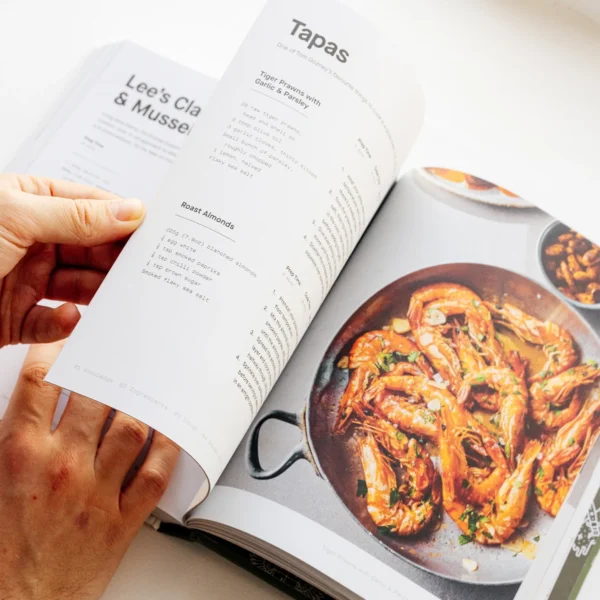
Recipes, often perceived as mere lists of ingredients and instructions. Why are recipes important? They are critical because they serve as foundational pillars for culinary development, cultural preservation, and practical application, influencing how food is prepared, shared, and understood across the globe.
Assuring standardization in cooking
For novices, they demystify complex techniques, transforming daunting tasks into manageable steps and building confidence in the kitchen. For experienced chefs, recipes act as a crucial reference, ensuring consistency and reproducibility, which are paramount in professional environments where quality and flavor must remain uniform. This reliability eliminates guesswork, allowing for predictable outcomes and efficient resource management, from predicting ingredient needs to managing cooking times


Accurate documentation of steps and methods
Beyond their instructional value, recipes are indispensable custodians of today culinary heritage. They document and transmit traditional dishes, regional specialties, and family secrets across generations, preserving the unique flavors and techniques that define cultural identities. A recipe can tell a story of a people, a place, or a historical moment, serving as a tangible link to the past. Moreover, while providing a framework, recipes also act as a crucial starting point for innovation. They offer a baseline from which imaginative cooks can experiment, adapt, and create new culinary experiences, ensuring that traditions evolve while maintaining their essence.
Assuring consistency
In commercial settings, they are essential for standardizing portions, controlling costs, and adhering to strict food safety guidelines. For the home cook, they facilitate meal planning and reduce food waste by encouraging thoughtful ingredient procurement. Ultimately, recipes are more than just functional guides. Their significance lies in empowering individuals, preserving legacies, and continuously enriching the human experience through the art of cooking.


