


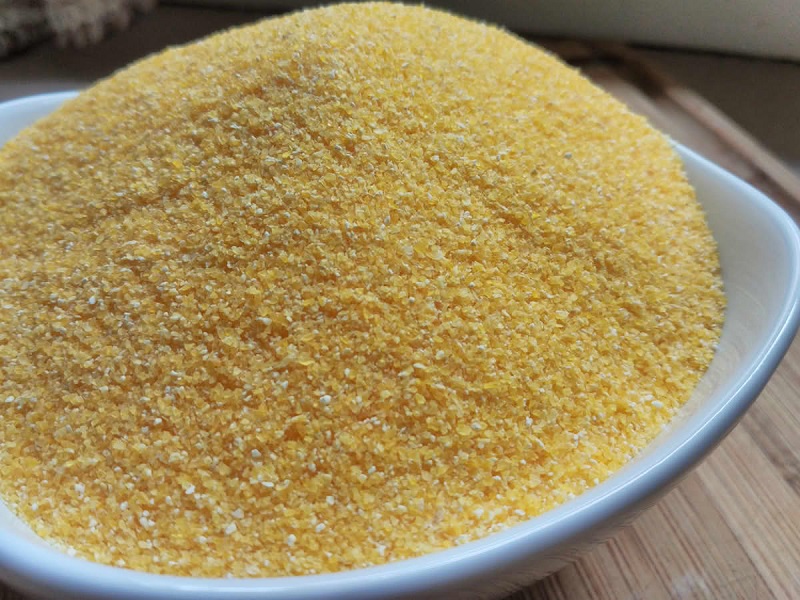
Corn, a globally consumed staple crop, has long been a subject of interest in discussions about nutrition and health. Whether served fresh, canned, or processed, the crop offers a range of nutrients that can support a balanced diet. Understanding its health implications requires a closer look at its nutritional composition, potential benefits, and considerations for optimal consumption.
Nutritional Profile
Maize is a nutrient-dense food that provides essential macronutrients and micronutrients. A single cup of raw sweet type contains approximately 160 calories, primarily from carbohydrates, including dietary fiber, which supports digestive health. It also supplies 5 grams of protein and small amounts of healthy fats. In terms of micronutrients, it is is a source of B vitamins (notably thiamine, which aids in energy metabolism), vitamin C (an antioxidant), and minerals like magnesium, potassium, and iron. Additionally, yellow variety contains carotenoids such as lutein and zeaxanthin, compounds linked to eye health.
Health Benefits
The inclusion of this cereal in the diet can offer several health advantages. Its high fiber content promotes satiety, aiding in weight management, while supporting gut health through improved digestion. The antioxidants present, particularly lutein and zeaxanthin, may reduce the risk of age-related macular degeneration and cataracts. Furthermore, magnesium therein contributes to muscle function and bone health, while potassium supports cardiovascular health by regulating blood pressure.
Corn also provides folate, a B vitamin critical for cell division and DNA synthesis, which is especially important during pregnancy for fetal development. For individuals seeking plant-based iron sources, It can complement a diet rich in vitamin C to enhance non-heme iron absorption.
Important Considerations
While it can be a healthful addition to the diet, its benefits depend on preparation and portion size. Whole kernels retain more fiber and nutrients compared to processed forms like syrup or refined products. For example, the flour and highly processed snacks often have reduced fiber and increased glycemic impact.
The meal has a moderate glycemic index (around 52–55), meaning it may cause gradual blood sugar spikes in larger portions. Individuals managing diabetes should monitor intake and pair with protein or healthy fats to mitigate glycemic effects. Additionally, while rare, allergies or sensitivities necessitate avoidance in some cases.
Conclusion
Corn can contribute to a healthy diet when consumed in moderation and in its whole, minimally processed form. Its array of vitamins, minerals, and antioxidants supports energy metabolism, digestive health, and eye health. However, mindful consumption is key to avoid overreliance on processed products. As with any food, incorporating these grains as part of a varied diet that includes fruits, vegetables, lean proteins, and whole grains is ideal. Those with specific dietary needs or concerns should consult healthcare professionals to tailor their intake. By making informed choices, individuals can harness the nutritional potential while maintaining overall wellness.


