

Importance
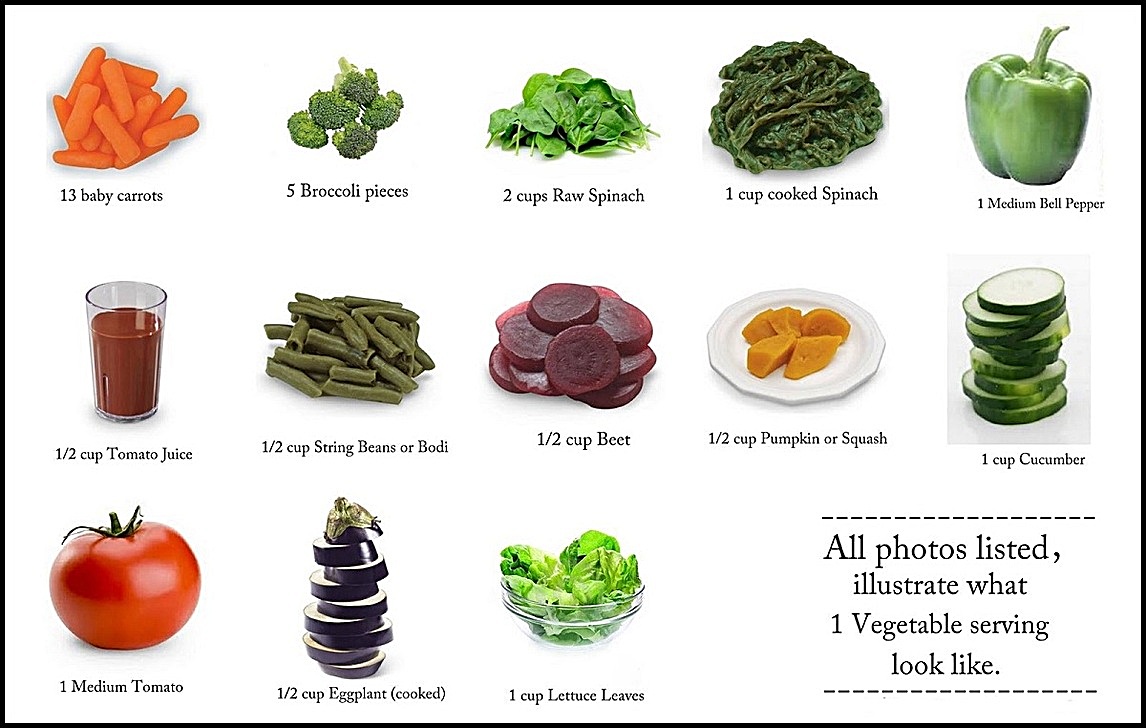
Selecting the right proportions of various recipes is a crucial component of eating healthfully. The phrases serving size and portion size are sometimes used interchangeably when discussing portion sizes when making eating decisions. They do not, however, have the same meaning. A certain quantity of food is called a serving size..
It is the standard serving size for meals or drinks. Like the MyPlate food groups, it can be used to define suggested amounts or, like a Nutrition Facts label, to display proportions that individuals usually consume. A serving size is a conventional measurement, like two tablespoons of peanut butter or eight ounces of milk, that denotes a particular amount of food or drink.
Definitions
The amount of food you choose to eat is known as the portion size, and it can vary from serving to serving. For instance, the Nutrition Facts label can say that one serving is ½ cup of cereal, but if you only consume ¾ cup, that’s your portion size. A portion is the amount of food you consume during a meal. A cup of food corresponds to one cup of portion size and ½ cup of serving size.

Differences in interpretation
The degree to which a food is expected to satisfy hunger and promote fullness, as well as its palatability, are some of the elements that influence the self-selected portion size. Sugar and other bulk products are typically measured in conventional units like the cup or tablespoon..
Products that are frequently divided, like pie or cake, have a serving size that represents a portion of the entire item. For instance, the serving size would most likely be indicated as “3 olives” if the reference quantity for olives was 30 g and each olive weighed 10 g.
Example of grain measurements
Grains
- Rice (cooked) – 1 cup
- Oatmeal (dry) – 1/3 cup
- Pasta or noodles (dry) – 2 ounces
- Quinoa (cooked) – 1 cup
- Bread – 2 slices
- Cereal – 3/4 cup
- Granola – 1/4 cup
- Determination
It might be challenging to gauge how much you eat at one sitting unless you intend to weigh or measure everything. For example, measuring pasta strands is more difficult than counting chips, cookies, or candies.
Ways to estimate without utensils
Using hand gestures instead of measuring cups or spoons is an excellent method to portions. A portion of cheese or peanut butter is equivalent to the length of your thumb, while a portion of sugar or oil is equivalent to the tip of your thumb. A portion of chips and pretzels would be two handfuls.


