


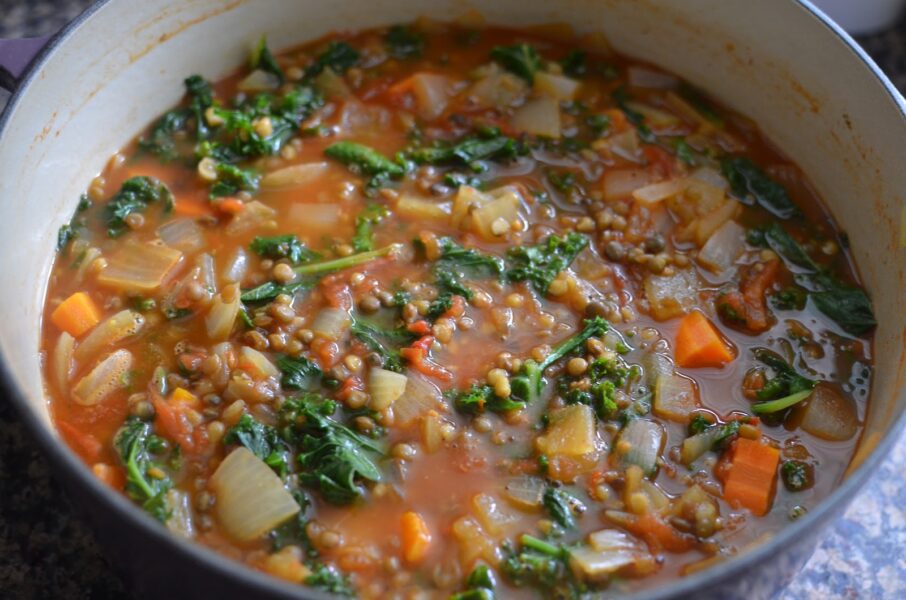
5 Instant Meals You Can Make With Just Hot Water
- Whole-Grain Porridges: Rolled oats and amaranth hydrate rapidly, offering complex carbohydrates.
- Dehydrated Legumes: Instant lentil powders and refried bean flakes rehydrate into high-protein dishes.
- Freeze-Dried Proteins: Pre-cooked chicken, tofu, and eggs retain their cellular structure during freeze-drying, ensuring quick reconstitution.
- Asian Noodle Varieties: Rice vermicelli and air-dried ramen noodles soften efficiently in high-temperature water.
Modern lifestyles demand rapid nutritional solutions. People increasingly seek convenient food options that require nothing more than boiling water.
The Rise of Hydration-Based Nutrition
Time constraints shape modern dietary habits. According to a recent industry report by Mintel, consumer demand for accelerated meal preparation continues to expand globally.
Researchers at the Harvard T.H. Chan School of Public Health emphasize that convenience should not automatically compromise nutritional integrity. Selecting the right ingredients ensures both speed and well-balanced nutrition.
Categorizing Instant Meal Options
Hot-water preparation relies on dehydration technologies. Food scientists optimize these processes to preserve essential macronutrients.
Nutritional Comparison of Common Options
| Meal Type | Average Rehydration Time | Primary Macronutrient | Estimated Protein Content |
|---|---|---|---|
| Instant Oatmeal | 3 Minutes | Carbohydrates | 5g – 8g |
| Freeze-Dried Chili | 8 Minutes | Protein / Fiber | 12g – 18g |
| Rice Vermicelli | 5 Minutes | Carbohydrates | 3g – 5g |
| Instant Lentil Soup | 5 Minutes | Protein | 9g – 14g |
Unique Insights from Food Science
Food science publications highlight a fascinating mechanism regarding starch gelatinization. When hot water contacts pre-gelatinized starches in freeze-dried or flaked foods, water molecules infiltrate the molecular matrices instantly. This process bypasses the lengthy cooking times required for raw grains.
Furthermore, a study published in the Journal of Food Science indicates that freeze-drying preserves up to 90% of the original vitamin content in vegetables. This retention rate surpasses traditional canning methods.
Frequently Asked Questions
Does hot water destroy the nutrients in instant meals?
High temperatures can degrade heat-sensitive vitamins like Vitamin C. However, manufacturers often fortify instant meals to compensate for processing losses.
What is the safest water temperature for reconstitution?
Water must reach a rolling boil (100°C or 212°F) to ensure proper rehydration and to eliminate potential pathogens present in dried ingredients.
How long should dehydrated meals steep?
Steeping times vary by product density. Most meals require between three and ten minutes covered to achieve optimal texture.


