


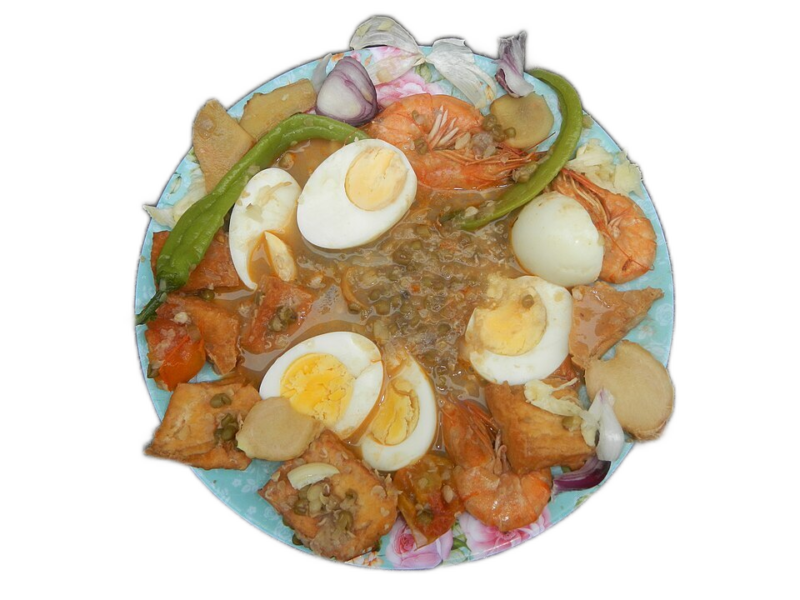
Filipino cuisine, renowned for its rich flavors and diverse culinary traditions. Contrary to popular misconception, Filipino food extends far beyond meat-centric preparations, presenting numerous delicious and authentic vegetarian Filipino dishes suitable for various palates. This article delves into the world of plant-based Filipino food, highlighting several classic and adaptable options.
Pinakbet: A Medley of Garden Freshness
Pinakbet, a staple from the Ilocos region, exemplifies a hearty Filipino vegetarian recipe. This robust vegetable stew typically combines bitter melon (ampalaya), eggplant, okra, string beans, and squash, all simmered in a savory base of fermented fish paste (bagoong). For a strictly vegetarian Filipino dish, chefs often substitute shrimp paste or fish sauce with a milder, umami-rich mushroom broth or soy sauce, creating a deeply satisfying meal. Pinakbet celebrates the bounty of Filipino vegetables, delivering both nutrition and taste.
Ginataang Gulay: Creamy Coconut Indulgence
The Filipino cuisine vegetarian landscape prominently features Ginataang Gulay, where “ginataan” signifies cooking in coconut milk. This versatile category includes various vegetables, such as string beans (sitaw), squash (kalabasa), or taro leaves (laing). Ginataang Kalabasa at Sitaw (squash and string beans in coconut milk) offers a naturally creamy and subtly sweet experience. Cooks prepare this dish by braising the vegetables in rich coconut milk with garlic, onions, and ginger. This preparation showcases the inherent richness meatless Filipino dishes can achieve.
Adobong Kangkong/Talbos ng Kamote: The National Dish, Reimagined
Adobo, the Philippines’ national stew, easily transcends its traditional meat versions. Adobong Kangkong (water spinach adobo) or Adobong Talong (eggplant adobo) provides succulent authentic Filipino vegetarian alternatives. Chefs braise kangkong or eggplant in the classic adobo sauce—a flavorful blend of soy sauce, vinegar, garlic, and peppercorns. This simple yet profound alteration allows everyone to savor the iconic tangy-salty profile of adobo, proving it as a truly adaptable classic Filipino dish vegetarian option.
Lumpiang Gulay or Sariwa: Fresh and Fried Rolls
Lumpia, a beloved Filipino spring roll, comes in both fried (lumpiang gulay) and fresh (lumpiang sariwa) iterations that naturally suit vegetarian preferences. Lumpiang Gulay typically features a filling of finely shredded vegetables like cabbage, carrots, jicama, and green beans, deep-fried until golden and crispy. Lumpiang Sariwa wraps a similar vegetable filling in a soft, non-fried wrapper, often topped with a sweet garlic-peanut sauce. These rolls make excellent appetizers or light meals, showcasing healthy Filipino vegetarian options. Many versions are also easily convertible to vegan Filipino dishes.
Monggo Guisado: Comfort in a Bowl
Monggo Guisado, a savory mung bean stew, represents another cherished Filipino vegetarian recipe. This comforting dish features tender mung beans sautéed with garlic, onions, and tomatoes, often enriched with leafy greens like malunggay (moringa) or ampalaya leaves. While some versions include pork cracklings (chicharon), a strictly vegetarian preparation simply omits them, focusing on the earthy flavor of the beans and vegetables. Monggo Guisado delivers substantial nutrition and a satisfying texture, making it a cornerstone among meatless Filipino dishes.
Empowering Plant-Based Choices
Filipino cuisine’s inherent versatility and emphasis on fresh produce make it highly accommodating for vegetarian and vegan diets. Numerous vegetarian Filipino dishes demonstrate that plant-based eating in the Philippines is not merely a modern trend but a deeply rooted aspect of its culinary heritage. Exploring these options reveals the depth, flavor, and vibrant appeal of Filipino vegetarian recipes, inviting everyone to discover the delicious possibilities.


