


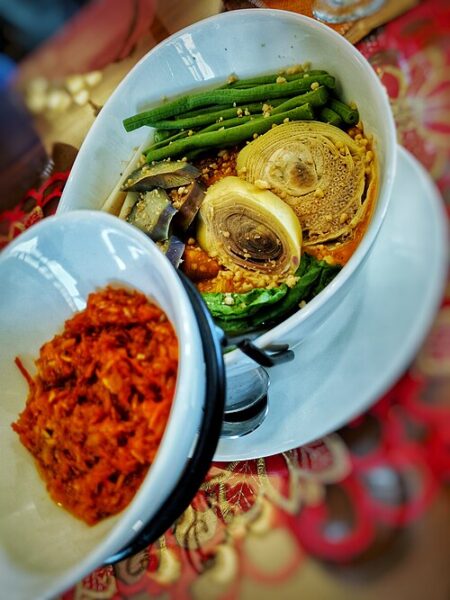
Filipino cuisine, celebrated for its vibrant flavors and diverse preparations, increasingly caters to evolving dietary preferences. A global movement towards plant-based eating has prompted a re-evaluation of traditional dishes, revealing a wealth of naturally vegetarian or easily adaptable food options. This article explores these delightful choices, demonstrating the versatility and richness of vegetarian cuisine.
Contrary to popular perception, far east culinary traditions integrate an abundance of fresh vegetables and plant-based ingredients. Many staple dishes inherently offer vegetarian foundations, while others readily accommodate modifications to exclude meat or animal products. This adaptability showcases the inherent flexibility of cooking, making it accessible to those adopting a vegetarian lifestyle.
Pinakbet
A hallmark of Ilocano cuisine, Pinakbet combines assorted indigenous vegetables like bitter melon (ampalaya), eggplant, okra, string beans, and squash. Traditionally seasoned with bagoong (fermented shrimp paste), a plant-based version substitutes this with salt, soy sauce, or mushroom umami for a savory depth, delivering a wholesome and flavorful experience.
Adobong Kangkong/Sitaw
The iconic Adobo principle extends beyond meat. Adobong Kangkong (water spinach adobo) or Adobong Sitaw (string bean adobo) features vegetables stewed in the characteristic soy sauce, vinegar, garlic, and peppercorn blend. This preparation offers a tangy, savory, and robust vegetarian main or side dish, reflecting the core flavors of south east Asia cooking.
Ginataang Gulay
Dishes cooked in coconut milk (ginataan) represent another excellent category for vegetarians. Ginataang Gulay encompasses various vegetables – taro leaves (laing), squashes, long beans, and more – simmered in rich coconut cream with ginger, garlic, and chili. The creamy texture and aromatic spices define this comforting and deeply satisfying vegetarian option. Laing, specifically, relies entirely on taro leaves, coconut milk, and spices, making it a naturally rich and flavorful plant-based delicacy.
Lumpiang Sariwa/Togue
Fresh spring rolls, Lumpiang Sariwa, provide a lighter, refreshing choice. These rolls feature sautéed heart of palm, carrots, green beans, and other fresh vegetables wrapped in a soft, thin crepe, topped with a sweet garlic sauce often thickened with brown sugar and cornstarch. Lumpiang Togue, filled primarily with bean sprouts and other vegetables, offers another delicious interpretation without meat.
Vegetarian Sinigang
Even the beloved sour soup Sinigang finds a vegetarian counterpart. Cooks often prepare this version using miso or gabi (taro) to achieve its characteristic tang and body, filling it with a variety of vegetables like radish, eggplant, string beans, and kangkong. This adaptation retains the comforting sour-savory profile the people cherish.
Pancit with Vegetables
Pancit (noodles) variations frequently feature vegetable-only preparations, offering a staple carbohydrate dish without meat. They can easily become vegetarian by omitting meat and increasing the amount of stir-fried vegetables such as cabbage, carrots, bell peppers, and snap peas, seasoned with soy sauce and calamansi.
Key takeaways
The vibrant culinary landscape of the Philippines truly embraces plant-based eating, offering an array of delicious and healthful options. From hearty vegetable stews to fresh spring rolls, This country’s vegetarian food showcases incredible flavor, texture, and cultural depth. Exploring these dishes allows one to discover the rich tapestry of exquisite gastronomy while adhering to a plant-based lifestyle. Embrace the journey of taste and wellness with these remarkable Filipino vegetarian selections.


