


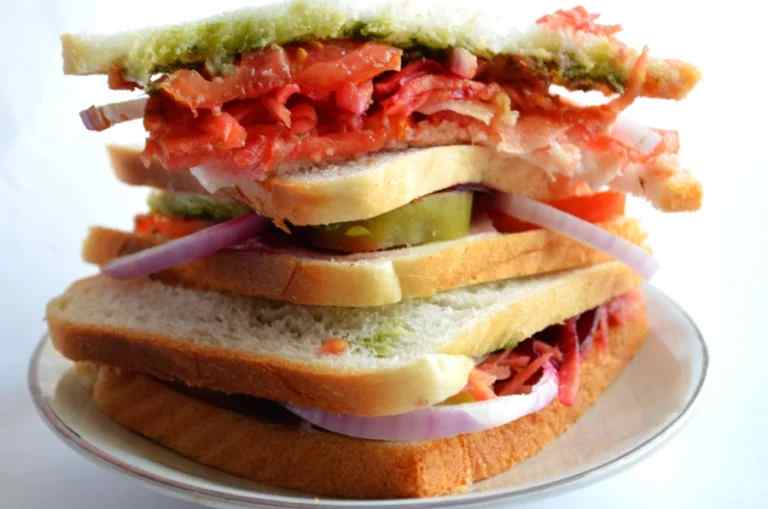
Few culinary inventions hold a place in history as secure as the sandwich. While people have consumed food between layers of bread for centuries, the term itself carries a specific, storied origin. Understanding what “sandwich” meant—and how it evolved into a global dietary staple—offers a fascinating glimpse into 18th-century social customs and linguistic transformation.
The Origin of Sandwich: The John Montagu Story
Historians generally attribute the term to John Montagu, the 4th Earl of Sandwich. According to popular accounts, the Earl requested his cook to place a serving of roast beef between two slices of toasted bread during a high-stakes gambling marathon in 1762. Montagu purportedly sought a meal that allowed him to continue his card game without using a fork or dirtying his fingers.
While this anecdote remains the most famous explanation, it likely simplifies a more complex reality. Eighteenth-century British aristocracy often consumed cold meats and bread as quick snacks. Montagu simply popularized the practice, lending his title to the dish and inadvertently creating a linguistic legacy that outlasted his political career.
Defining the Sandwich Through the Ages
In its earliest usage, the word “sandwich” signified convenience and utility. It represented a departure from formal dining, where utensils and seated service defined the meal. By the late 1700s, the term appeared in travelogues and literature, cementing its status in the English lexicon.
As the concept moved toward the 19th and 20th centuries, the definition expanded. The Industrial Revolution demanded portable, efficient meals for the working class. The bread-and-meat combination became the quintessential “lunchbox” item, shifting from an aristocrat’s late-night snack to an essential tool for the laborer.
The Modern Interpretation
Today, the sandwich serves as a culinary canvas. While the original definition required only two slices of bread and a meat filling, contemporary standards remain far more flexible. We now classify everything from open-faced tartines and multi-layered clubs to paninis and wraps under the broad umbrella of the sandwich.
Dictionaries define the sandwich as two or more slices of bread or a split roll having a filling in between. However, global culture continually challenges these constraints. From the Vietnamese Bánh mì to the pressed Cubano, the evolution of the sandwich mirrors the evolution of human migration and cross-cultural flavor exchange.
Why the Term Endures
The enduring popularity of the sandwich lies in its versatility. It requires minimal preparation, offers infinite variety, and bridges the gap between fast food and gourmet dining. By maintaining its identity while adapting to local ingredients and dietary preferences, the sandwich remains one of the most recognizable words in any language.
Whether you prefer a simple classic or an avant-garde creation, you are participating in a tradition that spans over 260 years. What began as a practical solution for a distracted nobleman has transformed into a universal symbol of gastronomic innovation. Today, the sandwich represents much more than bread and filling—it represents a history of efficiency, creativity, and the enduring human desire for a satisfying meal.


