


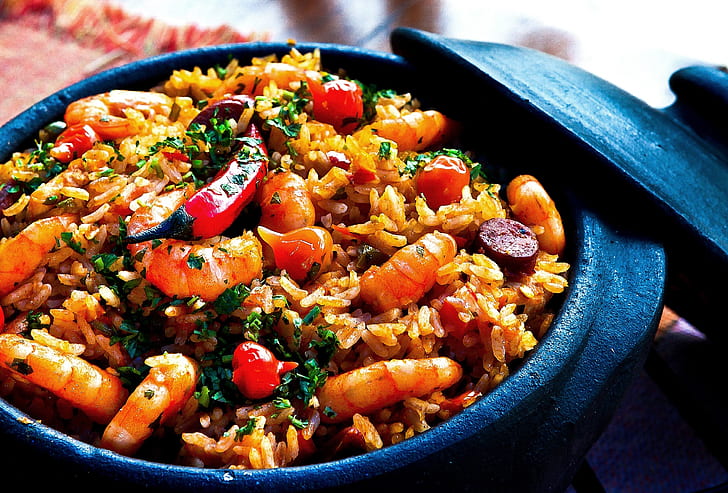
For many, the journey to culinary confidence begins not with a lack of recipes, but with a profound internal resistance. While knife skills and temperature control present tangible hurdles, the single most pervasive and difficult challenge in learning to cook is psychological: overcoming the fear of failure and the crippling pursuit of perfection. This mental barrier transforms a creative, practical skill into a source of significant anxiety, stunting growth long before any technical deficiency can.
Getting the taste perfect
At the heart of this difficulty lies perfectionism. Home cooking lacks the structured, graduated lessons of formal training. Aspiring cooks often compare their first efforts to polished restaurant dishes or curated social media images, an unfair and demoralizing benchmark. This comparison triggers a fixed mindset, where a burnt pan or a broken emulsion feels like a personal verdict on one’s innate ability rather than a temporary, instructive setback. The internal critic becomes louder than the sizzle in the pan, and the risk of trying—of potentially “failing”—begins to outweigh the potential reward of a shared meal.
Deciphering cookbooks correctly
This fear manifests as a paralysis of action. Individuals may hoard cookbooks and watch endless tutorials but avoid (actual operation). The gap between theoretical knowledge and hands-on execution feels immense. A recipe’s instruction to “sauté until golden” or “knead until elastic” requires intuitive judgment that textbooks cannot fully impart. Developing this culinary intuition demands repeated, sometimes messy, practice. The fear of wasting expensive ingredients or creating an inedible meal for family or guests can make the theoretical path feel safer, yet it provides no real skill development.
Processes go awry
Furthermore, the kitchen operates on immutable principles of chemistry and physics. A sauce will break, a dough will not rise, and a protein will overcook according to scientific laws. Learning to read these signs—to understand why something went wrong—requires a degree of detachment that is emotionally difficult. It is one thing to know a cake sank; it is another to diagnose whether it resulted from overmixing, an open oven door, or incorrect leavening. This diagnostic process demands curiosity over self-criticism, a shift that many find unnatural when their initial instinct is to view the ruined cake as a symbol of their own inadequacy.
Ineffective methods
Conquering this psychological hurdle requires a conscious reprogramming of one’s approach. The solution lies in embracing a “growth mindset,” where errors are redefined as essential data. Successful cooks do not avoid mistakes; they dissect them. They experiment with seasoning not to hit a “correct” salt level, but to understand how salt transforms flavor over time. They intentionally cook the same dish multiple times to observe how a minute’s difference in heat changes texture. This process builds not just skill, but resilient confidence.
Ultimately
The hardest part of learning to cook is surrendering the quest for flawlessness and accepting the iterative, often untidy, nature of the craft. It is about separating the outcome—the meal on the plate—from one’s self-worth. The moment a cook can say, “That sauce broke, and now I know how to fix it next time,” without self-rebuke, true progress begins. The kitchen then transforms from a testing ground for perfection into a laboratory for discovery, where the greatest ingredient is not any spice or herb, but persistent, compassionate practice.


