


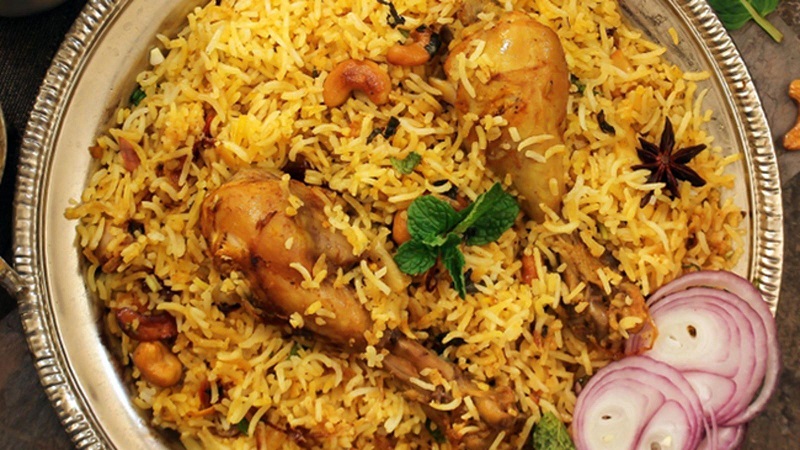
The Culinary Architecture of Ghana Jollof Rice
Ghana Jollof Rice stands as a defining pillar of West African gastronomy. Culinary historians trace the roots of this dish to the 14th-century Jolof Empire, which spanned parts of modern-day Senegal, The Gambia, and Mauritania. Over centuries, trade routes and cultural exchanges carried the recipe across the region. Each nation adapted the dish to local palates, agricultural outputs, and spice profiles.
In Ghana, the dish evolved into a distinct preparation method that prioritizes a rich, caramelized tomato base and aromatic spices. Food science researchers at the University of Ghana note that the specific Maillard reaction achieved during the frying of the tomato stew forms the backbone of the authentic Ghanaian flavor profile.
This comprehensive resource examines the cultural significance, scientific composition, economic impact, and global trajectory of Ghana Jollof Rice.
The Scientific Anatomy of Authentic Ghana Jollof
Culinary science explains why Ghana Jollof Rice achieves its distinct texture and depth of flavor. Unlike variations that rely on a smoother purée, the traditional Ghanaian method requires patience. Cooks reduce the tomato paste, onions, and oil until the mixture separates, a chemical phase known as “frying the stew.”
Researchers publishing in the International Journal of Gastronomy and Food Science highlight how this prolonged thermal processing breaks down complex carbohydrates in onions and amino acids in tomatoes. This breakdown creates natural umami compounds.
Furthermore, the choice of rice grain impacts the final product significantly. Ghanaian cooks typically select aromatic long-grain jasmine rice or local perfumed rice varieties. These absorb the seasoned stock without becoming overly starchy or mushy.
Key Ingredients and Their Functions
- Tomato Paste and Fresh Tomatoes: Provide the primary acid and natural sugars that caramelize during cooking.
- Scotch Bonnet Peppers (Kpakpo Shito or Ata Attu): Deliver capsaicin-driven heat alongside distinct fruity aromatics.
- Aromatic Spices: Incorporate ginger, garlic, cloves, bay leaves, and sometimes nutmeg to build olfactory complexity.
- Cooking Oil: Acts as a heat transfer medium that fries the aromatics and coats individual rice grains to maintain separation.
- Stock: Utilizes beef, goat, or chicken broth to infuse the starches with deep animal proteins and minerals.
Economic Impact and Agricultural Integration
The preparation and commercialization of Ghana Jollof Rice drive significant economic activity across West Africa. Urban centers feature specialized vendors, high-end restaurants, and annual culinary festivals dedicated exclusively to the dish.
According to a 2023 market analysis report by the Ministry of Food and Agriculture (Ghana), domestic consumption of rice continues to rise steadily. Urbanization and changing dietary preferences drive this trend.
Government initiatives, supported by research from the West Africa Centre for Crop Improvement (WACCI), aim to increase local rice production. These programs reduce import dependency and ensure that culinary traditions utilize indigenous grains.
| Year | Average Domestic Rice Consumption (Metric Tons) | Local Production Share (%) | Import Dependency Ratio (%) |
|---|---|---|---|
| 2020 | 1,250,000 | 48% | 52% |
| 2021 | 1,320,000 | 51% | 49% |
| 2022 | 1,410,000 | 55% | 45% |
| 2023 | 1,500,000 | 60% | 40% |
Data compiled from official Ministry of Food and Agriculture publications indicate a positive trajectory toward food sovereignty and agricultural self-sufficiency within the grain sector.
Cultural Diplomacy and the “Jollof Wars”
In contemporary popular culture, Ghana Jollof Rice frequently takes center stage in friendly, cross-border culinary debates, particularly involving Nigeria. Social media platforms, international food festivals, and academic symposiums analyze the differences between Ghanaian and Nigerian preparations.
Sociological reviews published by the Ghana Tourism Authority emphasize that these debates transcend simple food preferences. They serve as powerful tools for cultural diplomacy and tourism marketing.
International travelers frequently cite local food experiences as their primary motivation for visiting West Africa. Culinary tourism initiatives capitalize on this interest by organizing guided tasting tours and cooking masterclasses in Accra, Kumasi, and Cape Coast.
“The regional competition surrounding Jollof rice preparations acts as a catalyst for culinary innovation. It elevates West African gastronomy onto the global stage, drawing international attention to our rich agricultural heritage and distinct flavor profiles.” — Dr. Efua Mensah, Food Systems Historian
Forecasts and Trajectories
Looking toward the next decade, market researchers forecast substantial growth for West African cuisine in the global hospitality sector. Food service industry reports from global analytics firms project a 15% compound annual growth rate (CAGR) for African restaurants in North American and European metropolitan areas by 2030.
This expansion relies on supply chain improvements that export authentic ingredients, such as specific pepper varieties and aromatic rice strains, to international markets. Furthermore, food scientists predict an increase in plant-based adaptations of the dish. These variations utilize nutrient-dense local mushrooms and legumes to replicate traditional meat broths without animal inputs.
Personal Culinary Field Notes
- Date: March 20,, 2013
- Location: Osu, Accra
- Activity: Documenting traditional wood-fire preparation methods at a local community kitchen.
Observing master cooks in Osu reveals the precision required to achieve the prized bottom crust, known locally as kanazo or ekan. The process demands exact heat regulation using charcoal braziers (coal pots). The cook introduces the stock in measured increments, allowing the steam to cook the interior of the grain while the bottom layer achieves a controlled, nutty toastiness. This technique separates amateur attempts from master-level execution.
Visitors seeking authentic preparations often consult traveler feedback platforms to locate top-rated establishments. Reviews on platforms like TripAdvisor regularly highlight the balance of spice, texture, and aroma found in traditional Ghanaian kitchens across the capital.
Frequently Asked Questions
What distinguishes Ghana Jollof Rice from other regional variations?
Ghana Jollof Rice typically utilizes long-grain jasmine or perfumed rice, which absorbs the intensely caramelized tomato stew differently than the parboiled rice common in other regional preparations. The emphasis rests heavily on frying the tomato base until the natural oils separate completely.
Which spices are essential for authentic flavor?
Essential aromatics include fresh ginger, garlic, onions, Scotch bonnet peppers, and traditional dry spices such as bay leaves, thyme, and occasionally ground cloves or nutmeg.
Can the dish be prepared using plant-based ingredients?
Yes. Cooks easily adapt the traditional recipe by substituting rich vegetable stocks or mushroom broths for meat-based alternatives, maintaining the complex flavor profile while accommodating dietary restrictions.
How does the cooking technique achieve the smoky flavor?
Traditional preparation over an open wood fire or charcoal stove naturally imparts a subtle smokiness. In modern indoor kitchens, chefs sometimes replicate this effect by controlling the heat to achieve the specific caramelized bottom layer known as kanazo.
Where can travelers experience authentic Ghana Jollof Rice?
Authentic preparations are widely available throughout Ghana, ranging from neighborhood food stalls to fine-dining establishments in major urban centers like Accra and Kumasi.
How to for connoisseurs and beginner cooks
Below is a video of how to prepare Ghana jollof rice that may be useful for coking enthusiasts who may want to try their hands on this national food.


