


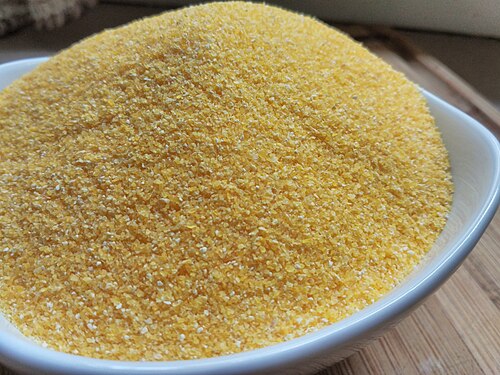
Preparing steamed cornmeal requires a balance of culinary technique and food science. Unlike boiling or baking, steaming utilizes gentle, consistent latent heat to hydrate coarse grains. This process gelatinizes starches evenly without agitating the delicate structure of the kernel.
Recent culinary industry reports from institutions like The Culinary Institute of America highlight a growing consumer preference for traditional, texture-rich grains over heavily processed alternatives. Understanding the science behind hydration elevates this humble pantry staple into a sophisticated side dish or base for savory entrees.
Nutritional Profile and Dietary Guidelines
Cornmeal delivers essential complex carbohydrates, dietary fiber, and trace minerals. According to data published in the Journal of Food Science and Technology, whole-grain corn products retain significant phenolic compounds with antioxidant properties.
To align your meals with federal recommendations, consult resources provided by MyPlate. Incorporating whole grains supports sustained energy release and digestive health, a principle reinforced by the official Dietary Guidelines for Americans.
Comparative Analysis of Cornmeal Textures
Different grinds react uniquely to steam absorption. Selecting the correct particle size dictates your cooking time and final moisture content.
| Grind Type | Particle Size | Optimal Steaming Time | Best Culinary Use |
|---|---|---|---|
| Fine | < 0.5 mm | 15–20 minutes | Smooth porridges, delicate cakes |
| Medium | 0.5 – 1.0 mm | 25–35 minutes | Traditional polenta, standard bakes |
| Coarse | > 1.0 mm | 40–50 minutes | Rustic dishes, African Couscous style preparations |
Step-by-Step Preparation Method
Achieving the ideal texture relies on precise liquid ratios and steady vapor circulation. Follow these steps for flawless results:
- Hydrate the Grain: Combine your preferred cornmeal grind with water or broth in a mixing bowl. Allow the mixture to rest for 15 minutes. This pre-soaking phase initiates starch hydration before thermal application.
- Prepare the Steamer: Fill a pot with water and bring it to a rolling boil. Ensure your steamer basket sits above the waterline to prevent direct boiling.
- Line the Basket: Place a piece of damp cheesecloth or parchment paper inside the steamer basket. This step stops the fine grains from falling through the perforations.
- Transfer and Steam: Spread the hydrated cornmeal evenly across the basket. Cover tightly with a secure lid to trap the thermal energy.
- Monitor and Fluff: Steam the mixture according to the timeframe outlined in the texture table above. Remove the lid carefully, then use a fork to gently separate any clumps.
Visual Guides and Demonstrations
For a comprehensive visual breakdown of steaming techniques, review the instructional video provided by Taste of Home. Additionally, you can examine regional variations and flavor pairing suggestions through the infographic resource hosted by Southern Living.
Frequently Asked Questions
Why must I pre-soak cornmeal before steaming?
Pre-soaking softens the outer hull of the corn particle. This prevents a gritty texture by allowing water to penetrate the endosperm evenly prior to cooking.
Can I use milk instead of water for steaming?
Liquid steam carries moisture, not dairy solids. Using milk in the steamer reservoir creates scalding risks and leaves milk solids behind. Instead, mix dairy into the cornmeal during the pre-soak phase.
How do I prevent lumps from forming?
Whisk your liquid into the dry cornmeal thoroughly during the hydration step. Breaking up clumps before the starch molecules gelatinize guarantees a uniform texture.
Is coarse cornmeal interchangeable with fine cornmeal?
No. Coarse grinds require significantly more moisture and longer cooking times. Swapping them directly will result in undercooked, rigid grains.
How should I store leftover steamed cornmeal?
Store the cooled cornmeal in an airtight container within the refrigerator for up to four days. Reheat it gently in a covered steamer basket with a splash of water to restore its original moisture level.


