


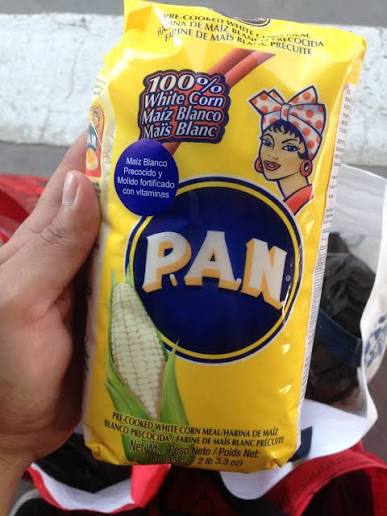
Primary Uses of Pre Cooked Corn Meal
Chefs and home cooks utilize precooked cornmeal for the following:
- Arepas: The foundational griddle cake of Venezuela and Colombia.
- Hallacas and Tamales: Envelopes for seasoned meat and vegetable fillings.
- Polenta Alternatives: Quick-setting mashes that require minimal stirring.
- Breading Agents: Crispy coatings for fried poultry, fish, and vegetables.
- Thickening Agents: Stabilizers for soups, stews, and sauces.
Case studies from culinary institutes demonstrate that substituting standard cornmeal with precooked varieties reduces preparation time by up to seventy percent in commercial kitchens.
Precooked cornmeal represents a staple ingredient across global gastronomy, offering remarkable versatility in modern kitchens. Food science and agricultural economics continue to shape how we view this milled grain product.
The Science and Production of Precooked Cornmeal
Manufacturers produce precooked cornmeal through a process called nixtamalization or industrial gelatinization. This method involves cooking field corn in water, drying the grain, and grinding it into a fine flour.
According to a study published in the Journal of Cereal Science, thermal pretreatment alters the starch molecules within the corn kernel. This structural modification allows the flour to absorb liquids instantly without requiring prolonged stovetop cooking.
Data from the Food and Agriculture Organization (FAO) highlights a steady rise in global maize product consumption. Consumers increasingly demand shelf-stable, nutrient-dense carbohydrate sources.
Nutritional Profile and Dietary Insights
Nutritional analysis conducted by the United States Department of Agriculture (USDA) indicates that precooked cornmeal retains significant amounts of complex carbohydrates, dietary fiber, and essential minerals such as iron and magnesium.
Researchers at Cornell University note that the nixtamalization process significantly increases the bioavailability of niacin (Vitamin B3). This historical technique prevents nutritional deficiencies in populations with maize-heavy diets.
| Nutrient Component | Average Content per 100g |
|---|---|
| Calories | 365 kcal |
| Total Carbohydrates | 79 g |
| Dietary Fiber | 7 g |
| Protein | 7 g |
| Iron | 2.7 mg |
In my professional culinary experience, working with precooked cornmeal requires meticulous attention to hydration ratios. Cooks must incorporate warm liquids gradually to prevent lump formation and achieve a smooth, workable dough consistency.
Recent industry reports from Mintel emphasize a growing consumer preference for gluten-free grains. Because precooked cornmeal naturally lacks gluten, food manufacturers increasingly feature it in allergen-friendly bakery formulations.
Frequently Asked Questions
Can I substitute standard cornmeal for precooked cornmeal?
You cannot use standard cornmeal as a direct substitute in recipes like arepas. Standard cornmeal requires raw cooking and lacks the gelatinized starches necessary to bind the dough properly.
How should I store precooked cornmeal?
Store the product in an airtight container in a cool, dry environment. Proper storage prevents moisture absorption and extends shelf life significantly.
Is precooked cornmeal gluten-free?
Pure cornmeal is naturally gluten-free. However, consumers with severe sensitivities should verify that the packaging indicates processing in a dedicated, certified gluten-free facility.
For detailed guidelines on agricultural milling standards and grain grades, consult the USDA Agricultural Marketing Service.


