


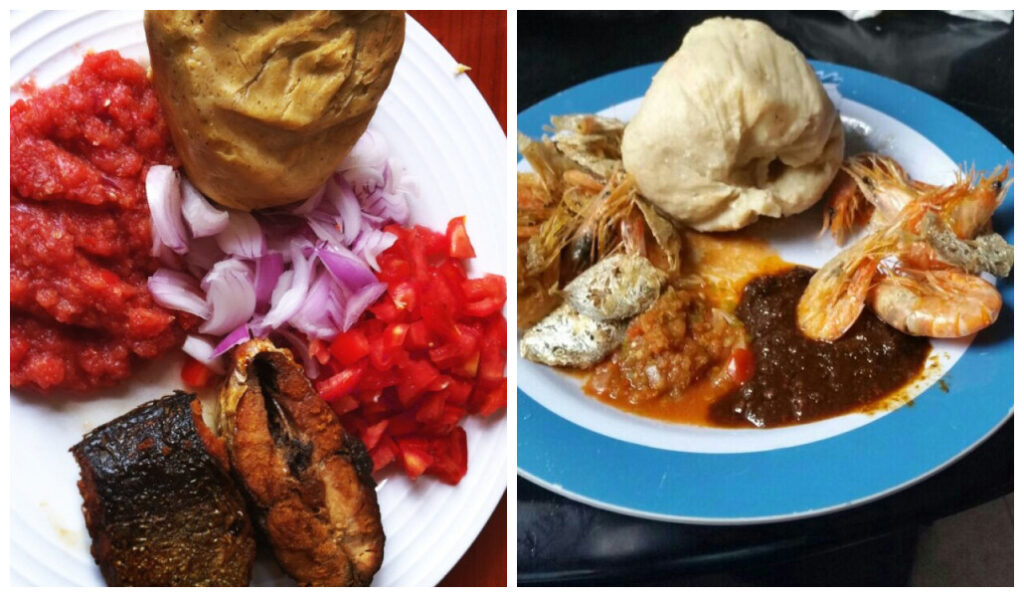
What are the two types of kenkey in Ghana?
The two varieties are Fanti kenkey and the Ga kenkey. Both are made from corn but vary in cooking methods.
Table below summarizes the differences
| Feature | Ga Kenkey (Kominu) | Fante Kenkey (Dokome) |
|---|---|---|
| Origin / Association | Ga people of coastal Greater Accra | Fante people of the Central and Western regions |
| Wrapper | Dried corn husks (Ahe / Kpe) | Plantain leaves (Amankayi) |
| Texture | Firm, dense, and slightly more acidic | Softer, smoother, and milder |
| Color | Pale to light grey | Deep brown or caramel |
| Common Pairing | Shito, fried fish, and hot pepper sauce | Fried fish, octopus, and fresh pepper sauce |
The geography, ethnicity, cooking methods and notional profile of Kenkey
Makers craft both varieties using fermented white corn dough. However, differences in wrapping materials, fermentation periods, and boiling methods create two unique culinary experiences.
Ga Kenkey: The Bold Staple of the Capital
Ga kenkey originates from the Ga coastal communities around Accra. Producers ferment the maize dough for a longer duration—often up to four days. This extended fermentation fosters a sharp, pleasantly sour flavor profile.
Makers partially cook the dough before balling it and wrapping it tightly in dried corn husks. Cooks then steam the parcels for hours.
When unwrapping Ga kenkey, the robust aroma fills the air. Many locals enjoy it warm alongside black pepper sauce (shito) and fried fish.
A culinary enthusiast once shared a memorable experience trying the dish at a bustling Accra seaside market: “Breaking into the steaming corn husk revealed a dense, fragrant dumpling that paired perfectly with the smoky, fiery heat of freshly ground pepper and crispy red fish.”
Ghanaian cuisine offers a rich tapestry of flavors, textures, and traditions. Among its most iconic dishes stands kenkey, a fermented maize sourdough dumpling. This staple holds a prominent place in West African gastronomy.
Understanding this dish requires exploring its two primary regional varieties. Each type reflects distinct ethnic heritages, preparation techniques, and flavor profiles.


Fante Kenkey: The Smooth Delicacy of the Coast
Fante kenkey hails from the coastal communities of the Central and Western regions. The preparation process differs notably from its Ga counterpart.
Makers wrap the fermented dough in plantain leaves rather than corn husks. Plantain leaves impart a distinct, subtle earthy sweetness and a deep caramel hue to the dumpling during the boiling process.
The scientific community recognizes the unique chemical transformation occurring here. Research published by the Ghana Academy of Nutrition and Dietetics highlights how plantain leaves release natural polyphenols during boiling. These compounds influence both the coloration and antioxidant content of the finished food item.

Nutritional Value and Fermentation Science
Nutritional studies conducted by researchers at the University of Ghana emphasize the health benefits of the fermentation process. Fermenting maize breaks down anti-nutrients like phytic acid. This breakdown improves mineral bioavailability, particularly for iron and zinc.
Furthermore, lactic acid bacteria dominate the fermentation microbiome. These beneficial microbes act as natural preservatives and support gut health.
According to a recent report by the Ghana Ministry of Food and Agriculture, processed maize products constitute over 25 percent of daily caloric intake in urban coastal households. This statistic underscores the vital role kenkey plays in national food security.
Industry Forecasts and Cultural Tourism
Market analysts forecast a steady 4.2 percent annual growth in demand for packaged, export-ready traditional Ghanaian foods over the next decade. The diaspora community drives much of this international interest.
Food tourism also expands steadily. Data from the Ghana Tourism Authority indicates that culinary heritage tours rank among the top three motivators for international visitors exploring coastal regions.
Frequently Asked Questions
What is kenkey made of?
Makers produce kenkey entirely from fermented white maize meal, water, and salt.
Why does Ga kenkey taste sour?
The sour flavor results from a prolonged natural lactic acid fermentation process that lasts between three to five days.
Can kenkey be stored for long periods?
Yes. Due to the natural acidity developed during fermentation, wrapped kenkey maintains its quality for several days at room temperature and even longer when refrigerated.
Which kenkey is firmer?
Ga kenkey is generally denser and firmer than Fante kenkey, which features a softer consistency and milder taste.


