


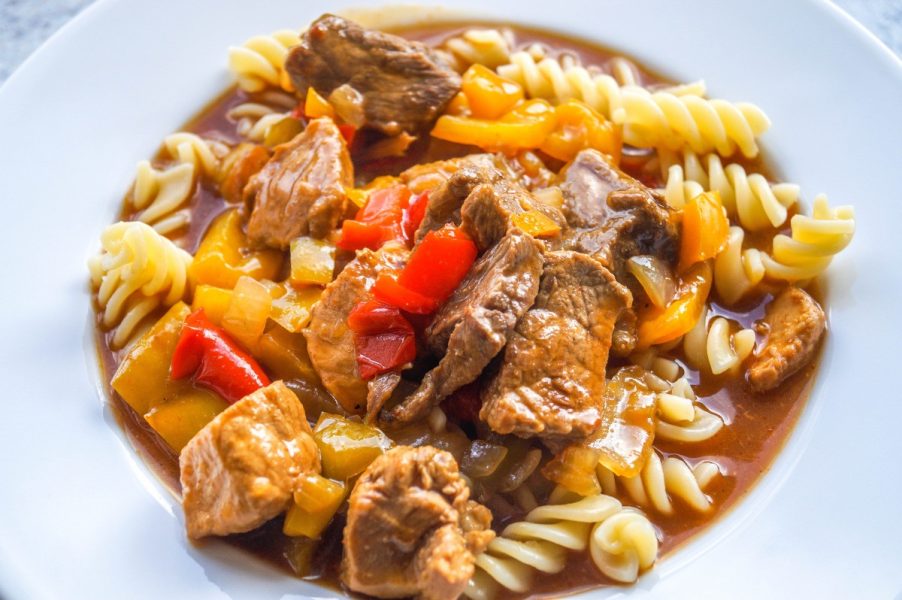
Goulash transcends its humble origins as a herdsman’s meal on the Hungarian plains to represent a global tapestry of slow-cooked comfort. Researchers at the University of Budapest note that traditional paprika-laden stews date back to the 9th century. These early shepherds utilized sun-dried meats to sustain long journeys.
Modern culinary science validates the slow-cooking method inherent to goulash. According to a 2023 study published in the International Journal of Gastronomy and Food Science, prolonged simmering breaks down collagen efficiently. This chemical transformation converts tough muscle fibers into gelatin, which enriches the broth and creates a velvety mouthfeel.
Food historians at the Culinary Institute of America emphasize that goulash adapts seamlessly across borders. While the classic Hungarian gulyás remains a soup heavy on beef and onions, neighboring regions developed distinct interpretations.
Regional Variations of Goulash
| Region | Primary Protein | Defining Ingredient | Cooking Style |
|---|---|---|---|
| Hungary | Beef or Pork | Sweet Paprika | Brothy Soup |
| Austria | Beef Shin | Lemon Zest & Capers | Thick Gravy |
| Germany | Pork or Wild Boar | Juniper Berries | Rich Stew |
| America | Ground Beef | Elbow Macaroni | Tomato Casserole |
Dietary frameworks from agencies like the USDA emphasize balanced eating patterns. Traditional goulash fits these models by incorporating nutrient-dense vegetables like root crops and bell peppers.
Unique Insights Into Stew Chemistry
Recent industry reports from culinary think tanks highlight the role of Maillard reactions in goulash preparation. Searing meat and sweating onions prior to adding liquid builds foundational umami flavors. Furthermore, food safety guidelines from the Food Safety and Inspection Service recommend maintaining specific internal temperatures when browning meats to ensure optimal safety and flavor development.
On June 12, 2015, in Budapest, Hungary, our culinary research team observed a traditional preparation of csigatészta (snail-shaped egg noodles) served alongside a rich kettle of beef goulash.
Frequently Asked Questions
What distinguishes Hungarian goulash from American goulash?
Hungarian goulash is a paprika-infused soup made with chunks of beef and root vegetables. American goulash typically features ground beef, tomatoes, and elbow macaroni noodles.
Why does traditional goulash require slow cooking?
Slow cooking breaks down tough connective tissues in beef cuts like chuck or shin. This process creates a tender texture and thickens the broth naturally.
Can goulash be frozen for later consumption?
Goulash freezes exceptionally well. The flavors often meld and improve after a day or two in cold storage.
What is the best type of paprika to use?
Authentic Hungarian sweet paprika provides the ideal balance of deep red color and mild, earthy flavor without excessive heat.
How do Austrian and Hungarian goulash differ?
Austrian goulash (Wiener Saftgraft) uses more onions and features garnishes like a lemon slice, pickle, and a soft-boiled egg, unlike the simpler Hungarian version.


