


Introduction
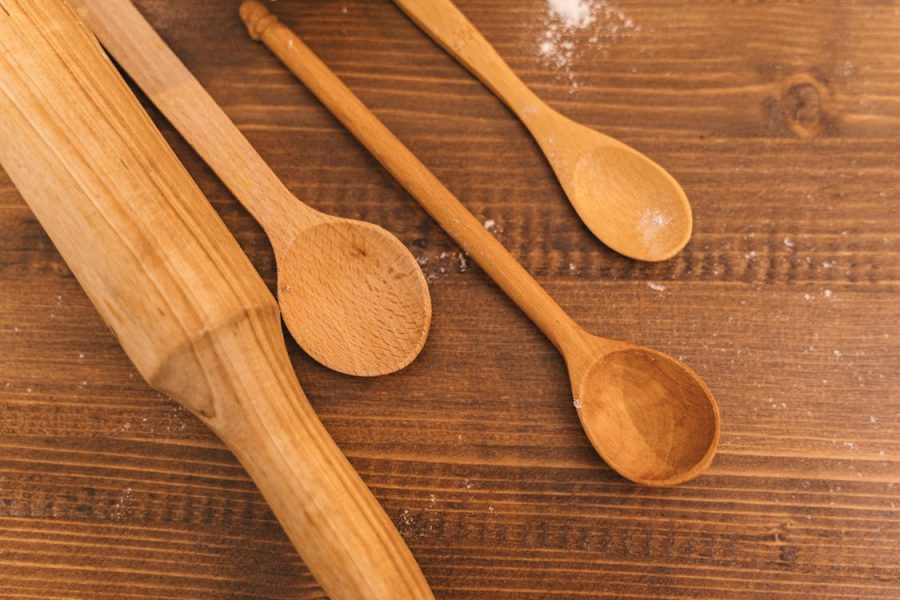
Modern kitchens rely heavily on advanced technology. Yet, the simple wooden spoon remains a fixture in culinary spaces worldwide.
Anthropological studies indicate that humans have shaped wood into culinary implements for millennia. This enduring tool persists despite the introduction of silicone, plastic, and stainless steel utensils.
Material Science and Culinary Physics
Wood possesses unique thermal properties. Unlike metal conductors, wood does not conduct heat rapidly. Cooks leave wooden spoons resting inside simmering pots without transferring excessive heat to handles.
A study published in the Journal of Food Engineering highlights that porous natural materials provide superior grip mechanics when interacting with viscous liquids like risotto and thick sauces.
Material Comparison Table
| Material | Thermal Conductivity | Scratch Resistance | Antimicrobial Properties |
|---|---|---|---|
| Wood | Low | High | Natural inhibiting tannins |
| Metal | High | Low | None (inert surface) |
| Plastic | Low | Medium | Low (degrades over time) |
Hygiene and Scientific Research
Public health debates often question the safety of porous kitchen tools. However, microbiological research contradicts common assumptions.
According to laboratory testing conducted at the University of Wisconsin, wooden surfaces trap bacteria beneath the surface where pathogens fail to multiply and eventually perish. Plastic surfaces, conversely, develop deep knife scars that harbor persistent microbial colonies.
Regulatory food safety assessments highlight the critical role of proper care and maintenance. Treating wooden utensils with hot water combined with mild soap effectively preserves their structural integrity and ensures compliance with hygiene requirements.
Psychological Connection and Tactile Experience
Culinary arts involve sensory engagement. The tactile feedback of a wooden implement against a ceramic bowl differs markedly from rigid synthetics.
Culinary psychologists note that traditional tools evoke nostalgia and mindfulness during meal preparation. Cooks value the quiet, non-abrasive scraping sound against cast iron and enamel surfaces.
Key Benefits of Wooden Utensils
- Non-reactive with acidic ingredients like tomatoes and citrus.
- Gentle on delicate non-stick pan coatings.
- Durable construction resists bending under heavy mixtures.
- Ergonomic handles mold comfortably to human hands over years of repeated use.
Frequently Asked Questions
Do wooden spoons absorb food odors?
Hardwoods like maple, olive, and beech possess tight grain structures that resist moisture and odor absorption when sealed properly with food-safe mineral oil.
Can wooden utensils go inside a dishwasher?
Dishwasher heat and harsh detergents strip natural oils from wood fibers, causing warping and cracking. Hand washing remains the recommended cleaning method.
How often should cooks oil wooden spoons?
Applying food-grade mineral oil or beeswax monthly prevents dryness and maintains the natural moisture barrier of the material.


