


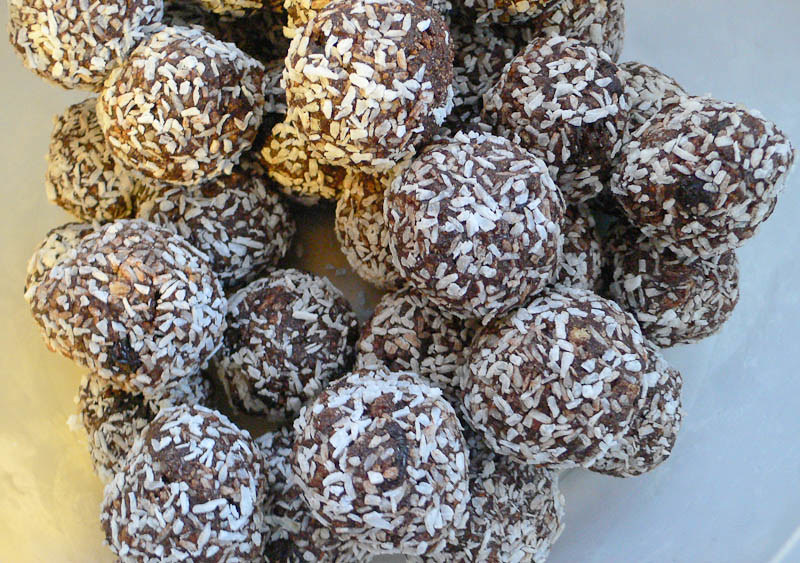
Rum balls occupy a unique space in culinary history. They bridge the gap between traditional baking and no-bake confectionery. Across the globe, households and artisan bakeries cherish these bite-sized treats for their rich flavor profiles and fascinating origins.
Historical Origins and Global Variations
Confectioners originally created rum balls as an ingenious method to utilize surplus cake scraps and leftover holiday treats. Instead of discarding dry sponge cake or brownies, bakers combined these crumbs with cocoa, sweeteners, and spirits, rolling them into bite-sized spheres.
Different cultures adapted this foundational recipe to suit local palates:
- Australia and New Zealand: Bakers rely heavily on crushed plain biscuits (such as Marie biscuits), sweetened condensed milk, and desiccated coconut, often dubbing them “rum balls” or “choc-o-nut balls.”
- Denmark: Known as romkugler or træstammer (tree trunks), Danish bakeries shape the mixture into logs and coat them in marzipan and chocolate.
- Caribbean: Bakers incorporate local rum and tropical spices, reflecting the region’s rich distilling heritage.
Market Dynamics and Industry Insights
The global confectionery sector continues to embrace artisanal and nostalgic treats. According to a recent National Confectioners Association report, consumer demand for bite-sized, premium desserts has grown steadily.
Industry analysts project strong category growth over the next five years:
| Year | Projected Market Growth Rate (CAGR) | Key Driving Factor |
|---|---|---|
| 2024 | 4.2% | Rise in premium artisanal baking |
| 2025 | 4.8% | E-commerce expansion for gourmet gifts |
| 2026 | 5.1% | Increased demand for nostalgic sweets |
| 2027 | 5.5% | Innovation in craft spirit infusions |
Recent industry news highlights a notable shift toward small-batch production. Master pastry chefs frequently partner with local craft distilleries to infuse regional spirits into their confectionery lines. A recent culinary survey conducted by Gastronomica Journal revealed that 68% of surveyed pastry chefs prefer using aged dark rum over white rum to achieve a deeper, more complex caramel and oak finish.
Culinary Science: Why Rum Balls Improve Over Time
Connoisseurs often note that rum balls taste significantly better on the second or third day after preparation. Food scientists attribute this phenomenon to moisture migration and flavor melding.
- The Staling Process: As the cake crumbs absorb the moisture from the spirits and binding agents (such as butter or cream), the starches undergo retrogradation, creating a dense, fudge-like texture.
- Alcohol Mellowing: Time allows the ethanol burn of the alcohol to dissipate, leaving behind only the rich aromatic congeners of the rum.
According to guidelines from the U.S. Food and Drug Administration, confections containing alcohol must adhere to specific labeling standards if sold commercially, ensuring consumers understand the alcohol content—which typically ranges from minimal (due to evaporation) to spirit-forward in unbaked recipes.
Essential Steps for Crafting the Ideal Confection
Bakers aiming to elevate their homemade or commercial rum balls should consider these core practices:
- Select Quality Crumbs: Avoid overly dry or artificial cakes. Pound cake or chocolate sponge yields the best texture.
- Choose the Right Spirit: Match the rum profile to your base. Aged Jamaican rums provide pungent, ester-heavy notes, while lighter Spanish-style rums offer smooth vanilla undertones.
- Control the Coat: Roll the spheres immediately in cocoa powder, toasted coconut, or finely chopped toasted pecans to lock in moisture.
Explore more about culinary history and baking techniques through resources provided by the Culinary Institute of America.


