


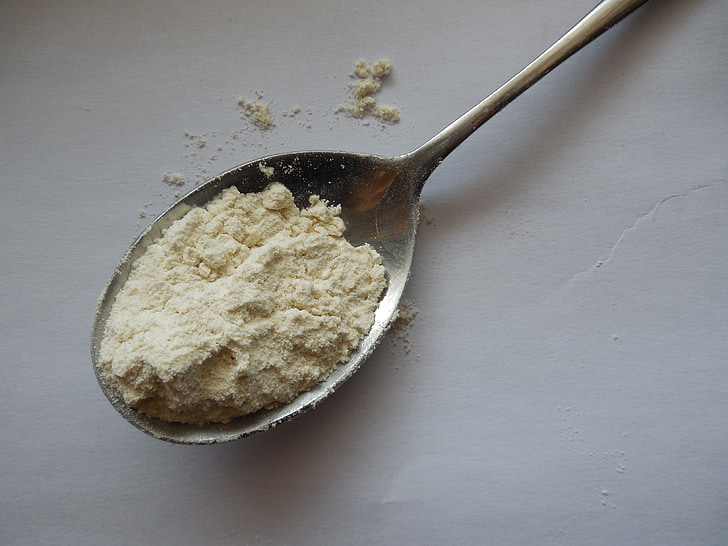
In professional kitchens, precision drives culinary excellence. Mastering the fundamental chemical leavening agents — baking soda and baking powder — proves essential for achieving consistent texture, rise, and flavor in baked goods. While often conflated, these two powerful ingredients possess distinct chemical properties and applications. Understanding their precise roles empowers chefs and bakers to formulate recipes with confidence and achieve superior results.
Sodium Bicarbonate
Baking soda, chemically known as sodium bicarbonate (NaHCO₃), stands as a pure alkaline compound. It does not produce significant leavening. It requires an acidic ingredient to initiate a chemical reaction. When moisture activates it and an acid, it rapidly produces carbon dioxide (CO₂) gas. This gas produces bubbles inside the dough, causing it to leaven.
Professional bakers strategically incorporate baking soda into recipes containing naturally acidic components. Common acidic ingredients include buttermilk, yogurt, sour cream, lemon juice, vinegar, molasses, brown sugar, honey, and natural cocoa powder (not Dutch-processed). Because its reaction occurs swiftly upon contact with liquid and acid, bakers must promptly transfer items containing baking soda to the oven to capture maximum leavening power. Using it soda without sufficient acid, or in excessive amounts, often imparts an unappealing metallic or soapy aftertaste and can result in a coarse texture.


A Complete Leavening System
Unlike baking soda, baking powder functions as a complete leavening system. It comprises a combination of sodium bicarbonate, one or more dry acids (such as cream of tartar or sodium aluminum sulfate), and a starch (cornstarch) which acts as a buffer against premature reaction and as a filler. The starch also helps prevent caking.


Most commercially available baking powders are “double-acting.” This term signifies two distinct stages of leavening:
First Reaction: Moisture initiates the initial release of carbon dioxide gas when combining the baking powder with wet ingredients at room temperature.
Second Reaction: Heat from the oven triggers a second, more powerful release of carbon dioxide, providing an additional lift during baking.
Baking powder proves ideal for recipes lacking sufficient acidic ingredients to activate it soda, or for batters requiring a more gradual rise. Its double-acting nature offers a safety net, ensuring reliable leavening even if a batter sits for a short period before preparing pastriex for the oven.
Key Distinctions for Professional Application
Understanding the core differences between these leavening agents translates directly into superior recipe development and execution:
Acid Requirement: Baking soda demands an acidic component for activation. It powder contains its own acid.
Reaction Speed: Soda reacts almost instantly upon contact with liquid and acid, necessitating immediacy. Double-acting powder offers a two-stage release of CO₂, providing a more sustained and reliable rise.
Flavor Impact: Proper use contributes to browning and a unique flavor profile often desired in things like chocolate chip cookies (when combined with brown sugar/molasses). Overuse or insufficient acid causes an undesirable alkaline flavor.
Best Use Cases: Professional chefs employ for recipes with distinct acidic ingredients, aiming for a chewier texture and open crumb. They choose it for lighter, airier products like cakes, muffins, or biscuits, especially when the recipe does not contain significant acid.
Finally a word of care
Substituting baking soda for baking powder, or vice versa, proves challenging and often detrimental to the final product. Such substitutions drastically alter the pH balance of a recipe, affecting not only leavening but also flavor, color, and texture. Professionals prioritize precision ingredients, understanding their unique chemical roles, to consistently deliver exceptional baked goods. Mastering these distinctions elevates it from an art to a precise science, ensuring consistent quality and culinary success.


