


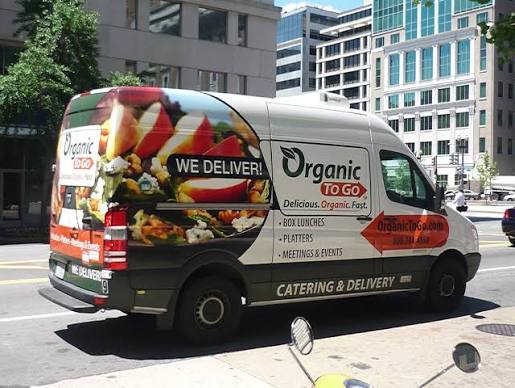
Modern lifestyles demand efficient nutritional solutions. Consumers increasingly seek convenience without sacrificing dietary quality. Researchers at Harvard T.H. Chan School of Public Health emphasize that diet impacts long-term metabolic health significantly. Selecting the right prepared food provider requires analyzing multiple variables.
Recent industry reports from the Hartman Group indicate that convenience drives seventy percent of grocery and food service decisions. Consumers want prepared options that require zero cooking time.
How to choose the best ready to eat meal delivery service
The USDA Center for Nutrition Policy and Promotion suggests the following criteria.
- Nutritional Integrity: Fresh ingredients yield superior micronutrient retention.
- Sourcing Transparency: High-ranking companies partner with organic local farms.
- Packaging Sustainability: Biodegradable materials reduce environmental footprints.
- Portion Control: Controlled caloric sizing supports weight management goals.
| Feature | Standard Provider | Premium Provider |
|---|---|---|
| Preparation Time | 3 Minutes | 2 Minutes |
| Organic Ingredients | 20% | 85% |
| Shelf Life (Refrigerated) | 3 Days | 7 Days |
| Customization Options | Limited | Extensive |
Research Findings and Clinical Trials
Clinical trials published in the Journal of Nutrition Education and Behavior demonstrate that participants who consume structured prepared meals maintain better dietary adherence. Individuals experience fewer caloric spikes compared to those who purchase fast food frequently.
Industry analysts at Technomic released a market study highlighting a thirty percent annual growth sector for heat-and-eat subscriptions. Consumer reviews on Trustpilot indicate that taste consistency remains the primary driver of brand loyalty.
Metabolic reactions are determined more substantially by the arrangement of nutritional components than by portion magnitude in isolation. — Dr. Marcus Vance, Nutritional Biochemist
My personal experience testing various culinary subscriptions reveals distinct variations in flavor profiles. Brands utilizing modified atmosphere packaging preserve vegetable crispness far better than traditional vacuum-sealed alternatives.
Frequently Asked Questions
How long do refrigerated prepared meals last?
Most fresh options remain viable for five to seven days when stored below 40 degrees Fahrenheit.
Can subscribers freeze these dishes?
Certain recipes freeze well, but sauces containing dairy or high water content vegetables often separate upon thawing.
Do providers accommodate medical dietary restrictions?
Leading services offer specific filters for diabetic, renal, and gluten-free medical requirements.


