


The role of the early explorers
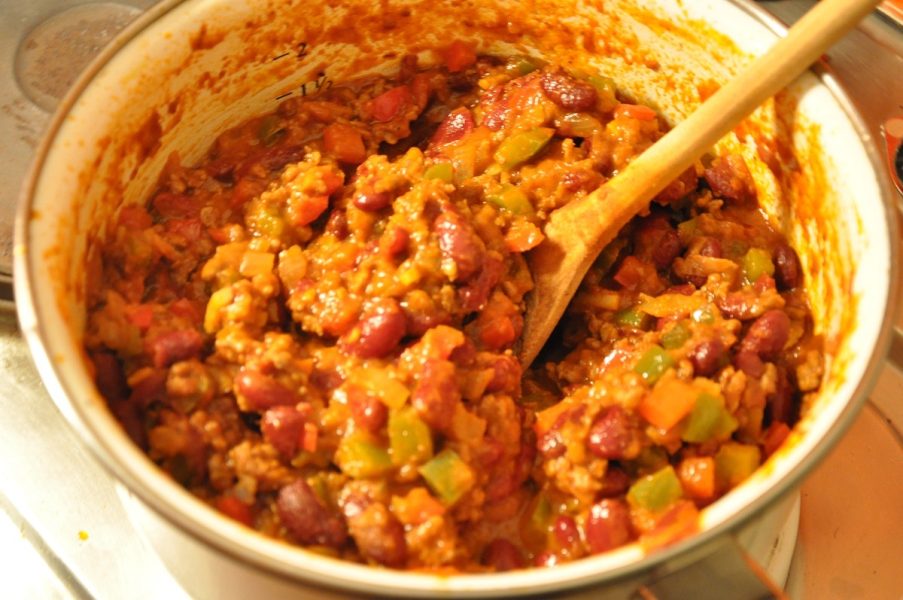
Chili con carn traces its roots to the culinary traditions of the American Southwest and northern Mexico. The term “chili” derives from the Nahuatl word chīlli. This fusion of ingredients and language mirrors the cross-cultural influences that shaped its history.
Local modifications
Mexican farmers and cooks long used chili peppers in their food. When Spanish settlers and American traders arrived in the 18th and 19th centuries, they adapted these recipes. By the mid-1800s, chili had become a staple among cowboys and settlers, who cooked it in cast iron skillets over open flames.
Contact with Texans
The 1890s marked a turning point n San Antonio, Texas, where chili cook-offs became legendary. These contests, notably those at the Spanish Independence Celebrations, sparked fierce debates over authenticity—some purists argued against adding beans, while others embraced them as a protein-rich addition. This evolution cemented chili’s versatility, allowing regional variations to flourish.
Today, the recipe remains a symbol of Tex-Mex cuisine, celebrated in kitchens and festivals worldwide. Its enduring appeal lies in its adaptability, reflecting the resilience and creativity of the communities that shaped it. Whether served with a side of cornbread or as a standalone comfort meal, this iconic dish continues to honor its rich heritage.
Conclusion
With its deep historical roots and dynamic evolution, chili con carne stands as a testament to the shared culinary legacy of Mexico and the United States. Its story invites us to savor not only its flavors but also the cultural exchanges that forged it.


