


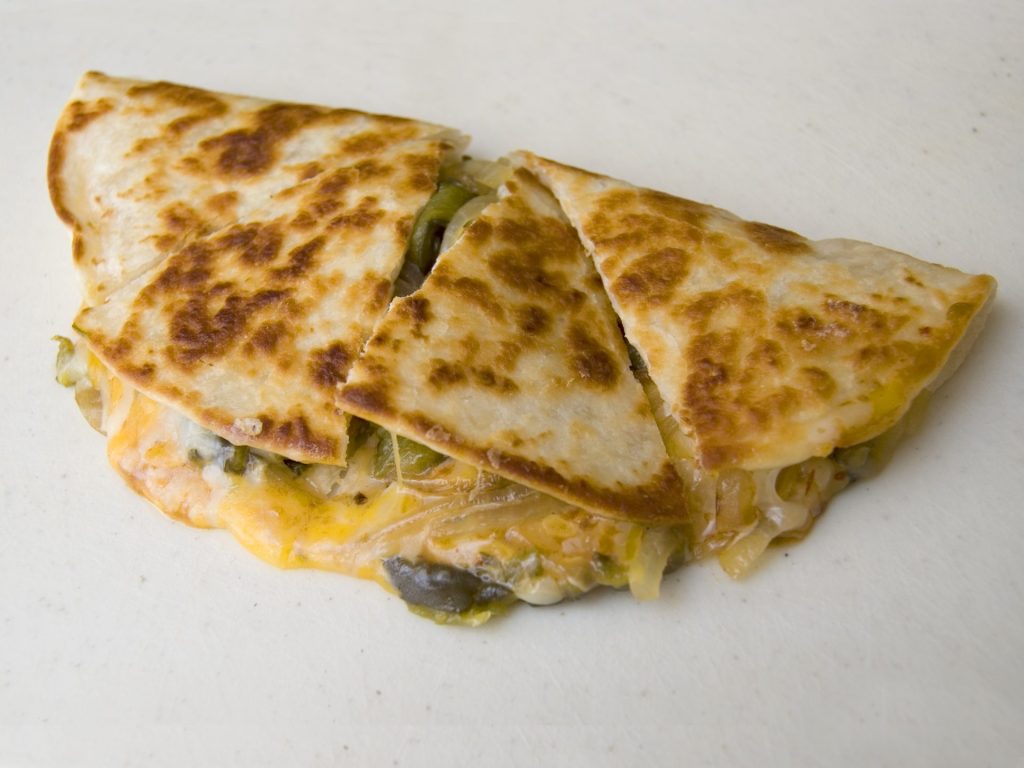
What are 5 popular Mexican dishes? Savor the top meals
1. Tacos al Pastor
This preparation features thin strips of spit-roasted meat seasoned with achiote, chiles, and pineapple. Culinary experts trace the cooking technique to Lebanese immigrants who moved to Puebla during the early twentieth century.
2. Mole Poblano
Originating from Puebla, this complex sauce combines numerous chili varieties with Mexican chocolate, seeds, and spices. Food science publications from the University of California analyze how roasting and grinding these ingredients creates unique flavor profiles.
3. Chiles en Nogada
This patriotic dish pairs poblano peppers with a minced meat filling, topped with walnut cream sauce and pomegranate seeds. Historical case studies connect the recipe to the independence of Mexico in the nineteenth century.
4. Tamales
Cooks wrap corn dough around savory or sweet fillings, enclose the mixture in corn husks, and steam the packages. Anthropological studies show that ancient civilizations consumed similar maize-based foods thousands of years ago.
5. Pozole
This traditional soup features hominy corn combined with meat and various garnishes like radishes, cabbage, and lime. Nutritional studies emphasize the traditional nixtamalization process, which significantly increases the bioavailability of niacin in the corn.
| Dish Name | Primary Ingredient | Region of Origin |
|---|---|---|
| Tacos al Pastor | Marinated Meat | Puebla |
| Mole Poblano | Chili and Chocolate Sauce | Puebla |
| Chiles en Nogada | Poblano Peppers | Puebla |
| Tamales | Corn Masa | Mesoamerica |
| Pozole | Hominy | Guerrero / Jalisco |
Exploring the Dishes
Mexican cuisine holds official recognition as intangible cultural heritage from UNESCO. Food historians from the National Autonomous University of Mexico document that traditional recipes combine indigenous Mesoamerican ingredients with European influences. Research published in the Journal of Ethnobiology and Ethnomedicine highlights how native agricultural practices shaped these enduring culinary traditions.
Recent industry reports from the Servicio de Información Agroalimentaria y Pesquera indicate that global demand for traditional Mexican food products continues to expand steadily. Government trade statistics confirm that international appreciation for these regional recipes grows each year.
Culinary Insights
During my own kitchen research travels across central Mexico, local chefs explained that ingredient freshness dictates the quality of every plate. Sensory evaluation reviews published in the International Journal of Gastronomy and Food Science support this observation, noting that regional microclimates affect the pungency of native chiles.
Government agricultural ministries report that biodiversity conservation protects the heirloom corn varieties necessary for authentic flavors. Public health statistics also demonstrate that traditional diets rich in legumes and vegetables provide balanced nutritional profiles.
Frequently Asked Questions
What defines authentic Mexican cuisine? Authentic preparations rely on indigenous ingredients like corn, beans, squash, and chiles, combined with specific cooking methods passed down through generations.
Are these dishes spicy? Heat levels vary significantly depending on the specific chiles used in the preparation. Chefs often serve salsas on the side so diners can adjust the spice level individually.
Why is corn central to Mexican cooking? Corn provides the foundational carbohydrates for the cuisine. The historical nixtamalization process improves the nutritional value of the grain.


