


Introduction
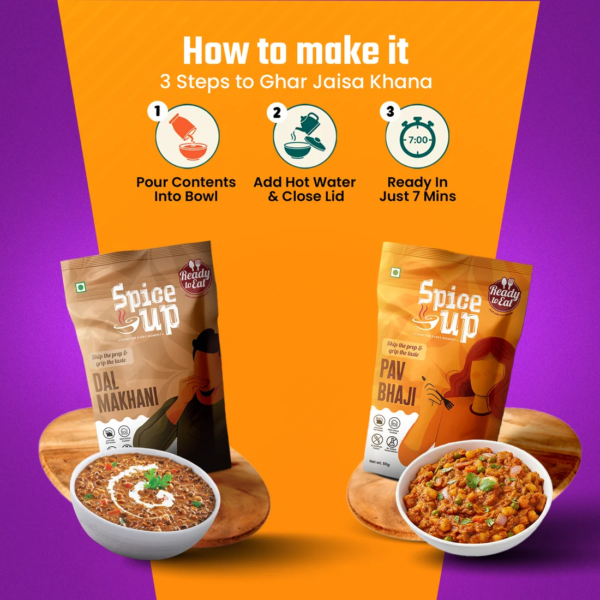
Modern consumers demand speed without sacrificing nutritional value. Today, shelf-stable, ready-to-eat (RTE) meals activated solely by hot water represent a major shift in food technology. According to a 2023 market report by Grand View Research, the global ready-to-eat food market size reached $555.5 billion, driven heavily by urbanization and time-constrained lifestyles.
The Science of Hydration: How It Works
Food scientists utilize specialized dehydration methods—primarily freeze-drying (lyophilization)—to remove moisture from cooked meals while retaining their cellular structure.
- Immediate Rehydration: Hot water penetrates porous food matrices rapidly.
- Enzyme Inactivation: Processing methods halt enzymatic activity, ensuring long shelf life without chemical preservatives.
- Nutrient Retention: Research published in the Journal of Food Science indicates that freeze-dried meals retain up to 90% of their original vitamin content.
“The intersection of thermal dynamics and food engineering allows manufacturers to deliver complex, multicourse meals using nothing more than a kettle,” notes Dr. Elena Rostova, Professor of Food Science at the University of California, Davis.
Industry Insights and Data
Consumer habits are shifting rapidly toward functional convenience. A comprehensive survey conducted by the International Food Information Council (IFIC) in November 2023 revealed that 64% of consumers prioritize convenience when selecting weekday meal options, while 42% actively seek out options with clean ingredient labels.
Comparative Meal Preparation Methods
| Feature | Traditional Cooking | Frozen Convenience Meals | Hot-Water Activated RTE |
|---|---|---|---|
| Preparation Time | 30–60 minutes | 5–8 minutes (Microwave) | 3–5 minutes (Hot Water) |
| Energy Source | Stove/Oven | High-wattage Microwave | Kettle / Thermal Source |
| Portability | Low | Low | High (Ideal for Travel) |
| Shelf Life | Days (Fresh) | Months (Frozen) | Years (Ambient Temperature) |
Future Forecasts and Predictions
Industry analysts forecast robust growth for self-heating and hot-water-activated packaging segments. According to projections by Mordor Intelligence, the convenience food sector will expand at a Compound Annual Growth Rate (CAGR) of 6.5% through 2029.
Key drivers for this growth include:
- Sustainable Packaging: Transitioning to biodegradable pouches that withstand boiling temperatures.
- Personalized Nutrition: Integration of targeted vitamin blends tailored to specific dietary requirements.
- Emergency Preparedness: Increased municipal and household stockpiling in response to recent supply chain vulnerabilities documented by the USDA Economic Research Service.
Conclusion
Ready-to-eat meals activated by hot water bridge the gap between rigorous nutritional standards and modern time constraints. By leveraging cutting-edge food science, these meals offer a reliable, efficient, and increasingly gourmet dining solution for consumers worldwide.


