


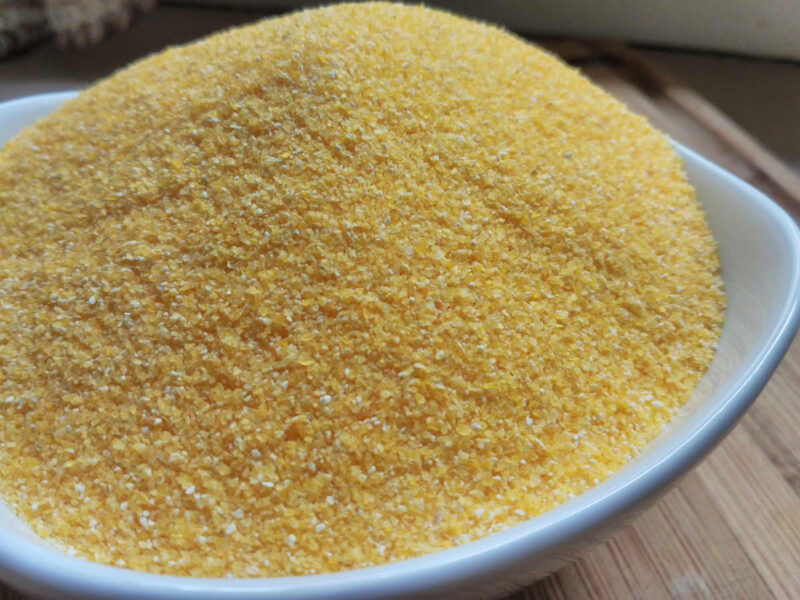
Corn remains one of the most versatile and culturally significant crops globally. Whether you enjoy it fresh off the cob, popped, or milled into flour, understanding the biochemical profile of this staple is essential for modern meal planning. Below, we examine the precise corn nutritional value per 100g, supported by federal agricultural databases and academic research.
Nutritional Profile of Sweet Corn (Per 100g, Raw)
According to the USDA FoodData Central repository, raw sweet yellow corn delivers a nutrient-dense profile that balances macronutrients effectively.
| Nutrient Component | Quantity per 100g |
|---|---|
| Calories | 86 kcal |
| Total Carbohydrates | 18.7 g |
| Dietary Fiber | 2.0 g |
| Sugars (Natural) | 6.26 g |
| Protein | 3.27 g |
| Total Fat | 1.35 g |
| Water | 76.06 g |
Key Macronutrient Takeaways
- Complex Carbohydrates: The primary energy source in corn consists of starches, which digest at a moderate pace, providing sustained energy.
- Plant-Based Protein: While not a complete protein source on its own, 100g of corn contributes over 3 grams of protein toward your daily intake.
- Minimal Fat: Naturally low in total fat, raw corn contains heart-healthy polyunsaturated and monounsaturated fatty acids.
Vitamins and Minerals: What the Data Shows
The U.S. Food and Drug Administration (FDA) regulates nutritional labeling to help consumers make informed choices. Corn contributes several key micronutrients essential for physiological function:
- Vitamin C: Supports immune health and acts as an antioxidant.
- B Vitamins (particularly Thiamin/B1 and Folate/B9): Crucial for cellular energy production and nervous system support.
- Potassium: Assists in maintaining normal fluid balance and muscle contraction.
Unique Insight: The Power of Lutein and Zeaxanthin
Agronomy researchers at major land-grant universities note that yellow corn contains high concentrations of carotenoids, specifically lutein and zeaxanthin. Clinical reviews published in nutritional ophthalmology journals indicate that these compounds accumulate in the retina, filtering high-energy blue light and protecting ocular tissues from oxidative stress.
Aligning Corn Consumption with Dietary Guidelines
Federal health frameworks emphasize whole grains and starchy vegetables as components of a balanced plate.
- The Dietary Guidelines for Americans classify sweet corn as a starchy vegetable, recommending that individuals incorporate a variety of vegetables—dark green, red and orange, starchy, and other—into their weekly routines.
- MyPlate.gov, an initiative managed by the Center for Nutrition Policy and Promotion, encourages consumers to fill one-quarter of their plate with grains and another quarter with vegetables, positioning corn as a versatile bridge between these two essential food groups.
- Public health portals like Nutrition.gov provide further educational tools to help consumers track their daily fiber and micronutrient intake.
Forecasts and Dietary Predictions
Agricultural economists and food scientists project a rising consumer demand for nutrient-dense, heritage, and biofortified corn varieties over the next decade. As consumer preference shifts toward functional foods—foods that offer health benefits beyond basic nutrition—plant breeders are actively developing corn cultivars with enhanced antioxidant profiles.
Furthermore, regulatory bodies like the Food Safety and Inspection Service (FSIS) continue to monitor processing standards to ensure that commercially available corn products maintain their structural and nutritional integrity from farm to table.
Practical Application in the Kitchen
In my own culinary experience working with whole foods, I find that steaming fresh corn for precisely four to five minutes preserves both its crisp texture and its water-soluble B vitamins, preventing nutrient leaching. Pair corn with legumes—such as black beans—to create a complete amino acid profile, turning a simple side dish into a nutritionally complete plant-based meal.
*To explore more federal dietary recommendations and verify nutritional datasets, visit official resources provided by the USDA and the Food and Nutrition Service (FNS).*


