


Introduction
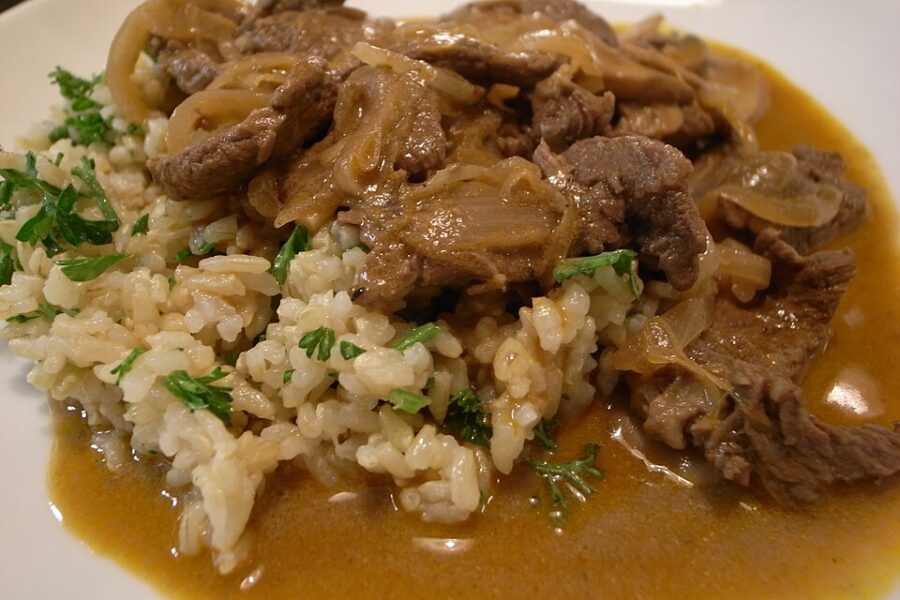
A classic beef stroganoff delivers comforting richness in every bite. When you repurpose leftover steak, you preserve flavor while reducing waste. This page guides you through an elevated, time‑efficient version that respects the dish’s Russian heritage and meets the expectations of a discerning home cook.
Why Choose Leftover Steak?
- Maximum flavor retention – Cooked steak already carries a caramelized crust and developed juices. Adding it at the final stage prevents overcooking and keeps the meat tender.
- Time savings – You eliminate the step of searing raw beef, allowing you to focus on building a silky sauce.
- Sustainability – Repurposing leftovers reduces food waste and aligns with responsible kitchen practices.
Essential Ingredients
Ingredient Quantity (serves 4)
Sliced leftover steak 12 oz
Wide egg noodles 12 oz
Unsalted butter 3 Tbsp
Olive oil 1 Tbsp
Small onion, finely diced 1
Garlic cloves, minced 2
Cremini mushrooms, sliced 8 oz
Beef broth (low‑sodium) 1 cup
Dijon mustard 1 Tbsp
Smoked paprika ½ tsp
Sour cream ¾ cup
Fresh parsley, chopped 2 Tbsp
Salt and freshly ground black pepper to taste
Step‑by‑Step Preparation
Prepare the noodles – Commence by bringing a large pot of salted water to a rolling boil. Add the noodles and cook them until they are al dente, following the timing outlined on the package. Drain the noodles, rinse them briefly with warm water, and then set them aside.Sauté aromatics – Heat butter and olive oil in a heavy skillet over medium‑high heat. Add the diced onion; stir until it turns translucent, about two minutes. Incorporate the minced garlic; cook for 30 seconds, taking care not to burn it.
Brown the mushrooms – Add the sliced mushrooms to the skillet. Toss continuously until they release moisture and develop a golden hue, roughly four minutes.
Build the sauce – Pour the beef broth into the pan. Stir in Dijon mustard and smoked paprika. Allow the mixture to simmer, reducing the volume by one‑third, which intensifies flavor.
Incorporate the steak – Reduce heat to low. Add the sliced leftover steak, stirring gently to coat each piece with the sauce. Heat the meat for only two to three minutes; this step warms the steak without compromising tenderness.
Finish by incorporating sour cream – Take the skillet away from the heat. Blend in sour cream until the sauce develops a silky, velvety texture. Season with salt and pepper, and modify the mustard or paprika if you wish for a stronger taste.
Combine and serve – Toss the cooked noodles with the stroganoff mixture, ensuring every strand receives a generous coating. Sprinkle chopped parsley across the plate for a fresh, aromatic finish.
Presentation & Pairings
Present the stroganoff in shallow, preheated bowls to maintain warmth.
Accompany the meal with a fresh green salad drizzled with a light vinaigrette, and provide a glass of medium-bodied red wine, like a Pinot Noir, to enhance the creamy sauce.
Nutritional Highlights
- Protein‑rich – The leftover steak supplies high‑quality protein, supporting muscle maintenance.
- Calcium boost – Sour cream contributes calcium, which promotes bone health.
- Balanced carbohydrates – Egg noodles deliver complex carbs for sustained energy.
Frequently Asked Questions
Can I use a different cut of leftover beef?
Yes. Choose a cut that retains tenderness after cooling, such as ribeye or sirloin. Avoid overly lean pieces that may dry out during reheating.
What if I prefer a lighter sauce?
Replace half of the sour cream with low‑fat Greek yogurt. The yogurt maintains creaminess while reducing saturated fat.
Can I freeze leftovers?
Store the stroganoff without the noodles in airtight containers. Freeze for up to three months. Thaw in the refrigerator, reheat gently, and add freshly cooked noodles before serving.
Conclusion
By integrating leftover steak into a traditional beef stroganoff, you create a dish that honors culinary heritage, maximizes flavor, and respects modern kitchen efficiency. Follow the steps above to deliver a restaurant‑quality experience that satisfies both palate and conscience. Explore more recipes that transform leftovers into gourmet meals in our Culinary Innovation section.


